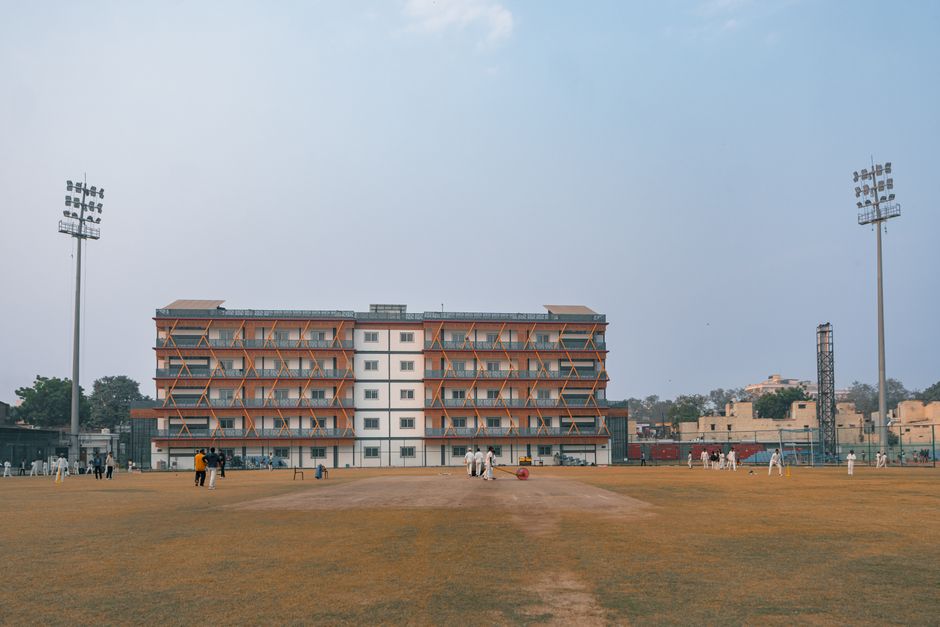
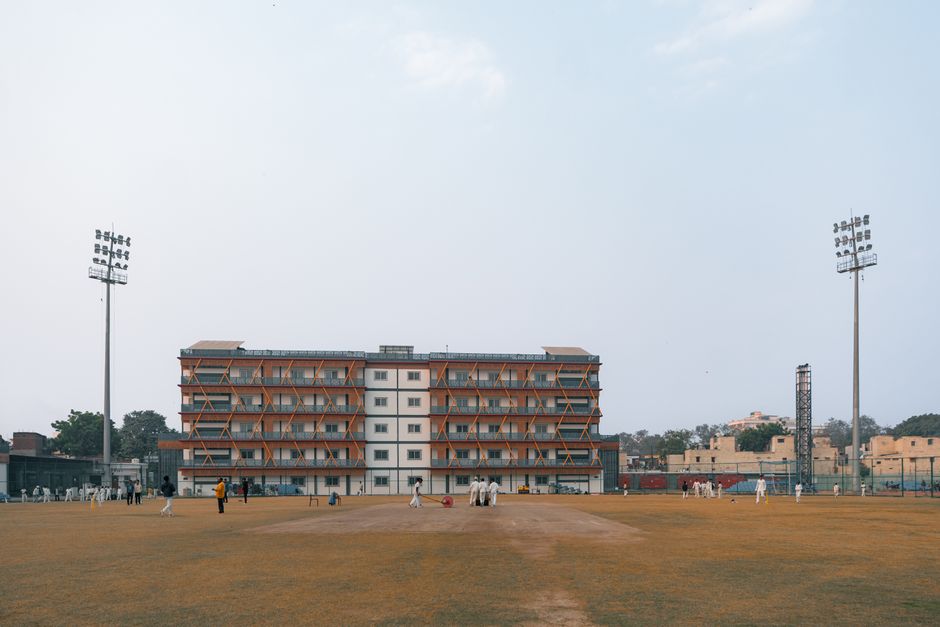
The Delhi cricket fraternity is abuzz with anticipation as both the capital's Indian Premier League franchises accelerate their push for modernised stadium infrastructure. With the 2026 IPL season approaching its crescendo, stakeholders are increasingly vocal about elevating Delhi's sporting venues to match the ambitions of their championship-winning squads.
At the heart of this movement lies Arun Jaitley Stadium in New Delhi, traditionally the home of Delhi's cricket operations. The 41,000-capacity venue, situated near the India Gate, remains iconic but aging. Recent discussions among franchise officials and Delhi Cricket Association representatives have centred on upgrading changing room facilities, installing advanced drainage systems to handle monsoon disruptions, and expanding premium seating categories—a move that could generate additional revenue streams while competing with newer venues across India.
One franchise has been particularly vocal about exploring alternative venues. Discussions with authorities have touched upon potential partnerships with the Jawaharlal Nehru Stadium complex in New Delhi, though such moves remain contingent on infrastructure improvements and regulatory clearances. The economics are compelling: premium tickets at Delhi venues typically range between ₹2,000 and ₹15,000, yet operational constraints limit match frequency to a handful per season.
The urgency reflects broader competition among IPL franchises. Cities like Jaipur, Lucknow, and Ahmedabad have invested heavily in new or refurbished grounds over recent years, attracting major sponsorships and larger broadcasting revenues. Delhi, despite its status as India's capital and a cricket stronghold, risks falling behind if infrastructure remains stagnant.
Local sports analysts note that enhanced facilities would benefit more than just franchise operations. Grassroots cricket development programmes, domestic tournaments, and women's cricket initiatives all depend on modern training infrastructure. The Greater Noida Sports Complex and facilities across South Delhi have become increasingly important secondary venues, yet centralised, world-class infrastructure remains elusive.
Delhi's business community has shown interest. Real estate developers and hospitality groups see potential in stadium-adjacent commercial zones. Plans being floated include retail complexes, dining establishments, and sports museums that could transform match-day experiences and generate year-round revenue.
What remains uncertain is timeline and funding. While the Board of Control for Cricket in India has provided some support to existing venues, state-level investment in sporting infrastructure has been inconsistent. Sports ministry officials have suggested potential public-private partnership models, though bureaucratic timelines could delay implementation.
For Delhi's passionate cricket fans—and the city's aspirations as a global sporting hub—the coming months will prove crucial. Whether the capital's franchises secure the world-class venues they're demanding may well determine their competitive trajectory in the coming decade.
This article was compiled by AI from the sources linked above and screened before publishing. See our editorial standards.