Five years ago, Delhi's endurance sports scene operated on the margins of city infrastructure. Runners dodged traffic on Lodhi Road, cyclists navigated potholed streets in Noida, and triathletes trained in makeshift pools. Today, that picture is shifting dramatically as purpose-built facilities, renovated venues, and dedicated tracks emerge across the National Capital Region.
The transformation is most visible along the Yamuna riverfront, where the Delhi Tourism and Transportation Development Corporation has invested ₹180 crores in a dedicated 40-kilometre running and cycling corridor stretching from Okhla to Wazirabad. The paved, flood-resistant path—completed in phases through 2024—has become the spine of Delhi's endurance ecosystem. On weekends, over 8,000 runners and cyclists use the route daily, according to municipal records.
Beyond the Yamuna, private facilities are closing gaps. The Delhi Cycling Club in Karol Bagh, operational since 1923, now operates a 250-metre indoor velodrome renovated in 2023 at a cost of ₹5.2 crores. Meanwhile, three dedicated triathlon training centres have opened in Sector 35 Faridabad, just outside Delhi's borders, each with 50-metre pools, cycling tracks, and strength facilities. Monthly memberships range from ₹4,500 to ₹12,000.
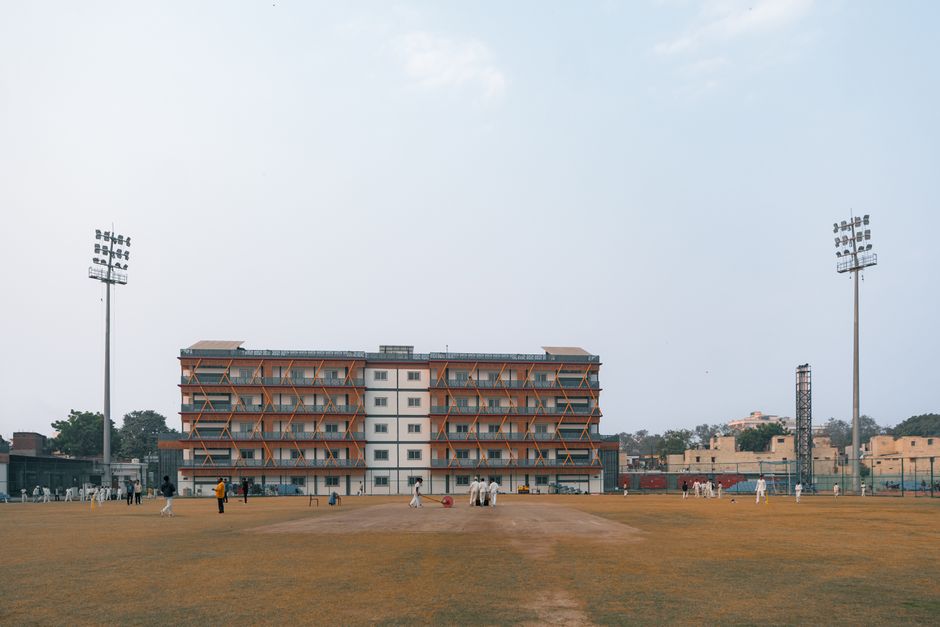
Municipal authorities have also upgraded traditional sports complexes. The Talkatora Stadium in New Delhi, historically a cricket and athletics venue, now hosts structured running groups and time trials. The Delhi Sports Authority operates eight state-of-the-art training tracks across the city, with Jawaharlal Nehru Stadium's 400-metre track becoming a hub for interval training and half-marathon prep work.
However, gaps remain. South Delhi neighbourhoods like Vasant Kunj and Greater Kailash still rely on congested market roads for outdoor running. The Aravalli Biodiversity Park in Sector 54, Gurgaon, offers trail running, but infrastructure for mountain biking lags behind other Indian metros. Pool availability remains Delhi's bottleneck—the city has only 14 public and semi-public Olympic-standard pools, creating six-month waiting lists at facilities like Siri Fort Sports Complex.
Sports administrators acknowledge that demand is outpacing supply. The Delhi Half Marathon, first held in 2012, now attracts 45,000 participants annually. The Delhi Triathlon Series saw 1,200 entries last year, up 40 per cent from 2024. Cycling clubs have proliferated, with 34 registered groups across Delhi NCR compared to just eight in 2018.
Investment announcements suggest momentum will continue. The Delhi Development Authority has approved a ₹120-crore sports complex in Rohini with a 400-metre track, aquatic centre, and cycling velodrome, expected to open by early 2027. Until then, Delhi's growing tribe of runners, cyclists, and triathletes will continue pushing infrastructure to its limits—and beyond.
This article was compiled by AI from the sources linked above and screened before publishing. See our editorial standards.