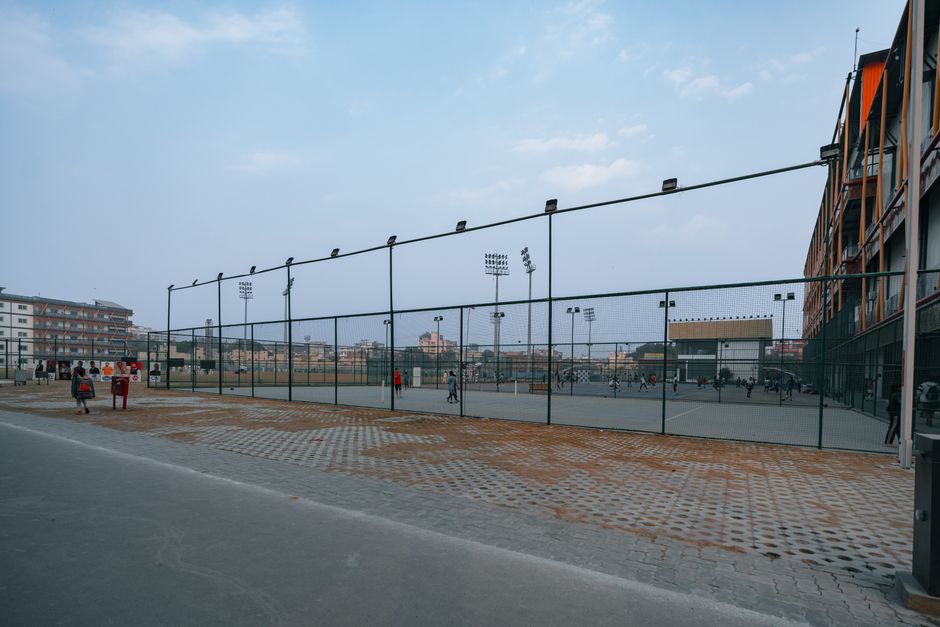
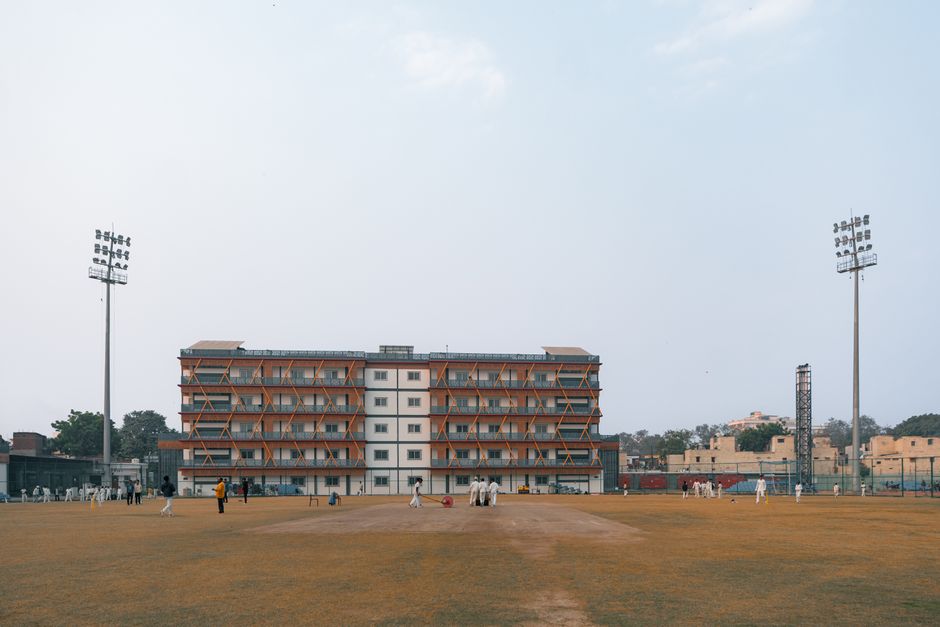
On any evening around 6 p.m., the grounds adjacent to the Ridge Forest near Kasturba Nagar echo with the sounds of whistles and cheering—a scene replicated across Delhi's neighbourhoods as local football clubs experience unprecedented growth. What began as informal kickabouts in parks has evolved into organised, thriving community institutions that are reshaping how residents, particularly youth, engage with sport and each other.
The Delhi Football Association's latest membership audit, released earlier this year, shows registered grassroots clubs have grown by 34 per cent since 2023. South Delhi's Narmada Football Club, based near Safdarjung, now boasts 180 active members ranging from eight-year-olds to veterans in their fifties. Club secretary data reveals that annual membership fees—typically between ₹2,000 to ₹3,500—remain affordable even as clubs invest in better facilities, coaching, and tournament participation.
What distinguishes today's clubs from earlier iterations is their deliberate community integration. The Yamuna Vihar Athletic Association, situated in East Delhi's densely populated neighbourhood, runs three weekly coaching sessions specifically for girls aged 10-16, with participation jumping from 12 in 2024 to 67 this year. Several clubs now partner with local corporates and NGOs to subsidise fees for economically disadvantaged children, ensuring sport isn't gatekept by income.
"We've become neighbourhood meeting points," explains one Rohini-based club organiser. "Parents know their children are safe, learning discipline, and building friendships across religious and socioeconomic lines." This social fabric extends beyond pitch boundaries—several clubs organise community cleanups, coaching clinics for municipal schools, and inter-neighbourhood tournaments that draw supporters in unprecedented numbers.
Infrastructure improvements have been crucial. Five clubs across Delhi now lease better-maintained grounds through partnerships with municipal authorities. The Greater Kailash Football Club invested in portable floodlights three years ago, enabling evening sessions that attract working-age adults seeking fitness outlets. Monthly maintenance costs hover around ₹8,000-₹12,000, shared among members.
Tournament participation tells another story. Local clubs qualified 23 teams for Delhi's district-level championships this year, up from 14 in 2024. Grassroots success has also trickled upward—two players from neighbourhood clubs earned slots in Delhi's state under-17 squad, offering tangible pathways for talented youth.
As urban Delhi grapples with familiar tensions of congestion and isolation, these football clubs demonstrate how organised community sport can build resilience, equity, and belonging. They're not merely training grounds for athletes; they're becoming the connective tissue of neighbourhoods themselves.
This article was compiled by AI from the sources linked above and screened before publishing. See our editorial standards.