Delhi's fitness landscape has undergone a seismic transformation over the past five years, with the city now boasting over 2,500 registered gyms and training facilities—a 40 per cent increase since 2021. This infrastructure explosion reflects a broader cultural shift among Delhi's young professionals and middle-class residents, who increasingly view structured fitness as essential to urban living.
The phenomenon is most visible in affluent neighbourhoods like Cyber City in Gurgaon's extension, where premium chains such as Gold's Gym, Cult.Fit, and Fittr have established flagship facilities equipped with Olympic-standard equipment, swimming pools, and nutritionist-led programmes. Membership fees range from ₹2,500 to ₹8,000 monthly, catering to Delhi's expanding corporate demographic. However, the story extends far beyond air-conditioned comfort.
South Delhi's Hauz Khas and Greater Kailash neighbourhoods have emerged as unexpected hubs for specialised athletic training. Boxing academies in these areas—including facilities near the Delhi Gymkhana Club—now serve over 500 amateur fighters monthly, many targeting competitive amateur circuits. Similarly, CrossFit boxes have multiplied from just three in 2019 to nearly 40 locations across Delhi NCR, with concentrated clusters in Indiranagar, Defence Colony, and Dwarka.
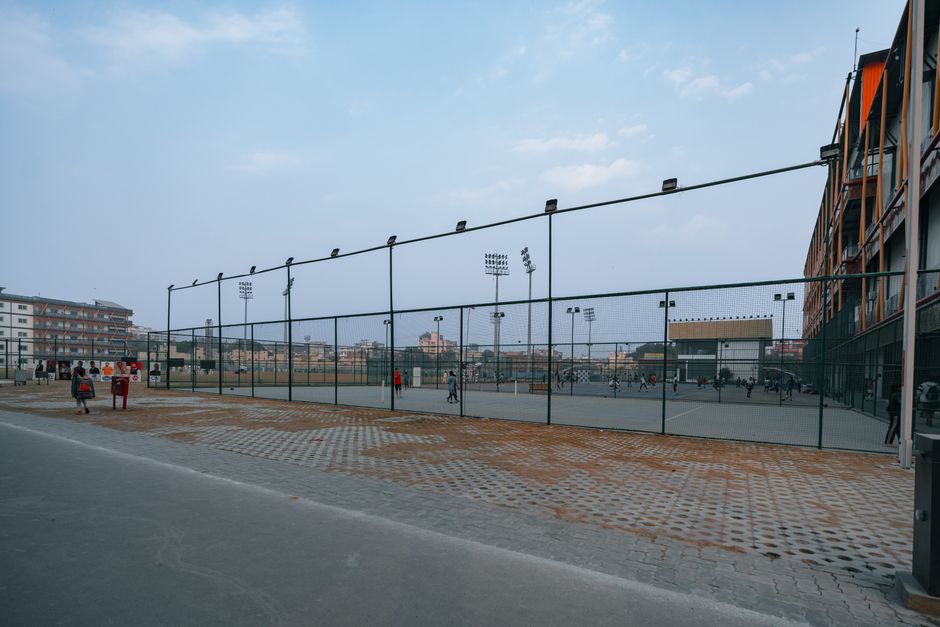
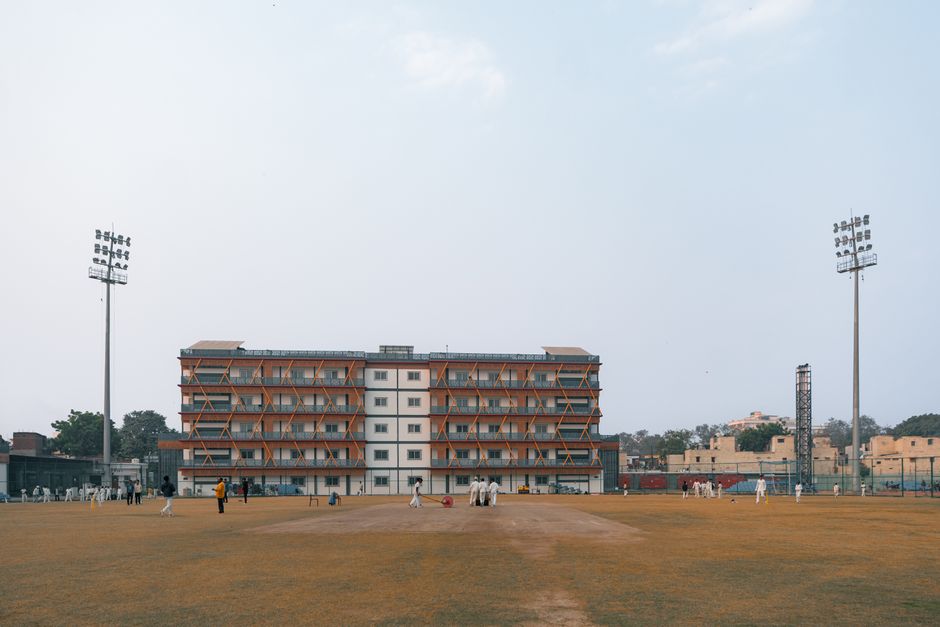
Public sector infrastructure, traditionally underfunded, is also experiencing a quiet renaissance. The Delhi Sports Authority's training centres at Talkatora Stadium and the Thyagraj Sports Complex have undergone modernisation, offering subsidised memberships at ₹500–1,000 monthly. These facilities now attract serious athletes alongside casual fitness enthusiasts, creating a rare mixing ground across economic divides.
Neighbourhood-level infrastructure tells perhaps the most telling story. Parks across South and North Delhi—particularly in Lodi Garden's periphery and Aravalli Biodiversity Park—have seen organised outdoor fitness communities flourish, with yoga, calisthenics, and running groups meeting daily. Free public amenities, though basic, continue to serve populations unable to afford commercial memberships.
Yet challenges persist. Unregulated smaller gyms—estimated at over 60 per cent of the market—lack proper certification or trained staff, raising safety concerns. Water quality and sanitation standards remain inconsistent across mid-tier facilities. The infrastructure boom also risks deepening fitness inequality, with premium facilities clustered in wealthy zones while peripheral areas like Dwarka and Rohini lag significantly behind.
Still, as Delhi continues its rapid urbanisation, the sheer proliferation of gyms, studios, and training venues suggests that fitness infrastructure—once a luxury—is becoming woven into the city's urban fabric. Whether this democratisation will eventually reach all economic strata remains the capital's pressing sporting question.
This article was compiled by AI from the sources linked above and screened before publishing. See our editorial standards.