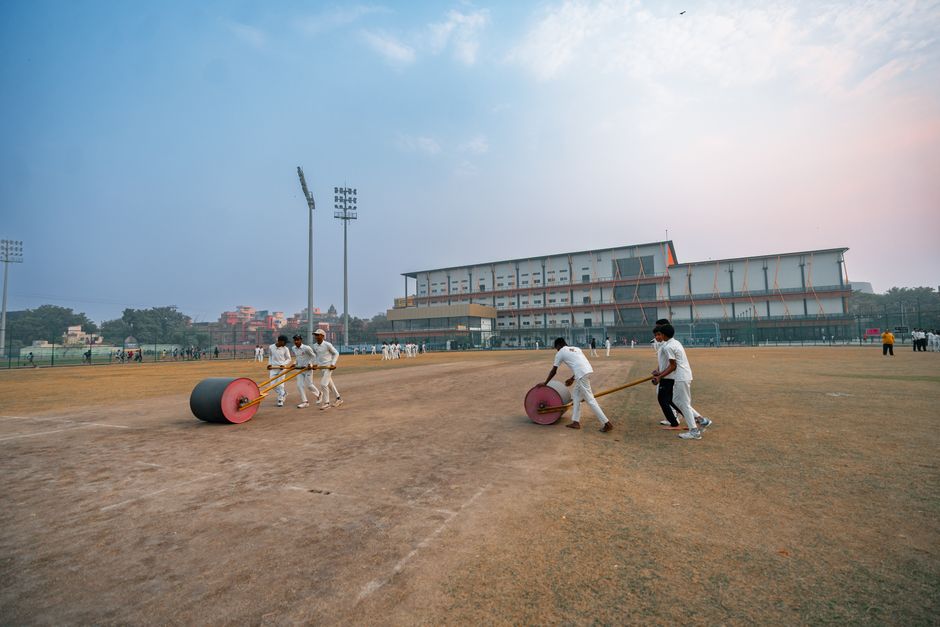
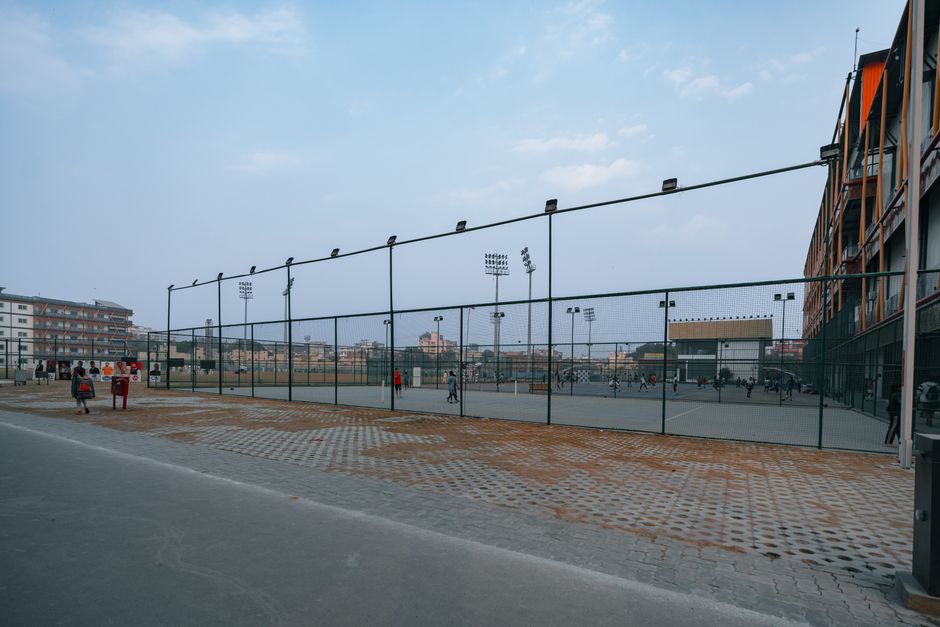
On a Thursday evening in Shahdara, a cluster of teenagers pound the asphalt court behind a shuttered factory on GT Road, their sneakers worn through at the heel. This is Shahdara Youth Athletic Club, one of over 200 grassroots organisations now operating across Delhi's residential pockets—a quiet revolution reshaping how the city develops its sporting talent.
The movement began almost by accident. When Rohini's municipal ground fell into disrepair five years ago, local residents simply started coaching neighbourhood kids in badminton and kabaddi using salvaged nets and borrowed equipment. Today, that informal gathering has structured into a registered club with 340 active members, generating ₹2.5 lakh annually through nominal membership fees (₹300-500 monthly) to fund coaching, nutrition, and competition entry fees.
"We're not waiting for the government," says Jagdish Sharma, who coordinates youth initiatives across seven clubs in East Delhi. "These are parents, teachers, retired athletes—people who understand that talent here is endless but opportunity isn't."
The numbers validate this grassroots push. According to a Delhi Sports Authority survey, approximately 15,000 youth now train through community clubs—nearly double the figure from 2023. Crucially, 62% come from households earning under ₹50,000 monthly, a demographic traditionally locked out of Delhi's paid academies, which charge ₹8,000-15,000 monthly.
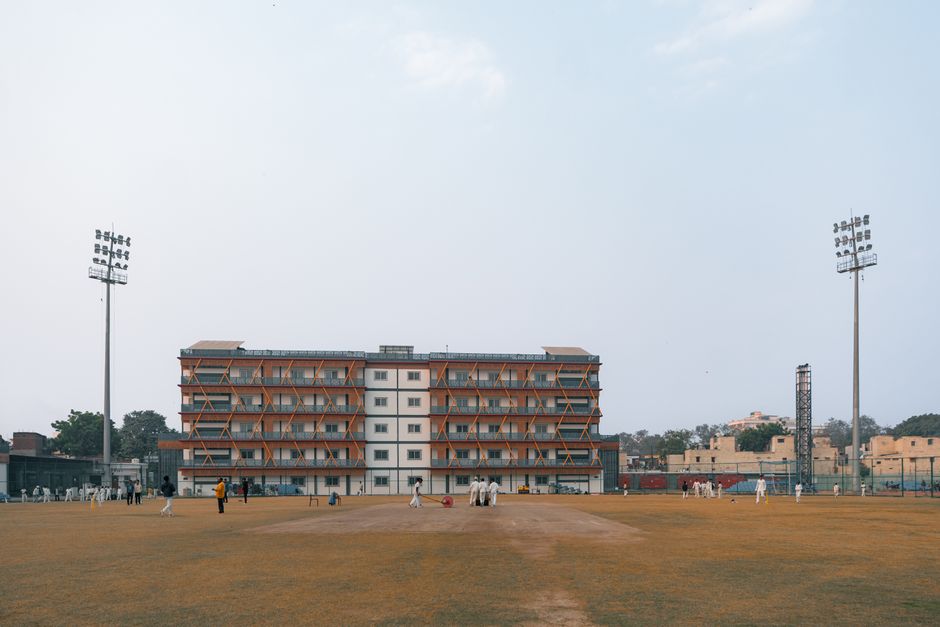
The model thrives on borrowed infrastructure. Clubs operate from government school grounds (negotiated through trust relationships), public parks in Malviya Nagar, Dwarka, and Uttam Nagar, and private community spaces offered free by sympathetic businesses. Coaching relies on a mixed ecosystem: certified coaches working part-time alongside former state-level athletes volunteering weekend sessions.
Yet challenges persist. Only 35% of clubs have sustainable funding mechanisms. Weather, especially during Delhi's brutal summers, forces training indoors or at irregular hours. And scaling is difficult—most operate with single-digit administrative staff, limiting outreach beyond immediate neighbourhoods.
What these clubs have engineered, however, is proof of concept. Across Rohini, Dwarka, and Shahdara, teenage athletes trained entirely through community networks have qualified for state championships. Several now represent Delhi in national junior circuits. For these young competitors—and the volunteer networks sustaining them—the grassroots movement isn't a stopgap. It's a blueprint for democratising sport in a city where talent has never been scarce, only access.
This article was compiled by AI from the sources linked above and screened before publishing. See our editorial standards.