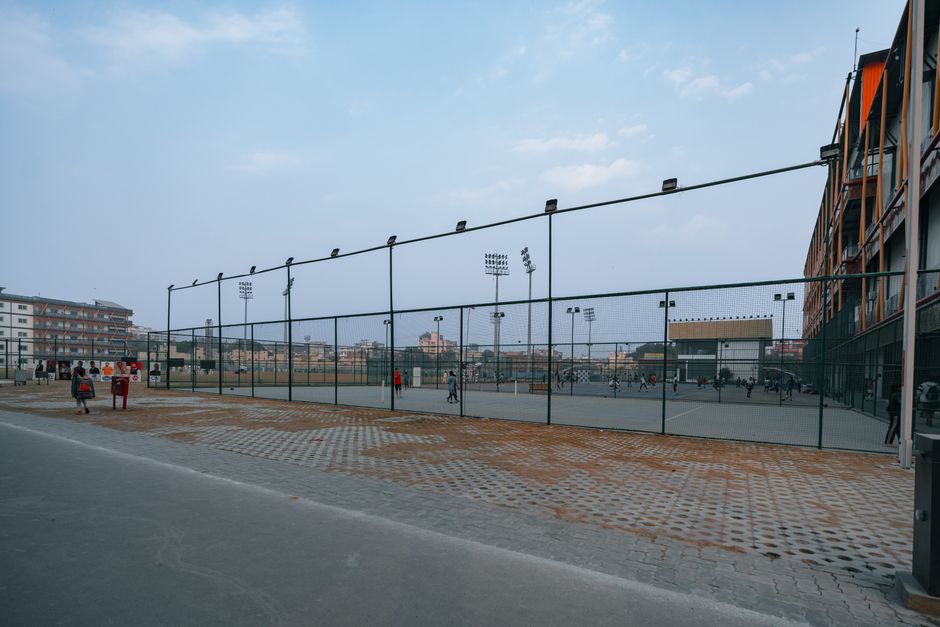
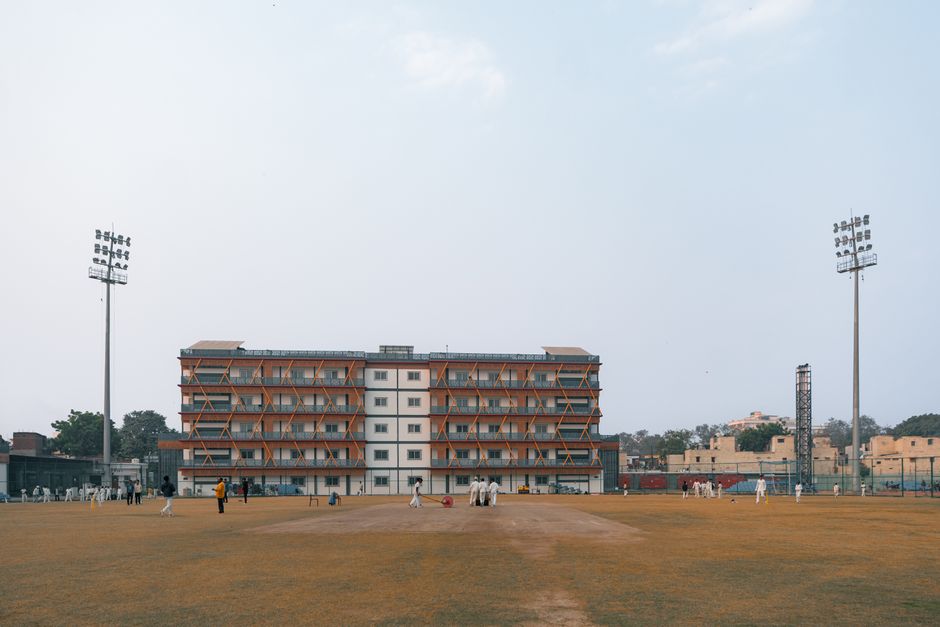
The Delhi Sports Authority grounds in east Delhi's IP Extension neighbourhood are already buzzing with activity at 6 a.m., long before the monsoon heat becomes unbearable. Across the sprawling complex, nearly two dozen youth football academies are entering what many coaches describe as the most pivotal eight weeks of their calendar: the summer finals season that will determine not just champions, but the survival prospects of several smaller grassroots clubs.
"This period makes or breaks a club," says the director of operations at one established south Delhi academy, speaking on condition of anonymity. "Tournament victories attract corporate sponsorships, media attention, and parent enrolment. Without visibility now, we lose relevance for the next cycle."
The scale of grassroots sport in Delhi is substantial. The city is home to approximately 340 registered youth sports clubs, with football, badminton, and cricket commanding the largest followings. Entry fees for most summer competitions range from ₹8,000 to ₹25,000 per team—a significant commitment for neighbourhood clubs operating on thin margins. Many depend on a handful of wealthy patrons or corporate tie-ups to sustain operations beyond the capital's elite academy circuit.
This June, the Delhi Youth Football League's finals are scheduled to conclude by mid-July across three age categories: under-14, under-16, and under-18. Simultaneously, the Delhi Badminton Association's grassroots circuit is hosting its state qualifiers—often overlooked but crucial stepping stones to national competitions. Basketball leagues in outer neighbourhoods like Rohini and Dwarka are entering their playoff phases, with local clubs like Skyline Youth Academy and Dwarka Ballers competing for limited sponsorship pipelines.
The financial stakes are real. Tournament victories often unlock government grants under Delhi's sports development schemes, which allocated ₹44 crores to grassroots initiatives last fiscal year. Visibility in these finals can mean the difference between a club securing ₹3-5 lakhs in recurring support or folding within 18 months.
Coaches acknowledge the pressure. Training schedules have intensified, with many academies operating dual shifts to accommodate 150-200 youth members each. The Vasant Kunj Sports Complex and the New Delhi Municipal Council grounds in Mehrauli have become unofficial command centres, hosting practice matches and conditioning camps through late evenings.
For Delhi's grassroots ecosystem, these final tournaments are not merely sporting events—they are economic and developmental lifelines. Success this season will reverberate through enrolment, funding, and the city's talent pipeline for years to come.
This article was compiled by AI from the sources linked above and screened before publishing. See our editorial standards.