Delhi's fitness landscape has undergone a seismic shift over the past three years. Walk down Defence Colony or through the corridors of DLF Cyber Hub in Gurgaon, and you'll spot gleaming glass-fronted gyms equipped with the latest resistance machinery, functional training zones, and recovery centres that rival international standards. This isn't coincidence—it reflects a fundamental restructuring of how Delhi's growing middle class prioritises health and wellness infrastructure.
The numbers tell a compelling story. Premium fitness chains have expanded their footprint across prime locations: South Delhi neighbourhoods like Defence Colony, Greater Kailash, and Vasant Vihar now host multiple 15,000-20,000 square-foot facilities offering everything from Olympic-grade weightlifting platforms to cryotherapy chambers. Monthly memberships at these high-end venues range from ₹6,000 to ₹15,000, reflecting both the quality of infrastructure and Delhi's purchasing power. Meanwhile, mid-tier gyms in areas like Noida and Dwarka have prolifected, offering comparable equipment at ₹3,500-₹6,000 monthly rates, democratising access beyond the capital's elite enclaves.
What sets this wave apart is specialisation. Rather than one-size-fits-all models, Delhi now boasts dedicated CrossFit boxes in Sector 7 and 18 (Gurgaon), climbing gyms in Malviya Nagar, and high-performance training academies catering to aspiring athletes across Central Delhi. The Indian Institute of Sports Management recently documented that Delhi hosts over 450 registered fitness centres, up from 280 in 2020.
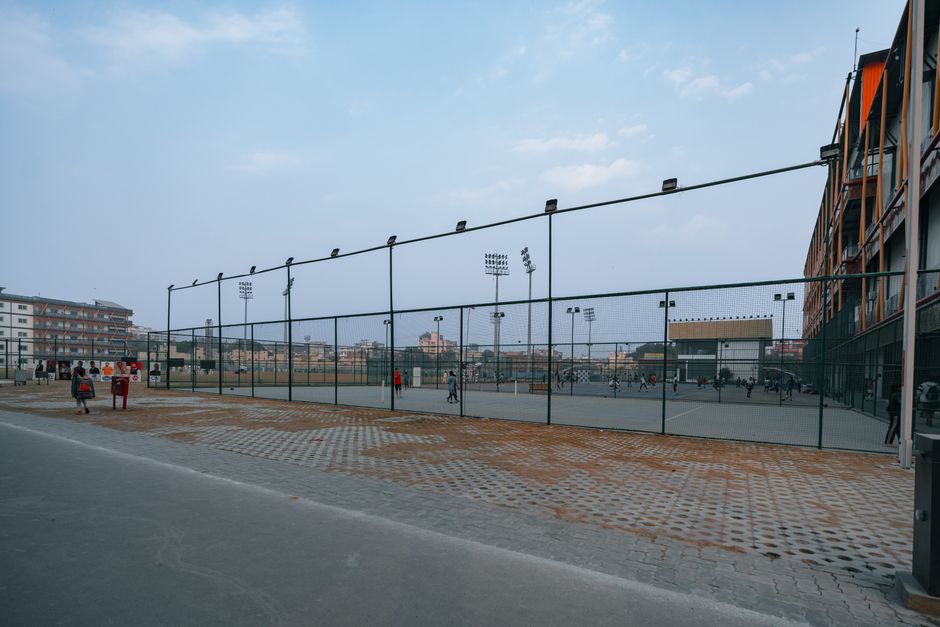
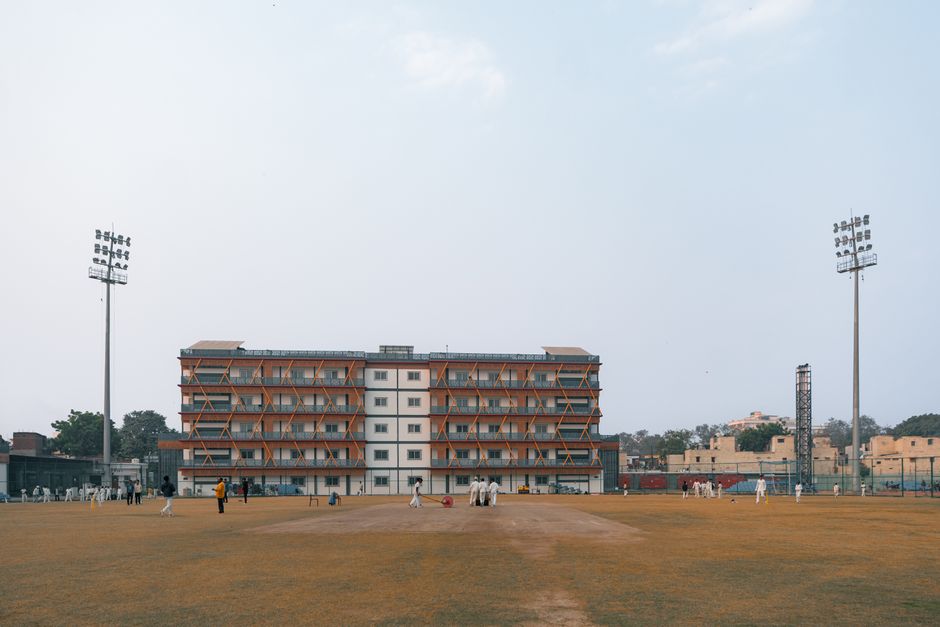
Beyond commercial gyms, public sports infrastructure has seen incremental improvements. The Delhi Sports Authority's renovation projects at Jawaharlal Nehru Stadium and Arun Jaitley Stadium have modernised training facilities, though advocates argue capacity remains stretched during peak hours. Municipal sports complexes in Rohini, Dwarka, and Uttam Nagar offer subsidised access, with membership costs as low as ₹500 annually—vital for grassroots participation.
However, challenges persist. Overcrowding during early mornings and evenings, air quality concerns during winter months, and uneven distribution of premium facilities across outer areas remain contentious issues. Property costs continue to inflate rental rates, pricing out smaller, independent operators who once anchored neighbourhood fitness culture.
Yet momentum endures. Corporate wellness programmes, rising health consciousness post-pandemic, and younger generations prioritising fitness have created sustainable demand. Delhi's gym infrastructure now mirrors a global city—stratified, competitive, and rapidly evolving. The question isn't whether facilities will continue expanding, but whether expansion can balance accessibility with excellence.
This article was compiled by AI from the sources linked above and screened before publishing. See our editorial standards.