Delhi's Endurance Sport Infrastructure Faces Growing Pains as Athlete Numbers Surge
With running, cycling and triathlon participation up 40% in three years, the capital's venues and facilities are struggling to keep pace with demand.
With running, cycling and triathlon participation up 40% in three years, the capital's venues and facilities are struggling to keep pace with demand.
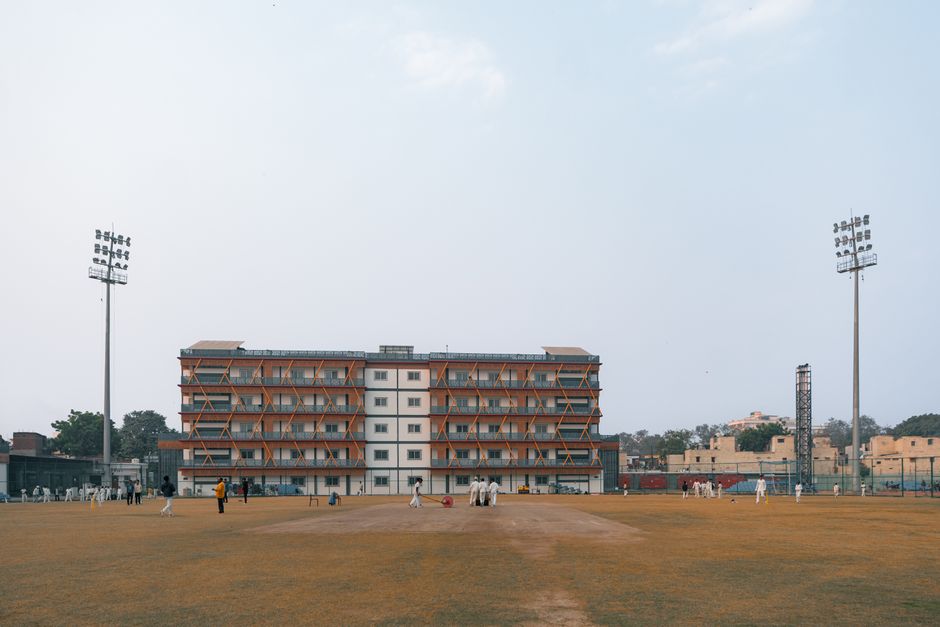
Delhi's endurance sports revolution is hitting a critical junction. As participation in running, cycling and triathlon has surged over the past three years, the city's aging infrastructure is creaking under the strain—a reality becoming impossible to ignore for the thousands of athletes now training across the capital.
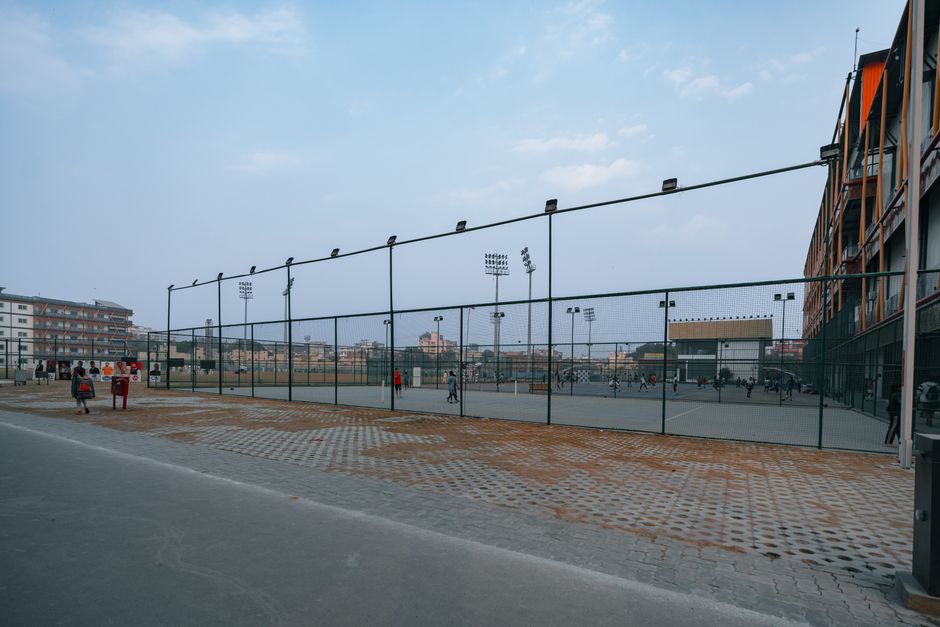
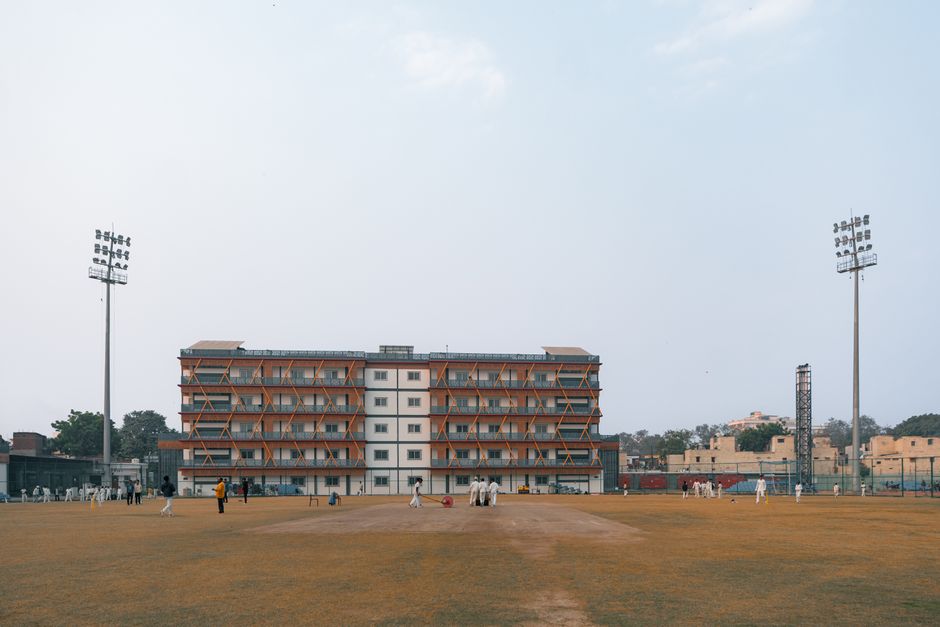
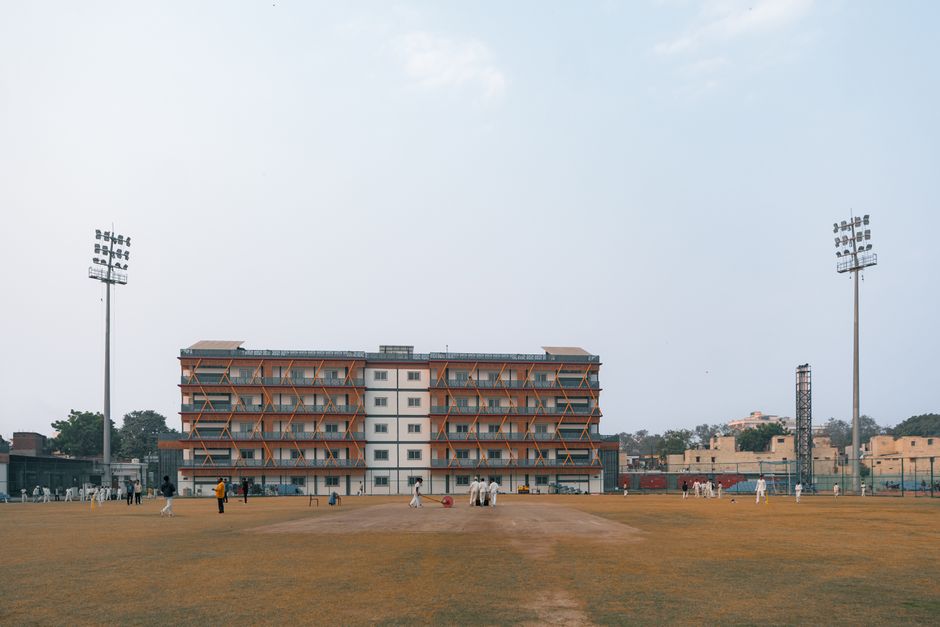
The numbers tell a stark story. Running clubs have proliferated from around 15 major groups in 2023 to nearly 45 today, with combined memberships exceeding 12,000 active participants. Yet Delhi's designated running venues remain limited. The Yamuna Biodiversity Park in East Delhi and the pathways along India Gate continue to serve as de facto hubs, both now regularly congested during peak evening hours between 6-8 PM. The 7-kilometre Delhi Cyclopark at Rajpathavi remains the city's primary dedicated cycling facility, but its capacity struggles to accommodate the estimated 3,000+ regular cyclists competing for track time.
Pricing reflects the infrastructure gap. Monthly memberships at premium cycling clubs in Vasant Kunj and Safdarjung range from ₹3,500 to ₹8,000, effectively locking out middle-income athletes. Meanwhile, triathlon-specific training facilities barely exist. Athletes pursuing tri-sport disciplines must piece together training across separate pools, roads and cycling tracks—a logistical nightmare in a sprawling megacity of 32 million.
The Siri Fort Sports Complex, historically a crown jewel, now struggles with maintenance issues. Pool availability for triathlon training is inconsistent, and the facility's cycling velodrome remains underutilised due to poor accessibility from South Delhi's densest residential zones. Meanwhile, newer initiatives like the Aravalli Biodiversity Park trails offer promise but lack basic amenities—functioning water stations remain sparse, and lighting for early-morning sessions is inadequate.
Delhi's municipal authorities have acknowledged the gaps. Plans for a dedicated multi-sport endurance facility in Rohini, mooted in 2024, remain stalled in bureaucratic limbo with no confirmed timeline. Meanwhile, private operators are stepping in—gyms franchises now offer basic triathlon coaching at premium rates, further exacerbating equity concerns.
The bottleneck is becoming a ceiling. Serious amateur athletes and aspirants eyeing national-level competition increasingly migrate to Bengaluru, Pune or Goa, where dedicated tri-sport complexes and well-maintained cycling circuits offer better training environments. For Delhi to retain its position as India's endurance sports capital, city planners must urgently prioritise infrastructure investment. Without it, the current surge in participation risks becoming a fleeting phenomenon—athletes simply gravitating elsewhere.
This article was compiled by AI from the sources linked above and screened before publishing. See our editorial standards.
How does this story make you feel?
Spread the word
About this article
Published by The Daily Delhi
Daily brief
Free, in your inbox before 7am. Weekdays.
More in Sport