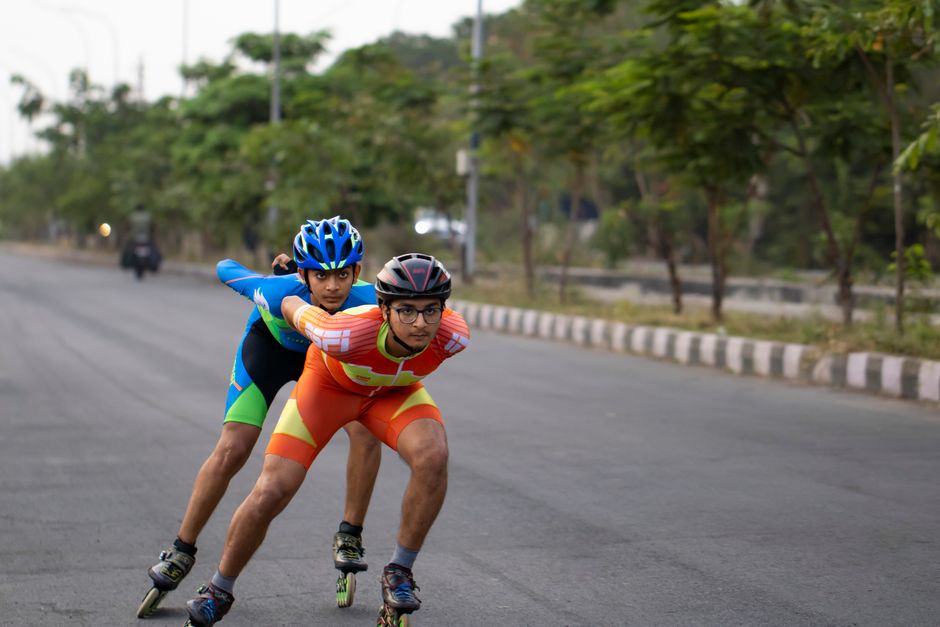
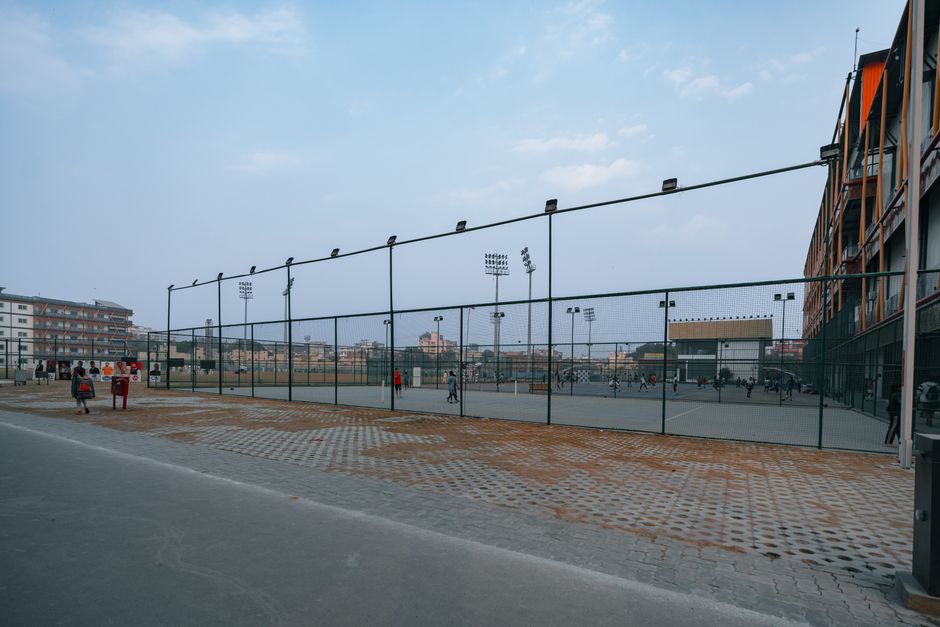
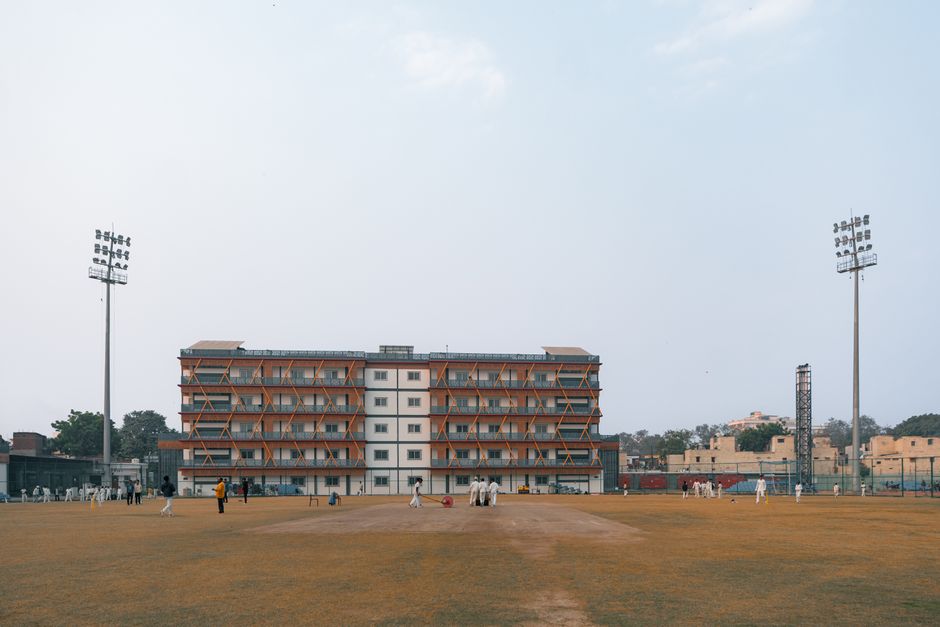
Delhi's endurance sports boom is reshaping the city's athletic infrastructure. From the pre-dawn joggers threading through Lodhi Gardens to weekend cyclists conquering the Delhi-Jaipur highway, the capital has become an unlikely hub for distance sports—and the venues supporting them are evolving rapidly.
The Jawaharlal Nehru Stadium remains the cornerstone of organized running, hosting the Delhi Marathon annually since 1982, attracting over 40,000 participants. But beyond the iconic 10km loop, the city's endurance infrastructure has fragmented across neighbourhoods. Lodi Gardens, despite its 90-acre sprawl, struggles with congestion during peak hours. Talkatora Stadium offers a 400-metre track, though its municipal upkeep has drawn complaints from serious distance runners seeking consistent, weather-resistant surfaces.
Cycling infrastructure tells a different story. The Delhi Cycling Club, operating since the 1950s in Dhaula Kuan, remains exclusive and membership-limited. Meanwhile, informal cycling collectives have mushroomed—groups organizing early-morning rides via social media, utilizing the Ring Road and stretches toward Noida and Gurgaon where traffic permits sustained training. The absence of dedicated cycle lanes on major arterial roads like Mathura Road and Mother Teresa Crescent continues to frustrate enthusiasts.
Triathlon, the fastest-growing segment, exposes the city's most glaring gap. The Yamuna Sports Complex hosts occasional events, but Delhi lacks a purpose-built multi-sport training facility. Swimmers rely on school pools and private clubs—the Delhi Boat Club being prominent but capacity-constrained. Open-water training remains informal, with athletes coordinating unsanctioned sessions in the Yamuna near Old Delhi, raising safety concerns.
Private gyms and coaching centres have stepped in to fill voids. South Delhi clusters around Mehrauli and Greater Kailash host numerous tri-coaching operations, catering to the growing middle-class demographic willing to spend ₹15,000-30,000 monthly for structured training. North Delhi options remain sparse, deepening geographical inequality.
The Delhi Sports Authority has acknowledged these gaps. Plans for a dedicated triathlon venue in East Delhi remain in preliminary stages, while proposals for improved cycling infrastructure on the Outer Ring Road have stalled amid traffic management concerns.
Local running communities—organized through clubs like Hash House Harriers Delhi and various WhatsApp groups—have become self-organizing solutions, creating informal trail networks. Yet serious athletes increasingly migrate to Bengaluru or Pune for dedicated facilities, representing a brain drain in Delhi's endurance sports ecosystem. Until infrastructure investment catches pace with participation growth, the capital risks squandering its demographic advantage in a sport where facilities, ultimately, determine champions.
This article was compiled by AI from the sources linked above and screened before publishing. See our editorial standards.