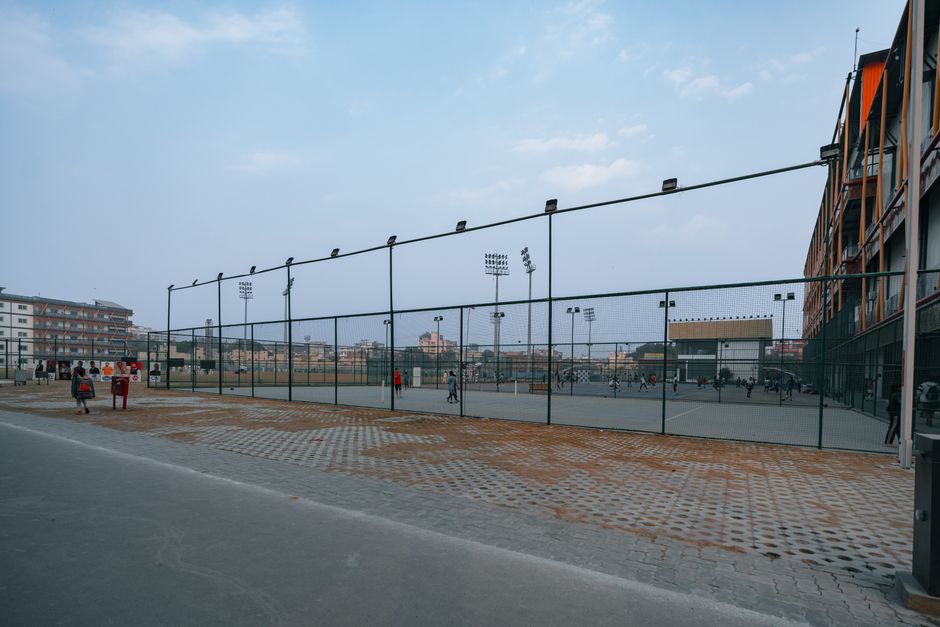
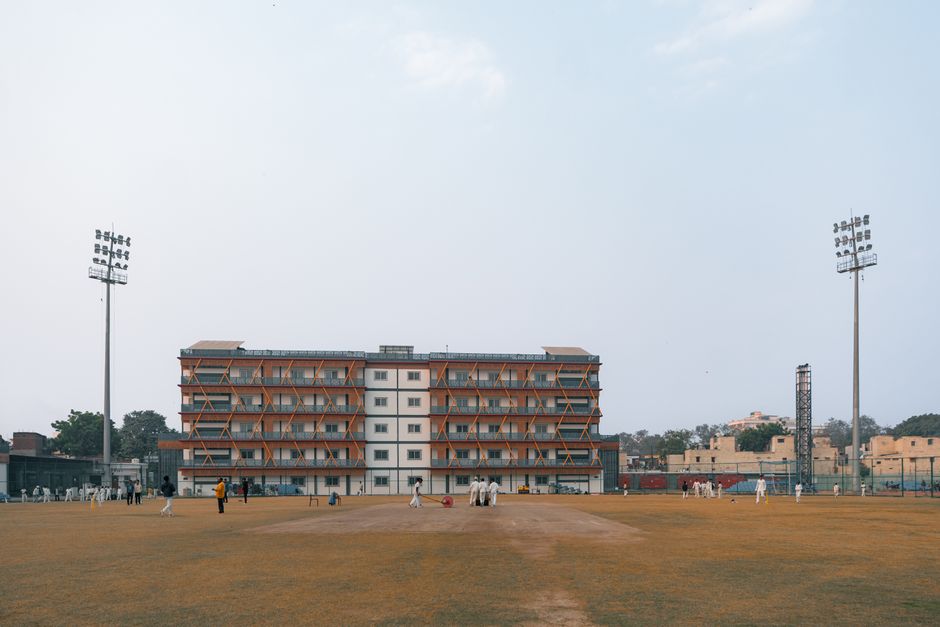
On a humid Tuesday evening in Nehru Park, near Chanakyapuri, a group of forty residents—lawyers, software engineers, schoolteachers, and accountants—gather for their weekly badminton league. Entry costs ₹500 per month. The court rental, shared across twelve players, comes to roughly ₹80 per person per session. This scene, replicated across dozens of Delhi neighbourhoods, represents something quietly radical: the democratisation of sport beyond elite clubs and corporate gyms.
The grassroots sports movement in Delhi has exploded over the past three years. Where organised amateur leagues once existed primarily in wealthy enclaves like the Delhi Club or Gymkhana, neighbourhood-run competitions now flourish in Indirapuram, Gurgaon's adjoining suburbs, South Delhi's Vasant Kunj, and the emerging sporting hubs around Noida's sporting complexes. According to data from the Delhi Sports Authority, amateur-organised leagues have grown by 42 per cent since 2023, with over 280 registered community clubs now operating across the capital.
What's driving this surge? Accessibility. A cricket league in Malviya Nagar operates with membership at ₹2,000 annually—far below corporate league fees. A handball club in Rohini uses municipal courts during off-peak hours. A women's football league operating from Siri Fort Auditorium charges ₹300 monthly and has seen participation jump from 45 players in 2024 to 187 today.
The infrastructure challenge remains real. Most community clubs depend on municipal grounds, school fields, or hired private spaces. Yet organisers have become ingenious: badminton leagues operate from 6 to 10 p.m. at community centres; weekend football tournaments use school grounds; table tennis clubs share tables at municipal recreation halls in Defence Colony and Laxmi Nagar.
These aren't vanity projects. Community leagues function as genuine talent pipelines. Several players who emerged from neighbourhood cricket leagues in East Delhi and South Delhi have gone on to state-level selections. A volleyball league in Dwarka has produced players competing in national university tournaments.
More importantly, grassroots leagues have shifted sport from spectacle to participation. They've created spaces where working professionals, homemakers, retirees, and schoolchildren compete on equal terms. Gender-inclusive leagues have expanded dramatically—women's participation in amateur leagues has grown by 67 per cent in two years.
The movement reflects Delhi's maturation as a sporting city: less about grand stadiums, more about sustainable, community-driven sport. As these amateur leagues continue expanding, they're answering a fundamental question: who gets to play? And across the city, the answer increasingly is: everyone.
This article was compiled by AI from the sources linked above and screened before publishing. See our editorial standards.