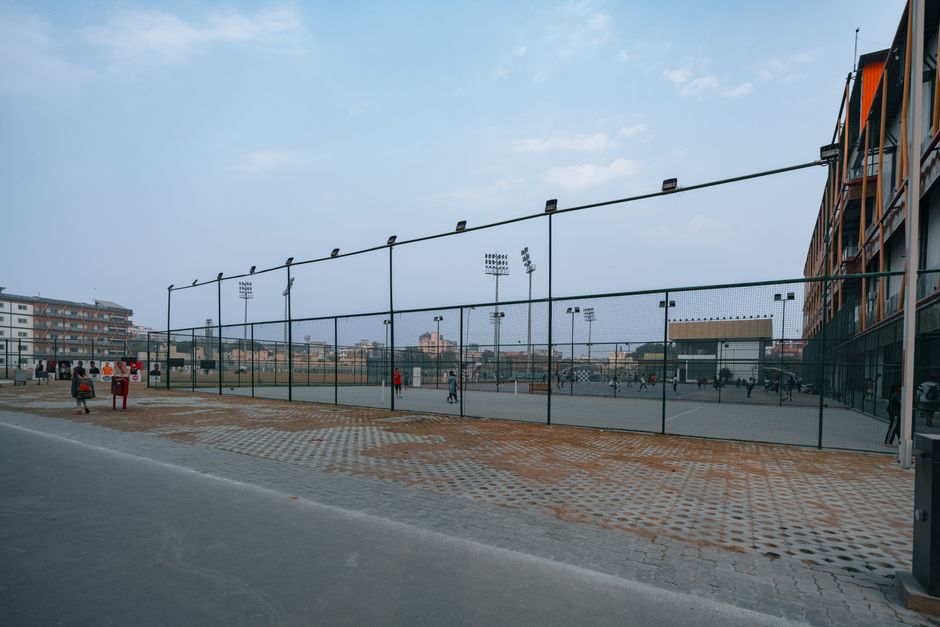
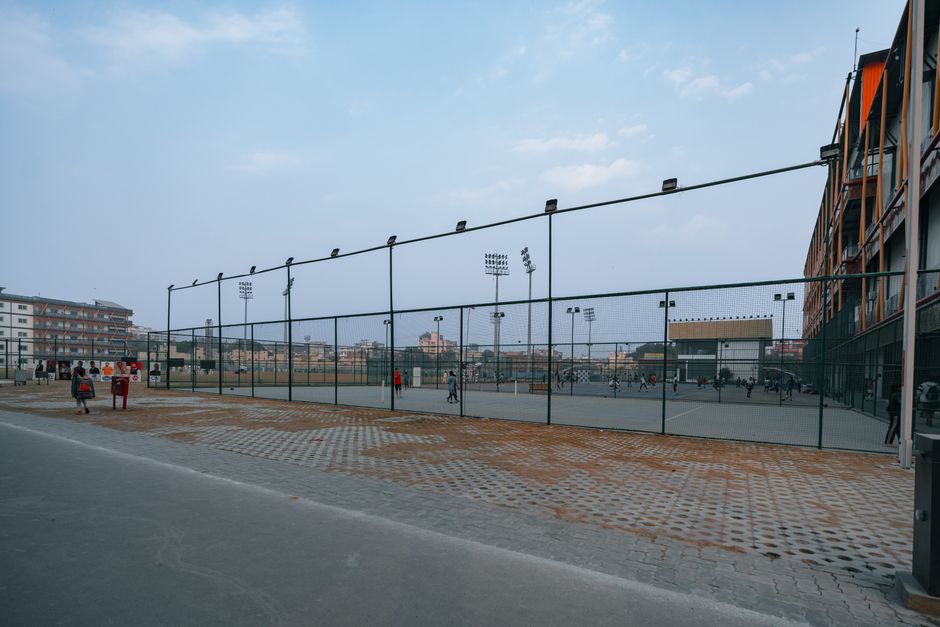
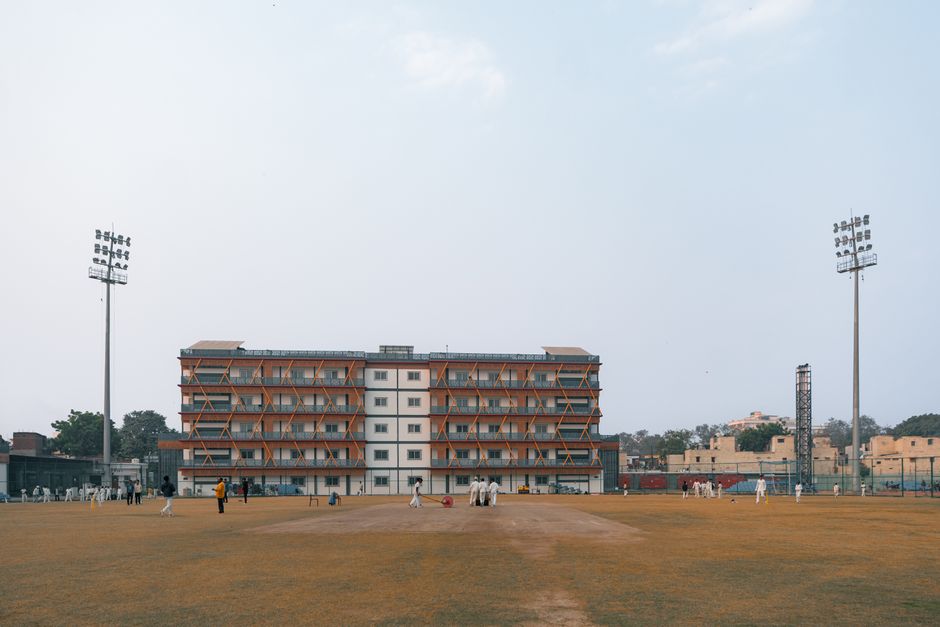
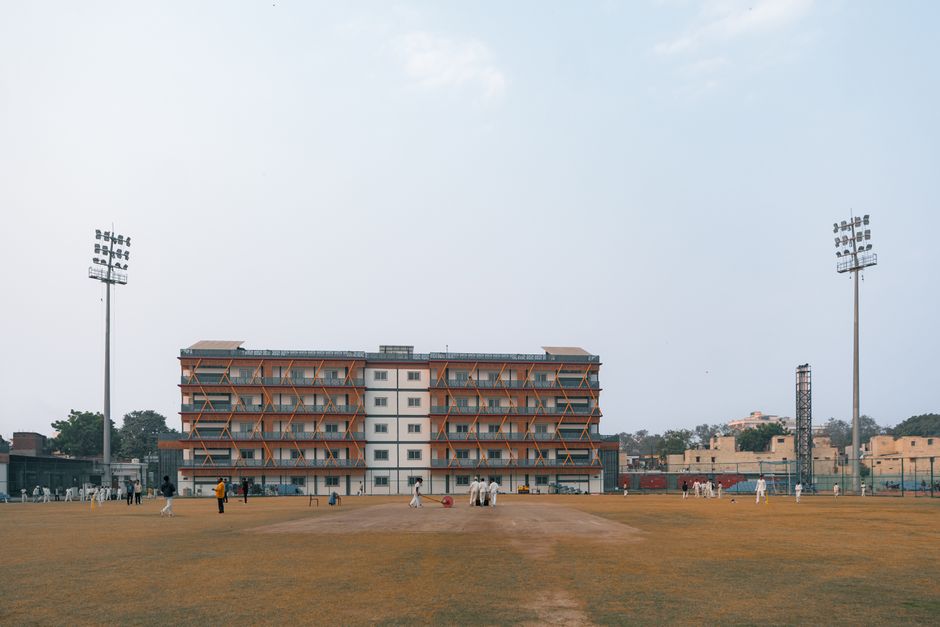
On a humid Tuesday evening in Lajpat Nagar, a cluster of residents gathers under the sodium lights of a converted community courtyard. There are no membership forms, no Instagram influencers, no ₹5,000-a-month price tags. Instead, there's a retired physical education teacher leading a mixed-age group through functional fitness drills, powered entirely by voluntary contributions and neighbourhood goodwill.
This scene repeats itself across Delhi's residential pockets—from Greater Kailash to Rohini, from Dwarka to Shahdara—where grassroots fitness collectives have quietly become the city's most inclusive wellness movement. While premium gyms in Connaught Place and South Delhi command steep fees, neighbourhood fitness groups operating in parks, community centres, and makeshift outdoor spaces have democratised access to structured training, reaching demographics largely excluded from commercial fitness culture.
Data from the Delhi Sports Authority suggests that approximately 60% of the city's fitness participation now occurs outside formal gym networks, a significant shift from five years ago. Community fitness initiatives have expanded dramatically, particularly in middle and lower-income residential areas, where monthly contributions average ₹300-800 per member—a fraction of commercial gym rates.
The movement's strength lies in its localism. These collectives are hyperlocal, embedded in existing social structures. A coordinated network across East Delhi's residential complexes operates strength training and aerobics sessions. Women-only morning fitness groups have proliferated in colonies like Safdarjung Enclave and Vasant Kunj, addressing safety concerns while building female participation. Youth-led initiatives in peripheral areas like Nangloi and Bhajanpura have transformed underutilised spaces into functional training zones.
What distinguishes these grassroots movements from commercial operators is their community-first approach. Regular members often become volunteer trainers. Earnings fund equipment maintenance and occasionally subsidise participation for economically vulnerable residents. Several initiatives have integrated nutrition workshops and mental health discussions, recognising fitness as holistic wellbeing rather than aesthetic pursuit.
The momentum carries challenges. Inconsistent spaces, weather dependency, and limited equipment constrain some initiatives. Yet municipal support has gradually increased—the Delhi Sports Authority now recognises community fitness groups, offering occasional grants and facility access. Several RWAs have formalised partnerships, allocating dedicated spaces and utilities.
What emerges is a distinctly Delhi model: fitness infrastructure that reflects the city's socioeconomic diversity, built through collective effort rather than commercial extraction. As commercial gyms proliferate, these neighbourhood movements represent something equally powerful—grassroots ownership of health, one community courtyard at a time.
This article was compiled by AI from the sources linked above and screened before publishing. See our editorial standards.