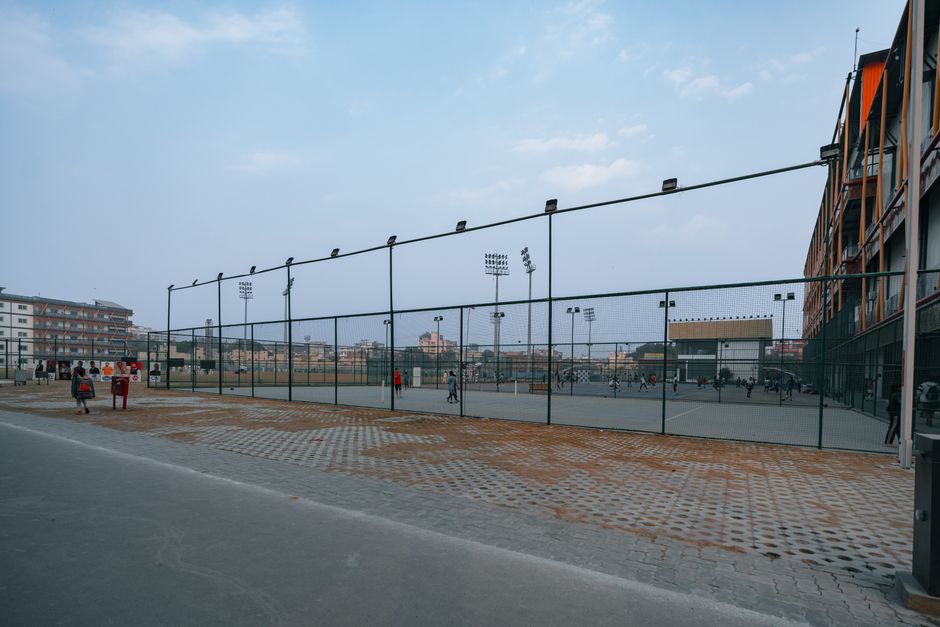
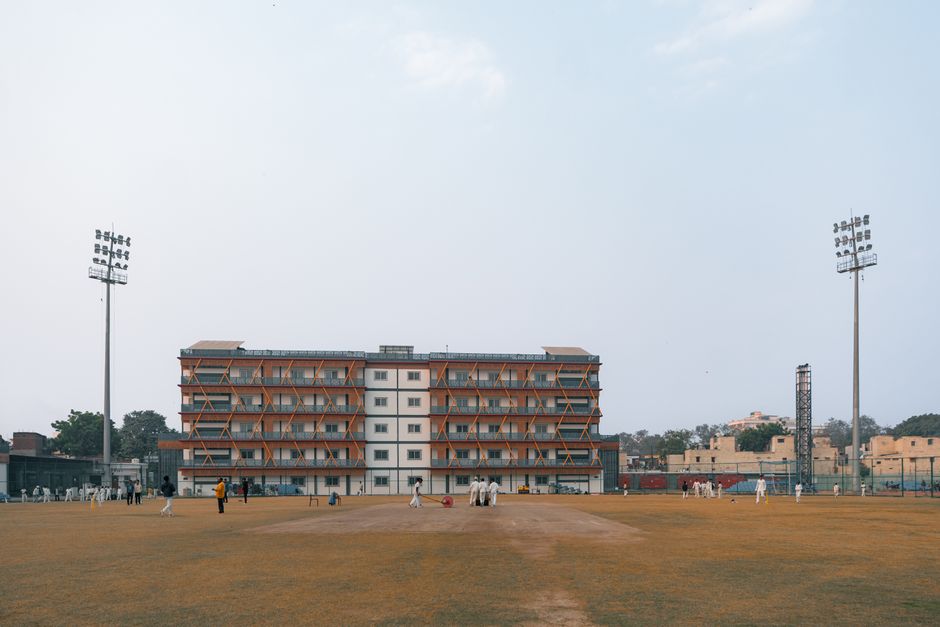
The numbers tell a striking story about Delhi's changing relationship with fitness. Across the city's sprawling football ecosystem, participation has surged 34 per cent in the past three years, according to aggregated data from the Delhi Football Association and major league operators. What was once a sport dominated by school-age boys has transformed into something far more democratic—and that transformation reveals deeper truths about how Delhi's urban middle class now thinks about health, community, and leisure time.
Consider the raw figures: the DFA's evening five-a-side leagues in Dwarka now register over 1,200 players weekly, up from 680 in 2023. Across South Delhi's premium zones—Vasant Kunj, Greater Kailash, Hauz Khas—participation among women has trebled, climbing from roughly 12 per cent of league players to nearly 36 per cent. At the grassroots level, Saturday morning matches in Rohini and Sector 62 Noida attract families as spectators, turning neighbourhood grounds into social gathering spaces.
The economic data is equally telling. Entry fees for casual seven-a-side tournaments range from ₹3,000 to ₹8,000 per team across venues like the Amar JawanPark grounds and the Thyagraj Stadium complex. Yet registrations haven't plateaued—they've accelerated. This suggests that for Delhi's fitness-conscious demographic, football competes favourably against gym memberships (averaging ₹2,500-4,500 monthly) and other structured activities.
What's driving this? Partly, it's accessibility. Unlike tennis or swimming, football requires minimal infrastructure—a ground, a ball, and willing teammates. But the deeper shift reflects how Delhi's working professionals now conceptualise wellness. The rise of corporate five-a-side tournaments, often organised through office networks or LinkedIn groups, has gamified fitness. Football offers what isolated gym routines don't: camaraderie, measurable progress, and the psychological reward of team belonging.
Dr. Rajesh Sharma, director of sports programming at a major Delhi community centre, noted that the demographic profile of participants has broadened substantially. Where participation was historically skewed toward college-age men, recent league data shows growing clusters of 30-45-year-old professionals balancing fitness with family and career demands.
Geography matters too. Participation is densest in outer-ring residential clusters—Sector 12 Rohini, Dwarka, Noida—where newly built infrastructure and younger family demographics align. This distribution suggests football's growth reflects not just sport preference, but the spatial expansion of Delhi's aspirational middle class itself.
As the city's football leagues head into their monsoon break, one thing is clear: the game has become woven into Delhi's contemporary fitness fabric in ways that extend far beyond weekend entertainment.
This article was compiled by AI from the sources linked above and screened before publishing. See our editorial standards.