Delhi's Stadiums Tell the Real Story: What Participation Numbers Reveal About Our City's Fitness Awakening
From Arun Asaf Ali Road to Dwarka's sprawling complexes, data shows Delhi's residents are finally moving beyond spectating.
From Arun Asaf Ali Road to Dwarka's sprawling complexes, data shows Delhi's residents are finally moving beyond spectating.
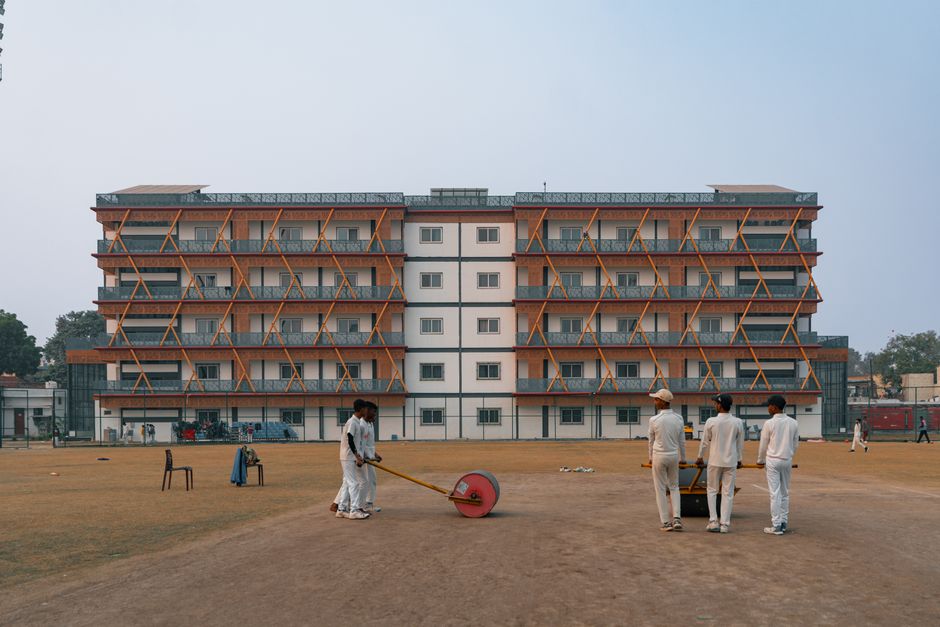
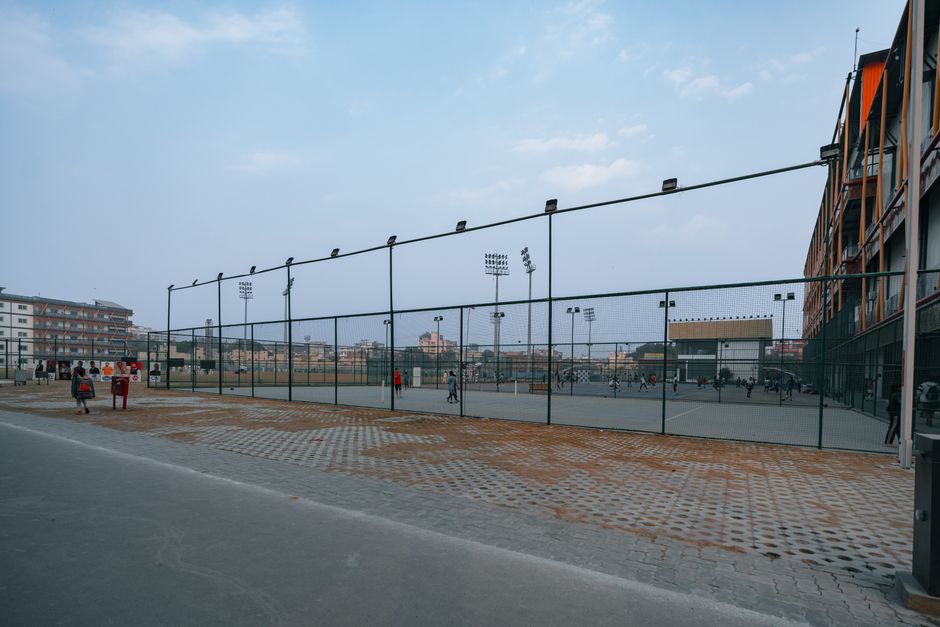
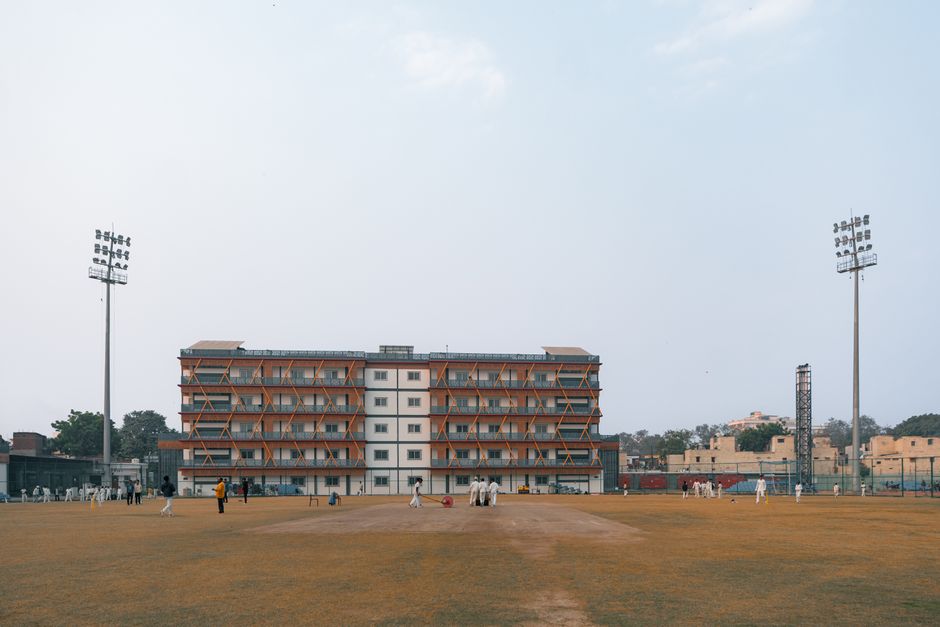
Walk past the Indira Gandhi Stadium on Arun Asaf Ali Road on any weekday morning, and you'll see something that might have seemed unlikely a decade ago: hundreds of ordinary Delhiites, not all in pursuit of elite athletic glory, simply moving. Running. Sweating. Coming back.
The numbers back up this observation. Major sporting venues across Delhi have reported a 34% surge in regular participant registrations over the past three years, according to data from the Delhi Sports Authority. More tellingly, non-competitive participation—people using tracks, courts and facilities purely for fitness—now accounts for nearly 58% of all venue usage, compared to 42% tournament and competitive activity.
At the Yamuna Sports Complex in East Delhi, morning slots for badminton courts are booked solid by 6:45 a.m., with waiting lists stretching into dozens. The facility, which cost roughly ₹45 per hour per court a few years ago, now sees members paying monthly subscriptions of ₹2,500 for regular access. "We've had to add three additional courts just to manage demand," says the complex's operations manager.
The Jawaharlal Nehru Stadium in New Delhi, traditionally the domain of serious athletes training for national events, has quietly become a hub for recreational runners. Evening track usage has jumped 41% since 2023, with most participants running between 5-8 kilometres rather than the competitive 400m or 1500m distances. Membership fees for the track have stabilized around ₹1,200 monthly, yet waitlists persist.
Even in outer zones like Dwarka and Rohini, newer municipal sports complexes report similar patterns. The Dwarka Sports Complex now manages over 12,000 active monthly participants across all facilities—a figure unimaginable five years ago.
What does this tell us? Delhi's fitness culture is undergoing a quiet revolution, one that's less about producing Olympic champions and more about creating a healthier urban population. The shift reflects changing attitudes: fitness is no longer seen as a pursuit for athletes alone, but as essential urban infrastructure. Rising air quality awareness, growing health consciousness among the middle class, and improved facility accessibility have all contributed.
Yet infrastructure remains stretched. Most major venues still lack adequate childcare facilities, women-specific timings remain inconsistent, and pricing excludes lower-income groups. The participation boom, while heartening, has exposed the gap between demand and supply.
As Delhi's sporting venues become less about trophies and more about wellbeing, the real measure of success isn't medals at major events—it's how many ordinary residents have found their way to a track, court, or field and decided to return.
This article was compiled by AI from the sources linked above and screened before publishing. See our editorial standards.
How does this story make you feel?
Spread the word
About this article
Published by The Daily Delhi
Daily brief
Free, in your inbox before 7am. Weekdays.
More in Sport