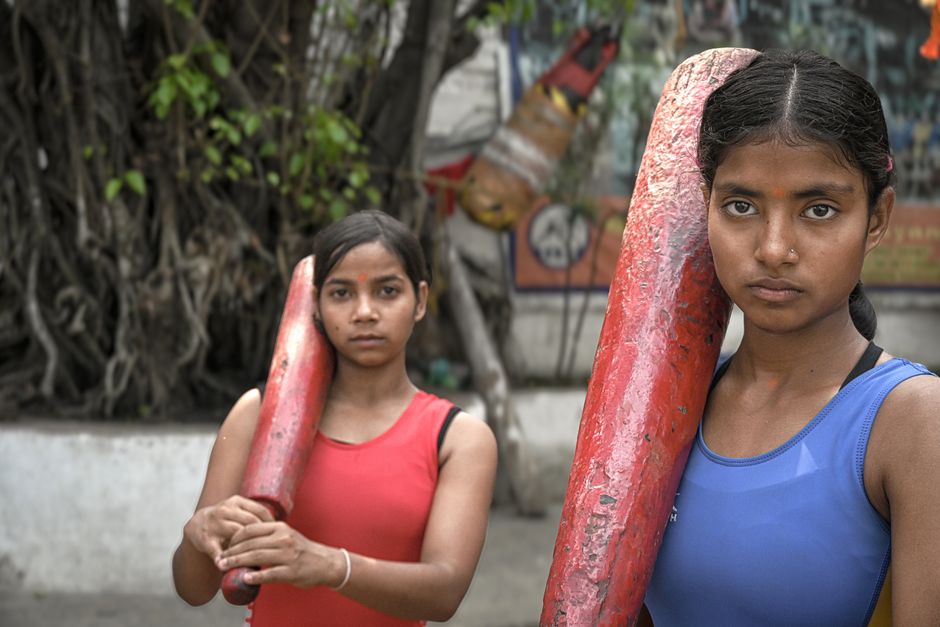
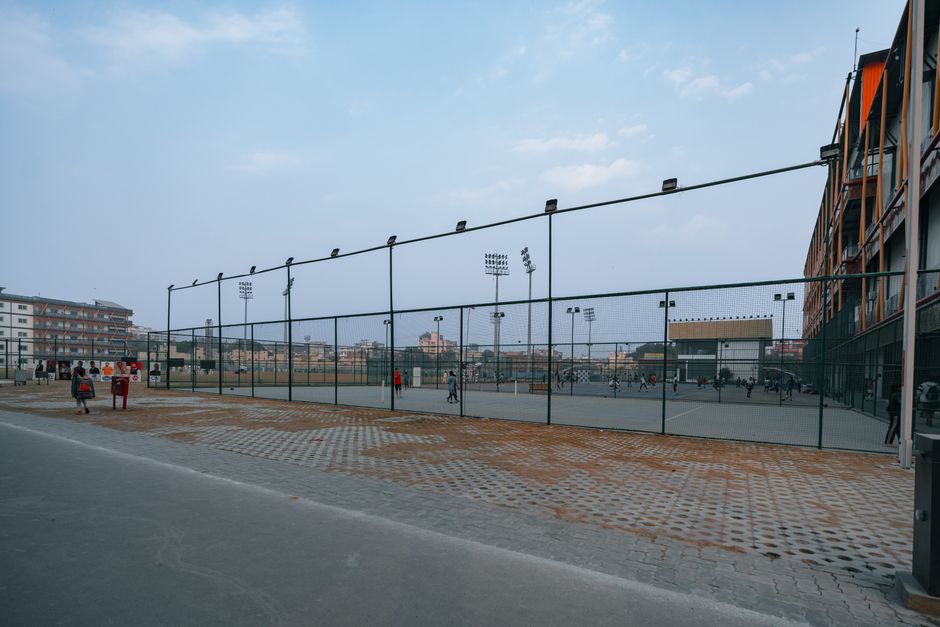
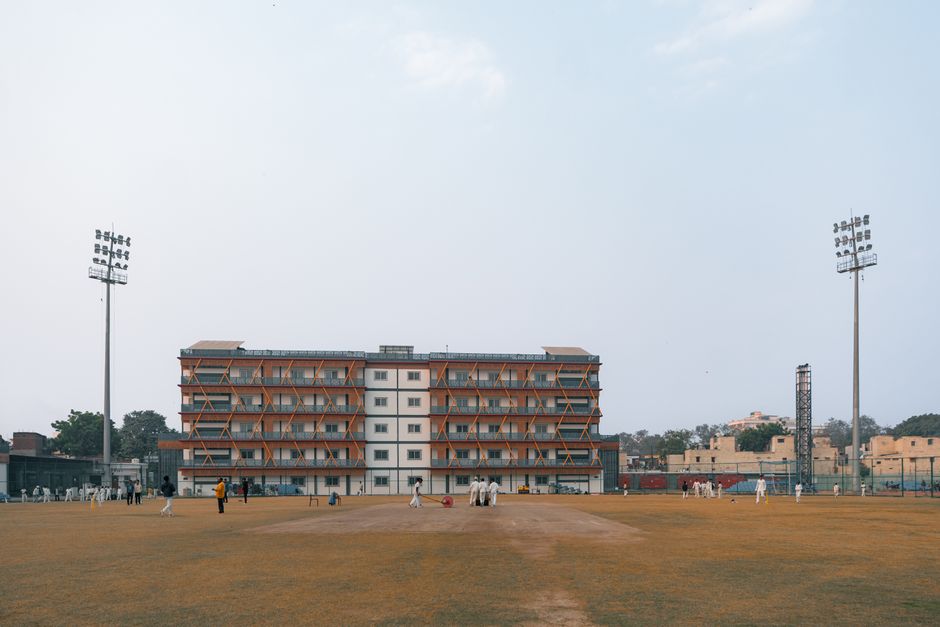
The monsoon rains haven't dampened the intensity simmering across Delhi's youth sporting ecosystem. From the clay courts of Siri Fort to the makeshift cricket grounds in Malviya Nagar, grassroots clubs are entering what many call their most consequential period of the calendar—finals season.
July through August represents a critical juncture. The Delhi Youth Sports Association finals in badminton, table tennis, and athletics will determine not only individual medals but also club rankings that directly influence government grants and sponsorship allocations for 2027. Several neighbourhood academies operating in South Delhi, East Delhi, and around the Yamuna Vihar belt stand to gain or lose institutional support worth ₹8-12 lakhs annually, depending on performance.
"We're looking at nearly 300 young athletes from 18 clubs competing across seven disciplines," says an administrator at the Sports Authority of India's Delhi office, noting this year's increased participation compared to the 2025 cycle. "The finals will reveal which grassroots operations have genuinely invested in talent development versus those coasting on reputation."
Venue pressures remain acute. The National Stadium has allocated only 15 days for youth championship heats and finals, forcing clubs to compete for practice slots. Neighbourhood clubs in Karol Bagh, Dwarka, and Greater Kailash are supplementing official venues with private facility rentals—a cost that can burden smaller operations charging ₹2,000-3,500 monthly membership fees to families in working-class colonies.
Yet there's visible momentum. Several clubs have invested in certified coaching staff this year. The Tilak Nagar Youth Athletic Association, which operates from a rented ground near Rajouri Garden, recently brought in a former national-level sprints coach. Similar upgrades are visible at the Rohini Sports Club and smaller operations serving the city's northeast quadrants.
Beyond medals, these finals matter because they're audition stages. State selection committees watch closely; performances here feed directly into Under-16 and Under-18 state team trials happening in September. For many young athletes from modest backgrounds across Delhi's residential colonies, these grassroots finals represent the clearest pathway to higher-level opportunities.
Club administrators acknowledge the stakes. Several have organised extra training camps in June, and a few have sought corporate sponsorships from neighbourhood businesses to fund travel to distant venues. The question now is whether structural investment in youth development will translate to results when finals arrive.
This article was compiled by AI from the sources linked above and screened before publishing. See our editorial standards.