Delhi's Youth Sport Boom Hinges on Crumbling Courts and Underfunded Clubs
As grassroots participation surges across the capital, ageing facilities and infrastructure gaps threaten to derail the next generation of athletes.
As grassroots participation surges across the capital, ageing facilities and infrastructure gaps threaten to derail the next generation of athletes.
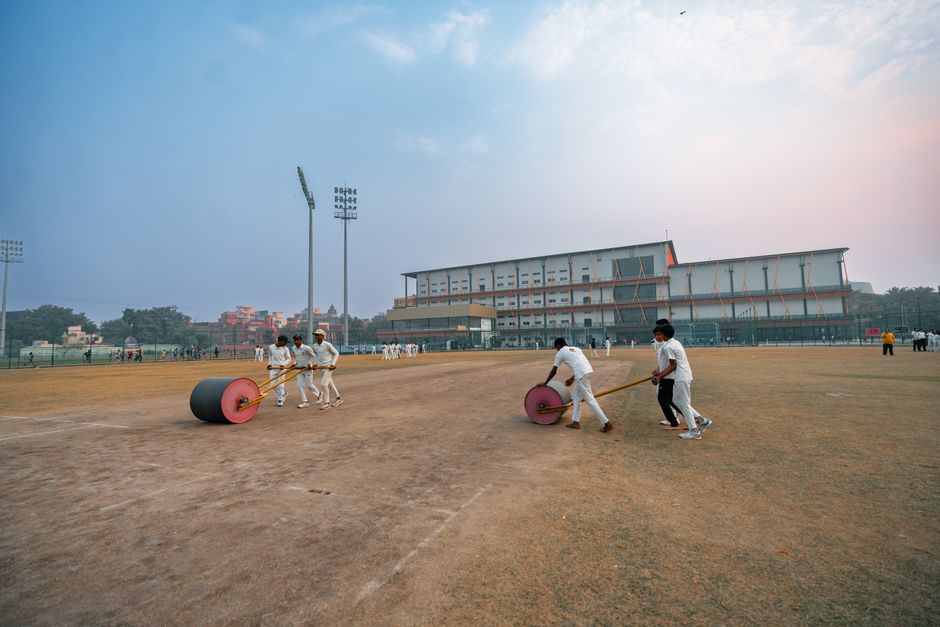
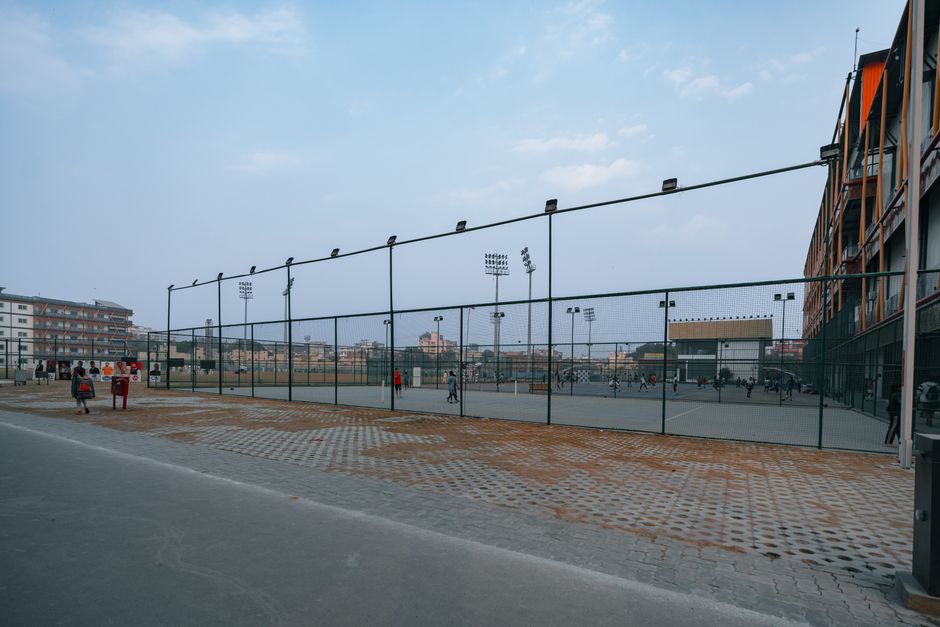
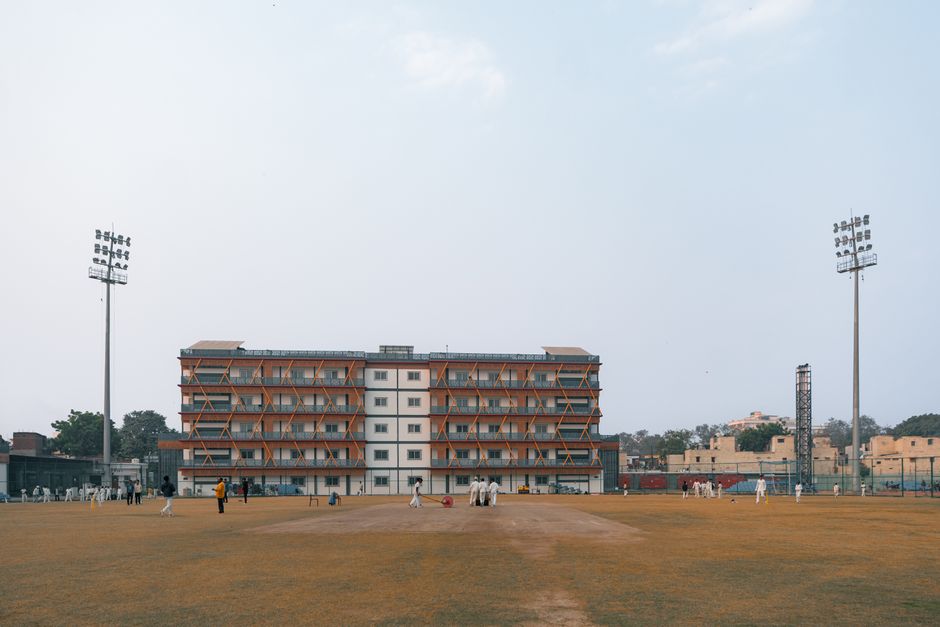
Walk past the Talkatora Stadium in New Delhi on any summer evening and you'll see dozens of young cricketers, badminton players, and wrestlers vying for court time. The scene repeats across the city—from Lodhi Road's tennis courts to the neighbourhood grounds in Dwarka and East Delhi. Yet behind this apparent abundance of sporting ambition lies a troubling reality: Delhi's grassroots infrastructure is struggling to keep pace with demand.
The numbers tell a sobering story. According to data from the Delhi Sports Authority, approximately 1.2 million children aged 8-18 participate in structured sport across the capital, yet fewer than 400 properly maintained public facilities serve them. Most neighbourhood clubs operate from converted community spaces or deteriorating municipal grounds, many lacking basic amenities like working floodlights, adequate changing rooms, or drinking water facilities.
In South Delhi's Mehrauli area, the recently renovated Mehrauli Sports Complex represents a rare bright spot—offering tennis, badminton, and squash courts alongside a swimming pool. Yet membership costs ₹8,000-12,000 annually, placing it beyond reach for most working-class families. Meanwhile, the nearby municipal ground in Greater Kailash remains waterlogged during monsoons, forcing young footballers to seek alternatives or abandon training altogether.
The situation is more acute in outer Delhi. Clubs operating from Rohini to Noida struggle with inconsistent power supply, affecting lighting for evening training sessions when most working parents can supervise their children. The Delhi Badminton Association estimates that 40% of affiliated clubs report facility-related closures lasting an average of 15 days annually.
Private enterprises are filling some gaps. New badminton academies have sprouted across GK-1, Vasant Kunj, and Gurgaon's sports complexes, but they cater to affluent families. Meanwhile, the Delhi Government's initiative to develop sports infrastructure in underserved areas like Sangam Vihar and Uttam Nagar has yielded modest results, with budget constraints limiting both scope and quality.
Coaching remains another bottleneck. While elite training programmes operate at venues like the Major Dhyan Chand National Stadium, grassroots coaches often lack formal certification or standardised training methods. Fees for quality coaching range from ₹3,000-8,000 monthly—prohibitively expensive for many families.
The irony isn't lost on Delhi's sports community: a city that hosted Commonwealth Games infrastructure now watches that same capital deteriorate through underfunding and neglect. If the current trajectory continues, Delhi risks squandering emerging talent simply due to infrastructure inadequacy rather than lack of ability or passion.
This article was compiled by AI from the sources linked above and screened before publishing. See our editorial standards.
How does this story make you feel?
Spread the word
About this article
Published by The Daily Delhi
Daily brief
Free, in your inbox before 7am. Weekdays.
More in Sport