From Grass Roots to Glory: How Delhi's Local Sports Clubs Are Thriving and Building Community
As the city's neighbourhood clubs transform underused venues into vibrant hubs, they're proving that world-class sport doesn't need world-class stadiums.
As the city's neighbourhood clubs transform underused venues into vibrant hubs, they're proving that world-class sport doesn't need world-class stadiums.
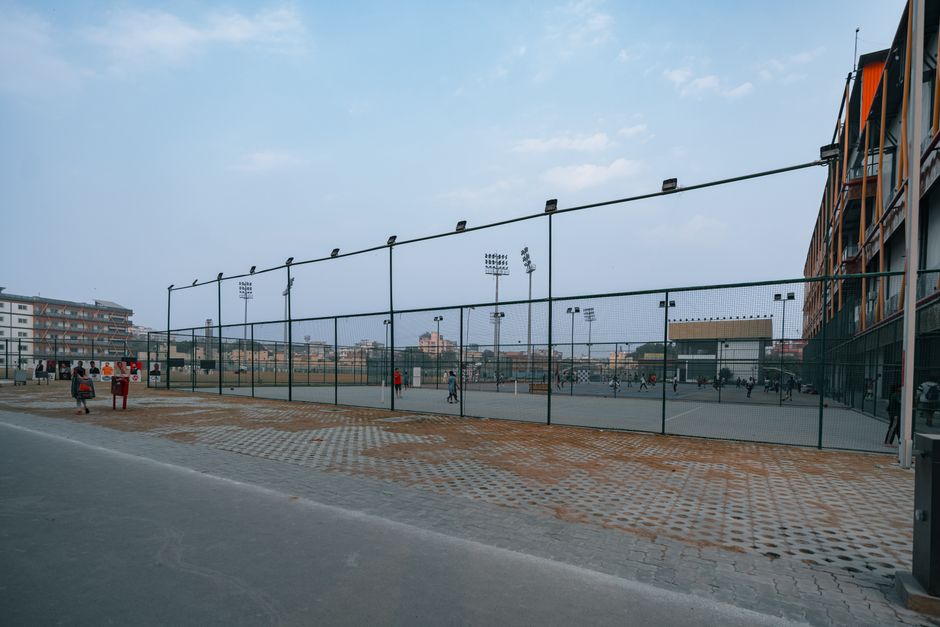
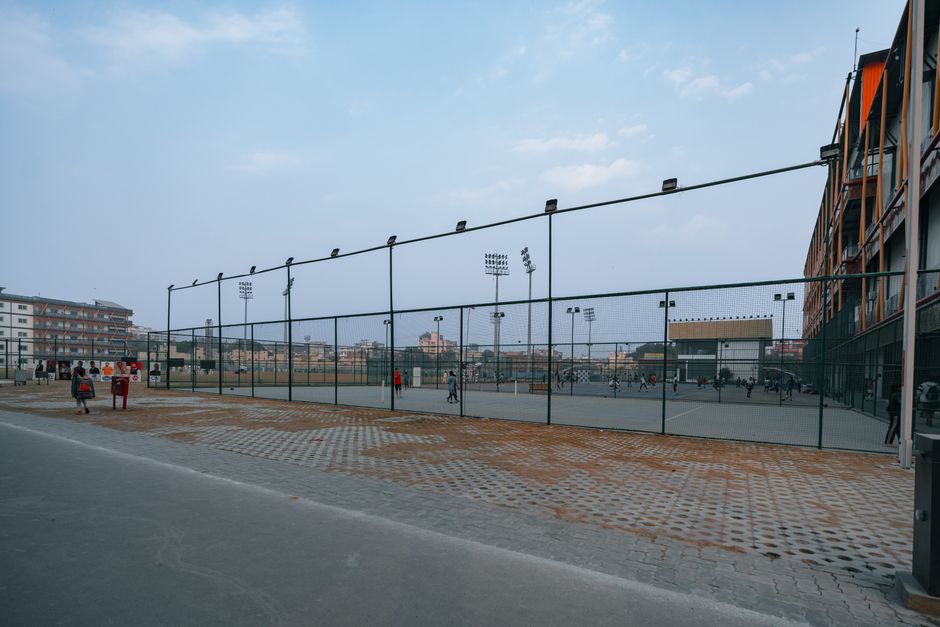
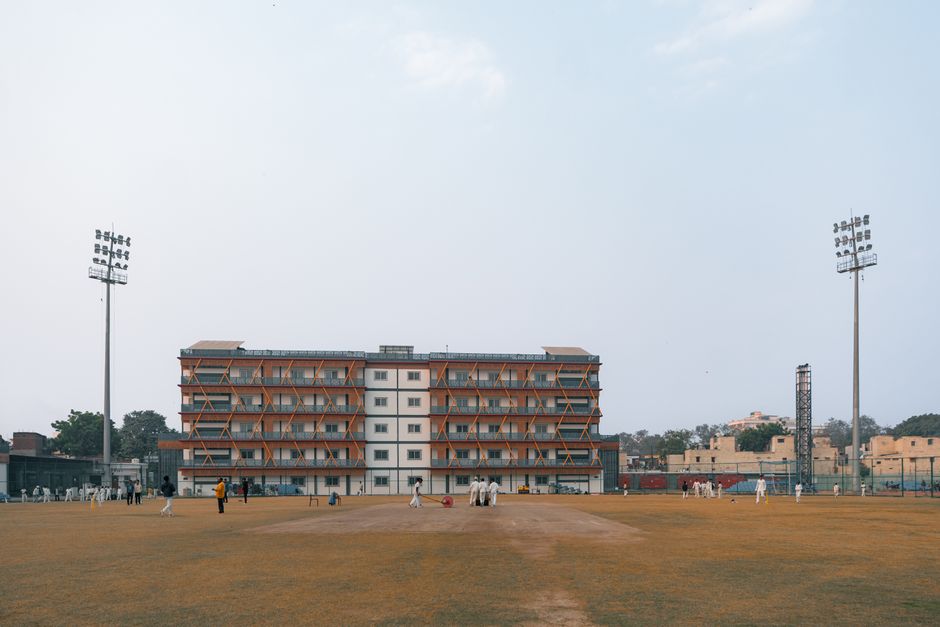
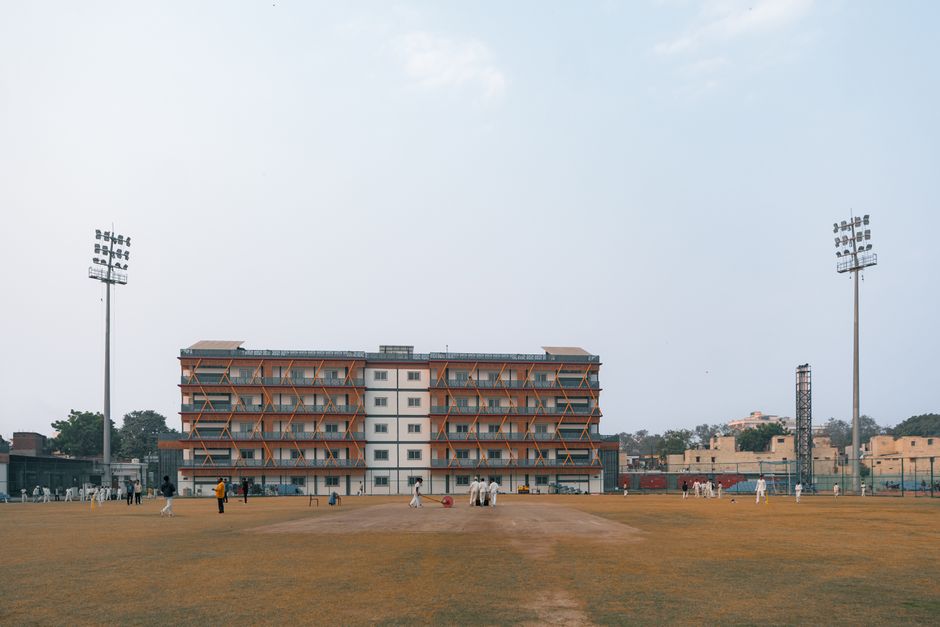
Walk through the bylanes of Mehrauli on a Saturday morning, and you'll find something quietly revolutionary happening at the Delhi United Sports Club—a modest 2-acre facility that's become the beating heart of south Delhi's grassroots athletics movement. Once a forgotten corner of Institutional Area, the club now hosts over 800 registered members across cricket, badminton, football, and tennis, with annual membership fees starting at just ₹2,500 for juniors.
"We didn't wait for the government to build grand stadiums," explains one club administrator. "Our members pooled resources, renovated the existing infrastructure, and within three years, we've become self-sustaining." The numbers speak volumes: the club now runs four age-group cricket teams that participate in Delhi's prestigious Karnail Singh Stadium tournament circuit, while their badminton section has produced two state-level champions in the last eighteen months.
This story is replaying across Delhi's neighbourhoods. In Dwarka, the Dwarka Sports Association has transformed a cramped community centre into a multi-sport facility serving 1,200 members. Their football academy, launched in 2024, now trains 150 children weekly at ₹500 per month—making elite coaching accessible to middle-income families. Similarly, the Vasant Kunj Athletic Club has become instrumental in the resurgence of field hockey in south Delhi, with their junior girls' team recently qualifying for the national championships.
What's particularly striking is the demographic shift. These clubs aren't just attracting traditional sports enthusiasts; they're drawing young professionals, working mothers, and pensioners seeking community beyond competition. The Karol Bagh Sports Forum, nestled near Delhi University's North Campus, recently launched a 'Seniors Wellness' programme that combines light athletics with social engagement—currently enrolling 200+ participants over 50.
The financial model is clever too. Rather than depending on municipal budgets or corporate sponsorships alone, clubs are diversifying revenue: hosting coaching camps during school holidays, renting facilities for corporate team-building events, and partnering with sports brands for equipment trials. One Sector 12, Rohini-based badminton club generates ₹8 lakh annually through such initiatives, investing profits directly into court maintenance and coach salaries.
Infrastructure remains a challenge—most venues operate with bare-bones facilities compared to international standards. Yet this constraint has bred innovation. Clubs are adopting shared scheduling systems, lobbying the Municipal Corporation of Delhi for better field maintenance, and creating inter-club tournaments that strengthen the entire ecosystem rather than fostering silos.
As Delhi positions itself as a sporting metropolis, these grassroots clubs deserve recognition. They're not competing for headlines; they're building something more durable: communities where sport is accessible, sustainable, and genuinely owned by the people who play.
This article was compiled by AI from the sources linked above and screened before publishing. See our editorial standards.
How does this story make you feel?
Spread the word
About this article
Published by The Daily Delhi
Daily brief
Free, in your inbox before 7am. Weekdays.
More in Sport