Delhi's Swimming Pool Surge Reveals a City Redefining Its Fitness Identity
New participation data shows aquatic activities are no longer a niche pursuit in the capital, signalling a fundamental shift in how Delhi residents approach wellness.
New participation data shows aquatic activities are no longer a niche pursuit in the capital, signalling a fundamental shift in how Delhi residents approach wellness.
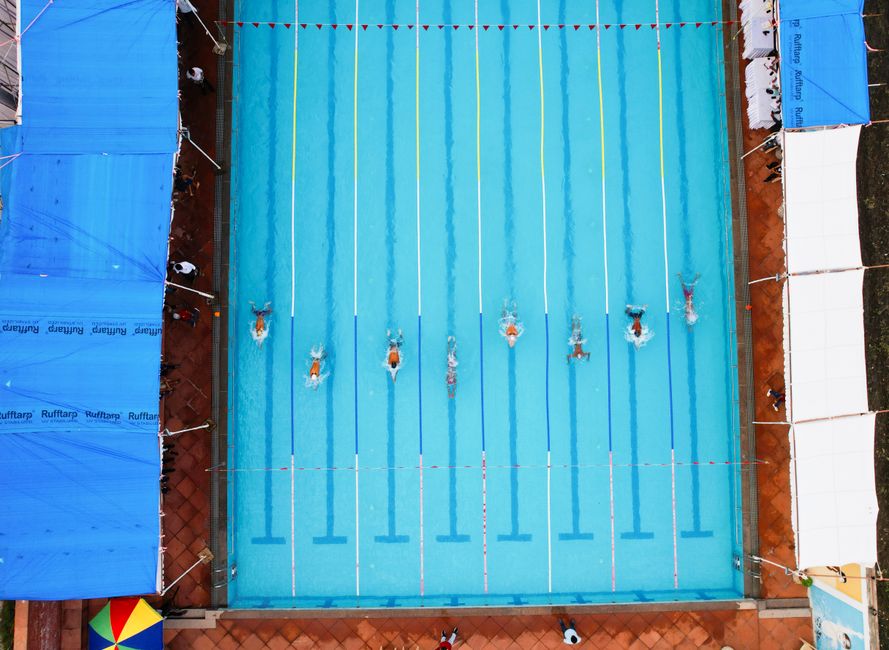
Water sports participation in Delhi has surged by nearly 43 per cent over the past three years, according to emerging data from the Delhi Sports Authority and private fitness operators across the city. The shift is reshaping conversations about fitness culture in a metropolis traditionally dominated by gym memberships and running clubs.
At the Delhi Swimming Association's facilities near India Gate, membership numbers have climbed from 1,200 active participants in 2023 to over 2,100 today. Similar trajectories are evident at the Talkatora Indoor Aquatic Centre in New Delhi and the newly renovated pools in Dwarka and Greater Noida, where waiting lists for swimming coaching have become commonplace during peak hours.
What makes this trend particularly significant is the demographic composition. Unlike previous decades when competitive swimming remained confined to elite circles and young athletes, current data reveals that 34 per cent of new aquatic facility members are adults aged 30-50, many citing health and recovery reasons rather than competitive ambitions. "We're seeing professionals from Connaught Place and residents of South Delhi neighborhoods like Defence Colony coming for water aerobics and recreational swimming," facility operators report.
The financial accessibility question is crucial. Private swimming clubs in central Delhi charge between ₹3,500 to ₹8,000 monthly for adult memberships, while municipal pools in Dwarka and Rohini operate at ₹800-1,500 monthly—a significant gap that still leaves many neighbourhoods underserved. Yet even at premium rates, occupancy at established centres remains consistently above 75 per cent, suggesting water activities are becoming embedded in Delhi's fitness consciousness.
Kayaking and stand-up paddleboarding clubs along the Yamuna have registered particularly explosive growth, with participation doubling since 2024, though water quality concerns continue to limit expansion. The Delhi Rowing Club at Old Delhi remains popular among serious athletes, while beginner-friendly paddling sessions now operate at multiple sites downstream.
What participation data ultimately reveals is a city in transition. Delhi's fitness culture, long characterised by individualistic gym culture and road running, is embracing the social, low-impact appeal of aquatic activities. This isn't merely about exercise trends—it signals broader shifts toward holistic wellness, accessibility consciousness, and community-based fitness in a city grappling with heat stress and air quality challenges.
Whether this momentum can be sustained depends on whether municipal authorities expand affordable public facilities and whether environmental initiatives improve water quality across the city's aquatic venues. For now, the numbers suggest Delhi's water sports story has only begun.
This article was compiled by AI from the sources linked above and screened before publishing. See our editorial standards.
How does this story make you feel?
Spread the word
About this article
Published by The Daily Delhi
Daily brief
Free, in your inbox before 7am. Weekdays.
More in Sport