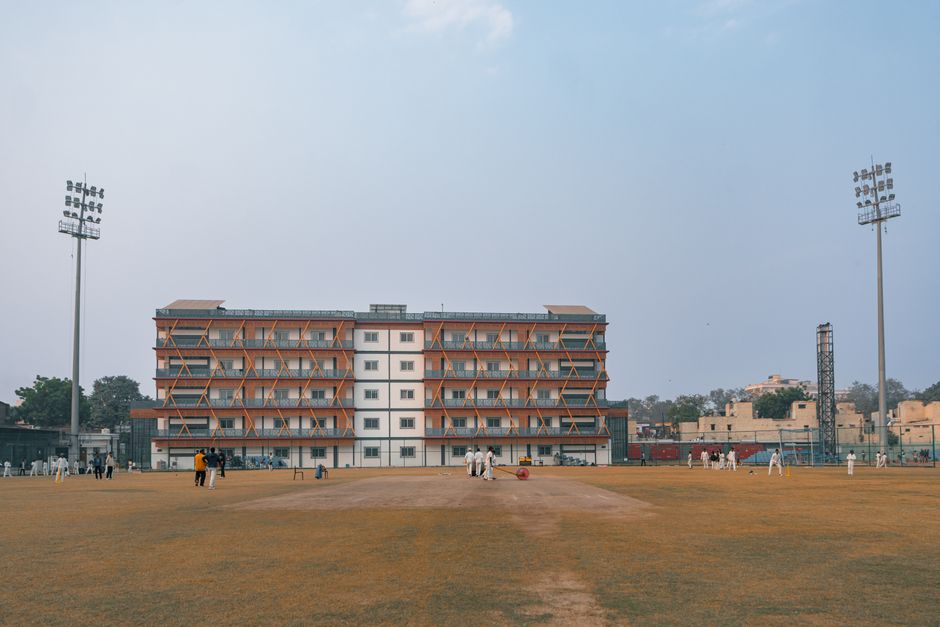
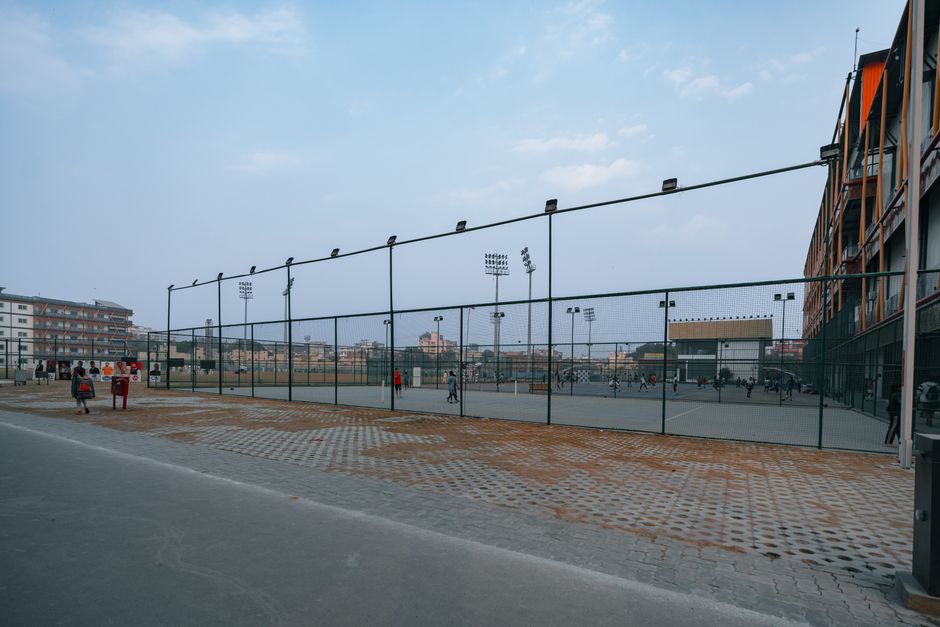
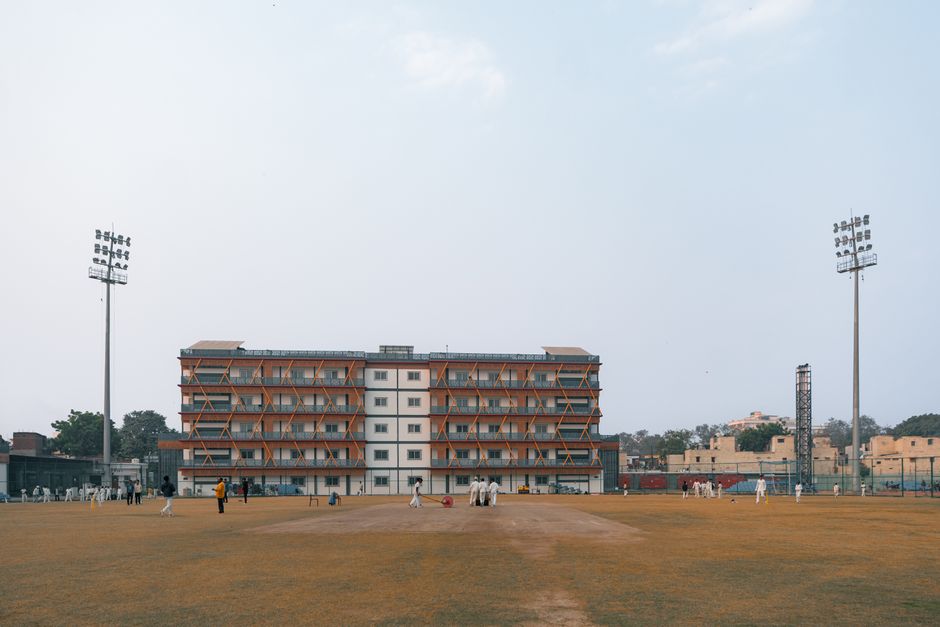
On any given evening in Sector 8 of Dwarka, dozens of children in mismatched jerseys crowd a concrete court behind the government school, chasing a badminton shuttle under flickering LED lights. This is not a headline-grabbing academy. There is no trophy case, no corporate sponsorship board. Yet here, in this modest community sports centre run entirely by local volunteers, lies the true engine of Delhi's youth sport revolution.
The grassroots movement reshaping sport across India's capital operates far from the gloss of professional franchises. Across neighbourhoods—from Rohini's municipal grounds to the cramped bylanes of Lajpat Nagar—small clubs have emerged as the backbone of talent development. These centres charge between ₹1,500 and ₹3,000 monthly, making sport accessible to families that cannot afford elite academy fees exceeding ₹50,000 annually.
The impact is quantifiable. According to Delhi's Sports Authority data, grassroots participation has surged 34 percent since 2023, with an estimated 45,000 youth now enrolled across badminton, cricket, kabaddi, and athletics clubs in residential neighbourhoods. What drives this growth is not infrastructure investment alone, but the human commitment of retired athletes, school teachers, and local entrepreneurs who staff these centres.
Consider the Delhi Badminton Grassroots Network, operating from eight community courts across east Delhi, or the kabaddi revival initiatives in outer Delhi's villages, where traditional sport has found new relevance among Gen-Z players. These are not franchise operations. Coaches often volunteer two to three evenings weekly. Equipment comes from donations or bulk purchases negotiated by determined administrators.
The challenges remain acute. Most grassroots venues operate without proper drainage, suffer erratic electricity supply, and lack professional physiotherapy support. Yet volunteers persist. In Mehrauli, a cricket coaching collective has built a functioning artificial pitch through crowdfunding. In Noida's periphery, badminton enthusiasts maintain courts through a WhatsApp-coordinated maintenance fund.
What distinguishes this movement is its democratic ethos. Unlike academy sport, which filters by talent early, grassroots clubs welcome all comers. A child from a defence colony apartment and one from a resettlement colony stand on equal footing. Monthly fees are negotiable for struggling families.
Sport administrators now recognize this layer's importance. Several state-level athletes have emerged from neighbourhood clubs, proving that talent development need not rely on expensive infrastructure. As Delhi's sport scene matures, it is these volunteer-run, community-centred spaces—not just the polished academies—that are democratizing opportunity and building the nation's sporting future from the ground up.
This article was compiled by AI from the sources linked above and screened before publishing. See our editorial standards.