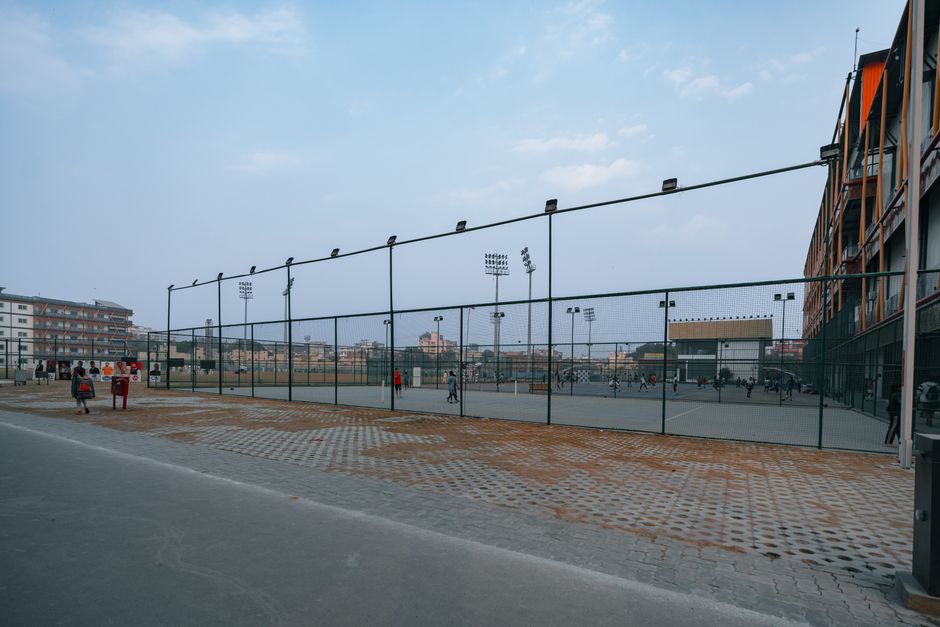
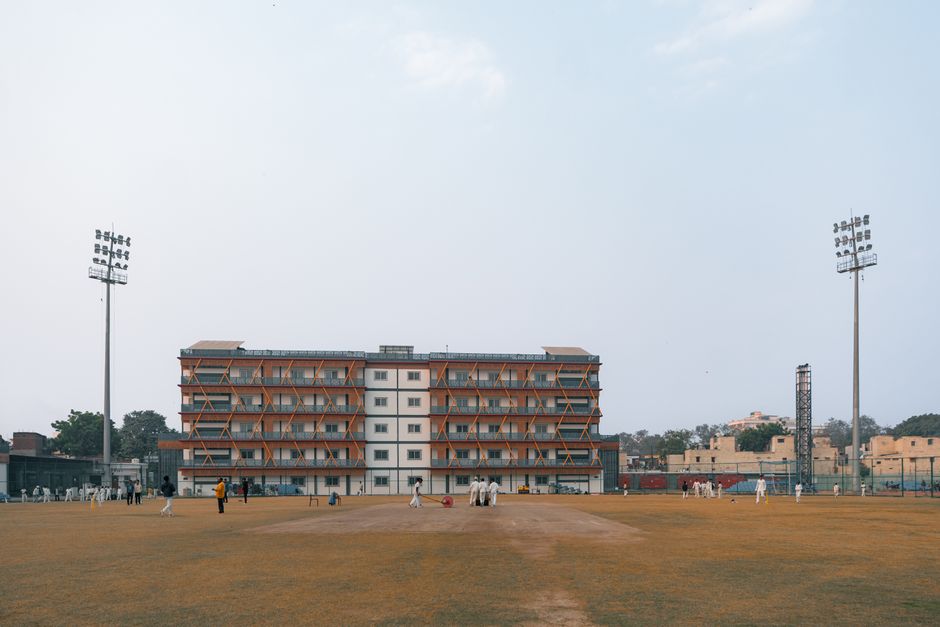
Walk into Fortis Fitness Club on the tree-lined stretch of August Kranti Marg in Vasant Kunj on any weekday morning, and you'll witness something Delhi's gym culture hasn't quite seen before: a coordinated ecosystem of 40-plus competitive athletes training in tandem, from badminton professionals to aspiring weightlifters, all operating under one strategic coaching framework.
The collective, which gained significant traction over the past 18 months, has quietly become the capital's most talked-about athletic community—not because of polished marketing, but because results speak louder than membership drives. Three members qualified for the National Games trials this year. Two more secured spots in the Commonwealth Youth Games selection camp. A semi-professional volleyball contingent from the club recently placed in the top eight at the Delhi State Championships.
"What started as a shared training space evolved into something more intentional," explains the facility's operational framework, which coordinates programming across disciplines. The club charges between ₹4,500 and ₹8,000 monthly for general membership, but elite athlete packages run higher, incorporating sport-specific coaching that once required athletes to hop between multiple locations across Delhi.
The shift reflects a broader reorientation in Delhi's fitness landscape. While commercial gyms have long dominated South and Central Delhi—from Connaught Place to Defence Colony—the Fortis model suggests a growing appetite for structured, performance-oriented training collectives rather than individualized fitness consumption. Industry data suggests gym memberships across metro Delhi have plateaued at roughly 2.3 million, but boutique athletic clubs targeting competitive athletes have grown 34% annually over the past three years.
Location matters. Vasant Kunj's proximity to both Delhi University's sports facilities and Indira Gandhi Stadium makes it a natural hub. The neighborhood, home to roughly 180,000 residents and a significant concentration of young professionals, has emerged as Delhi's quiet sports epicenter—overshadowed by media attention on elite national facilities, but increasingly where grassroots competitiveness actually happens.
The Fortis model hasn't invented anything revolutionary. What distinguishes it is systematic coordination: shared strength-and-conditioning protocols, nutritional guidance routed through a single consultant, and peer accountability structures that transform anonymous gym attendance into something resembling team culture. In a city where individual achievement metrics typically dominate, the psychological shift toward collective progress resonates with athletes fatigued by isolation.
As Delhi inches closer to hosting major sporting events and national trials, facilities like this will likely define which athletes rise to representation. For now, Fortis Fitness Club represents something worth watching—not because of flash, but because of the quiet, methodical architecture of competitive excellence taking root in South Delhi.
This article was compiled by AI from the sources linked above and screened before publishing. See our editorial standards.