Delhi's Grassroots Sports Clubs Are Thriving—and Building Something Bigger Than Medals
From badminton courts in Dwarka to cricket academies in Rohini, local clubs are becoming anchors of community identity and opportunity across the capital.
From badminton courts in Dwarka to cricket academies in Rohini, local clubs are becoming anchors of community identity and opportunity across the capital.
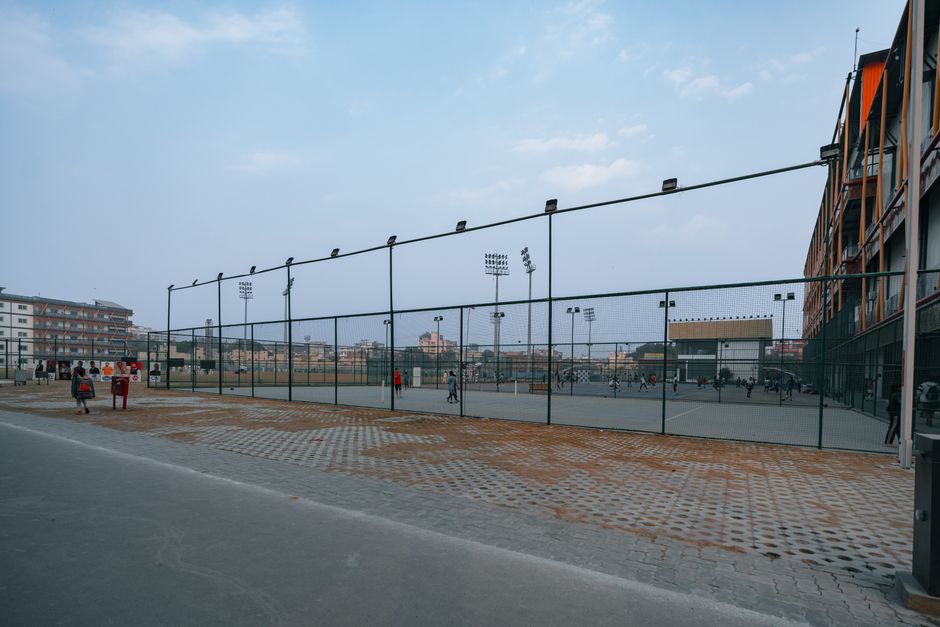
Walk into the sprawling grounds of the Delhi Lawn Tennis Association complex in Sector 4, Rohini, on any weekday evening, and you'll witness something quietly remarkable: dozens of children—many from middle-income families who couldn't otherwise afford formal coaching—chasing tennis balls under the Delhi sky. This scene, multiplied across dozens of neighbourhoods, tells the story of a grassroots sports revolution taking shape in India's capital.
The numbers speak volumes. According to the Delhi Sports Authority's 2025 annual report, registered grassroots sports clubs across the city have grown by 34% over the past three years, with participation among children aged 8-16 climbing to over 85,000. From Chandni Chowk's makeshift badminton courts to structured basketball programs in South Delhi's upscale enclaves, local clubs are no longer merely training grounds—they're becoming the sinew of community life.
Consider the rise of neighbourhood badminton clubs. In Dwarka's Sector 12, where outdoor space is at a premium, three private badminton courts now operate nightly coaching sessions at ₹400-600 per month per child—a fraction of what premium academies charge. These clubs have become social hubs where parents linger, relationships deepen, and young players find peer groups rooted in something healthy and constructive.
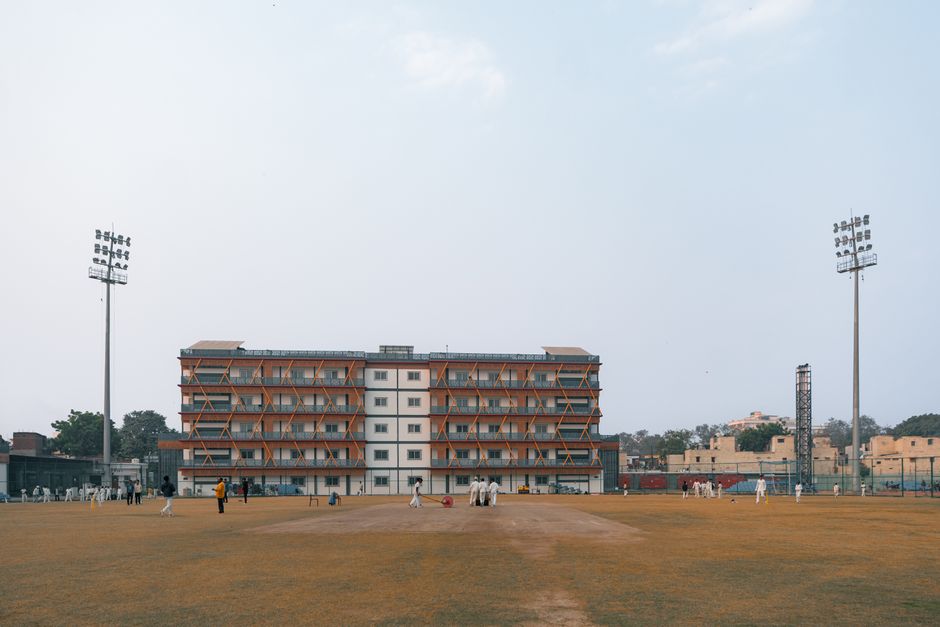
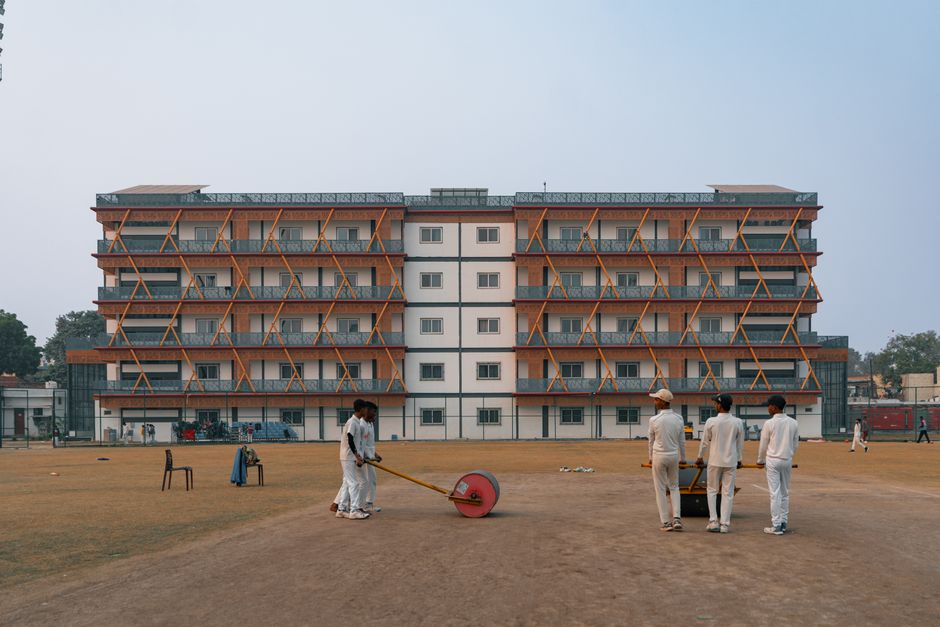
Cricket academies near the Arun Jaitley Stadium in Delhi Cantt and throughout East Delhi have similarly democratised access to formal training. The proliferation of small-scale, hyper-local clubs means talented kids no longer need to live near established facilities or navigate the Byzantine application processes of major institutes. Instead, they can walk to a neighbourhood ground and find a coach willing to invest in their development.
What makes this shift significant is the community dimension. These clubs are not corporate franchises; they're run by passionate individuals—often former athletes or dedicated enthusiasts—who see sports as pathways to discipline, confidence, and opportunity. In a city of 32 million, where loneliness and disconnection are modern maladies, such clubs are quietly stitching neighbourhoods together.
However, challenges persist. Many clubs operate on razor-thin margins, relying on volunteer labour. Infrastructure remains uneven: while Gurgaon Road has gleaming facilities, peripheral areas like outer Rohini and parts of North Delhi still lack basic amenities. Municipal support, when it arrives, is inconsistent.
Yet the momentum is undeniable. Delhi's grassroots clubs are proving that the future of Indian sport isn't built solely in elite academies or corporate training centres. It's being built every evening, in neighbourhood grounds and converted warehouse spaces, where young Delhiites discover what they're capable of—and where communities rediscover themselves in the process.
This article was compiled by AI from the sources linked above and screened before publishing. See our editorial standards.
How does this story make you feel?
Spread the word
About this article
Published by The Daily Delhi
Daily brief
Free, in your inbox before 7am. Weekdays.
More in Sport