Delhi's fitness landscape has undergone a seismic shift over the past five years, with purpose-built gyms and training facilities now anchoring a culture that extends far beyond traditional body-building establishments. The infrastructure boom reflects not just growing health consciousness among the city's young professionals, but a fundamental reimagining of how urban sport is practised and accessed.
The proliferation of high-specification facilities tells the story. In South Delhi's Hauz Khas enclave, multi-storied complexes now offer everything from Olympic lifting platforms to functional training zones, with membership fees ranging between ₹3,000 to ₹8,000 monthly. Meanwhile, Sector 18 in Noida has emerged as a CrossFit hub, hosting at least a dozen specialized boxes catering to the functional fitness segment—a discipline that barely existed in Delhi a decade ago. The Connaught Place area, traditionally dominated by older establishments, has seen renovation drives transforming tired gyms into contemporary training spaces equipped with smart tracking systems and AI-assisted coaching.
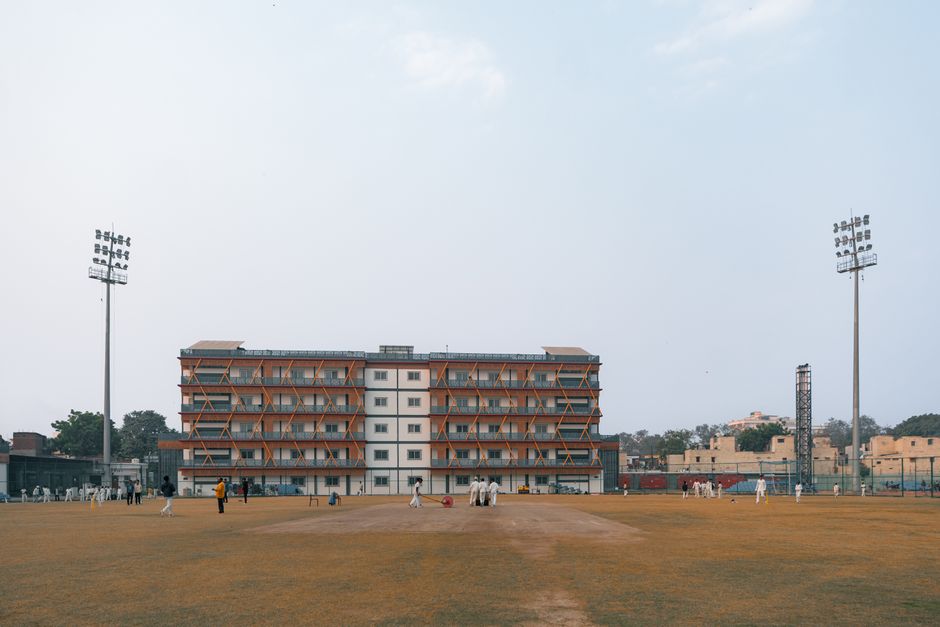
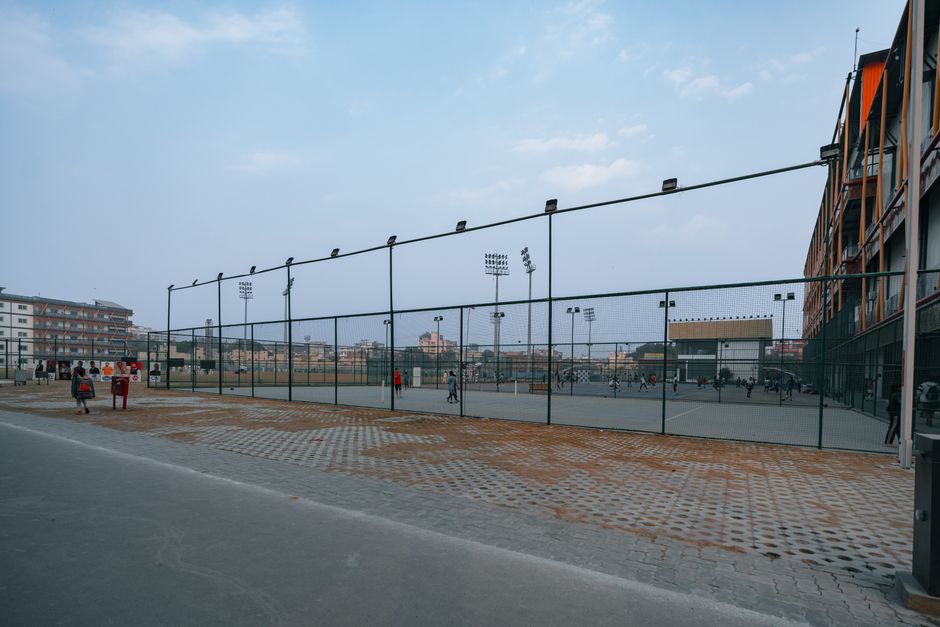
Beyond commercial venues, institutional infrastructure tells an equally compelling narrative. Delhi University's sports complex at North Campus, recently upgraded with new cardio equipment and strength training zones, now serves dual purposes: training elite athletes while providing affordable access for students at nominal fees. Similarly, the Delhi Sports Authority's facilities across multiple centres—including the sprawling complex near India Gate—have added modern equipment lines, though infrastructural gaps remain a concern for serious athletes seeking training quality comparable to international standards.
The shift towards specialized facilities has also democratized certain training modalities. Boxing clubs in Chandni Chowk and Malviya Nagar, once niche spaces, now attract corporate professionals seeking high-intensity workouts. Yoga and functional movement studios have exploded across GK-I, Defence Colony, and East Delhi neighbourhoods, with membership costs averaging ₹2,000-₹5,000 monthly.
However, accessibility remains stratified. While premium facilities cluster in affluent zones, vast sections of Delhi still lack adequate sporting infrastructure. Government-run centres struggle with maintenance and equipment obsolescence, creating a two-tier system where wealth determines training quality. The city's eastern and northern regions particularly show this gap.
Industry observers note that Delhi's fitness sector, valued at approximately ₹1,200 crore annually, continues expanding. New openings average 15-20 facilities monthly across NCR regions. What's driving this isn't just vanity—it's professional necessity. As remote work and desk jobs dominate employment, fitness infrastructure has become essential urban infrastructure, not luxury amenity.
Whether Delhi's facilities can sustain this growth while extending equitable access remains the real test.
This article was compiled by AI from the sources linked above and screened before publishing. See our editorial standards.