Delhi's Amateur Sports Leagues Struggle as Aging Facilities Face Capacity Crisis
From Lodhi Gardens to Vasant Kunj, recreational clubs say crumbling courts and limited grounds are hampering grassroots sport growth across the capital.
From Lodhi Gardens to Vasant Kunj, recreational clubs say crumbling courts and limited grounds are hampering grassroots sport growth across the capital.
Delhi's weekend warriors face an increasingly familiar frustration: waiting months for court time. As amateur badminton, tennis, and cricket leagues proliferate across the capital, the infrastructure supporting recreational sport has failed to keep pace, creating a bottleneck that threatens to stall grassroots participation.
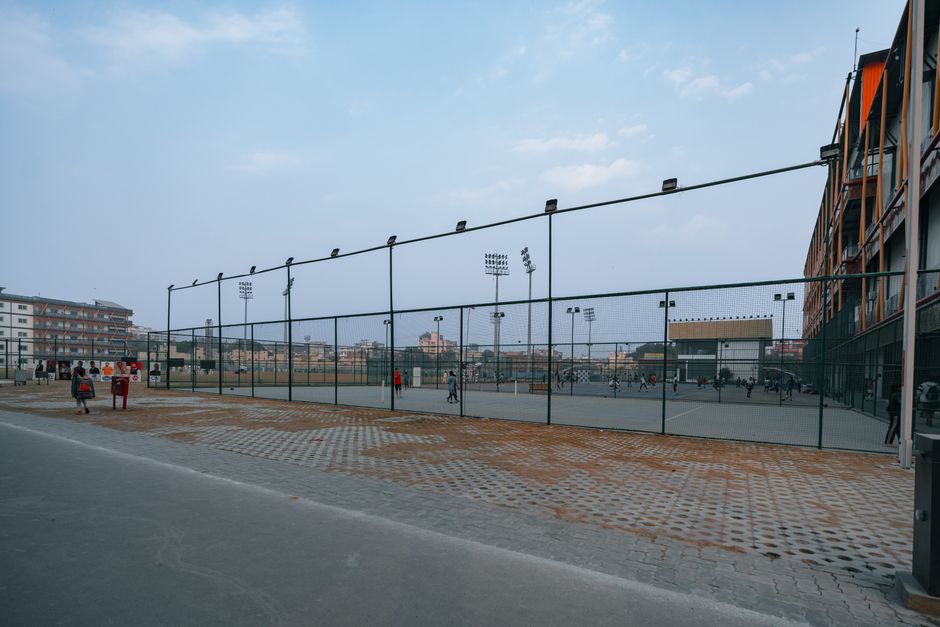
The problem is particularly acute in South Delhi, where clubs like those operating from the Talkatora Sports Complex in New Delhi report booking delays extending to three months during peak seasons. "We have 12 courts here, but we're managing requests from over 80 registered club teams," says one facility administrator. The complex, a Delhi government venue near Lodhi Road, represents the type of aging infrastructure that dominates the city's recreational sport landscape. Built primarily in the 1980s and 1990s, many municipal and state-run facilities show visible wear.
Private clubs in Vasant Kunj and Defence Colony have partly filled this gap, offering modern amenities—LED-lit courts, climate control, and digital booking systems—but at a premium. Monthly membership fees range from ₹8,000 to ₹25,000, pricing out middle-class participants who fueled the city's badminton boom over the past decade. A 2024 survey by the Delhi Sports Authority indicated that 64% of amateur league players train at public facilities, yet only 31% reported satisfaction with court conditions.
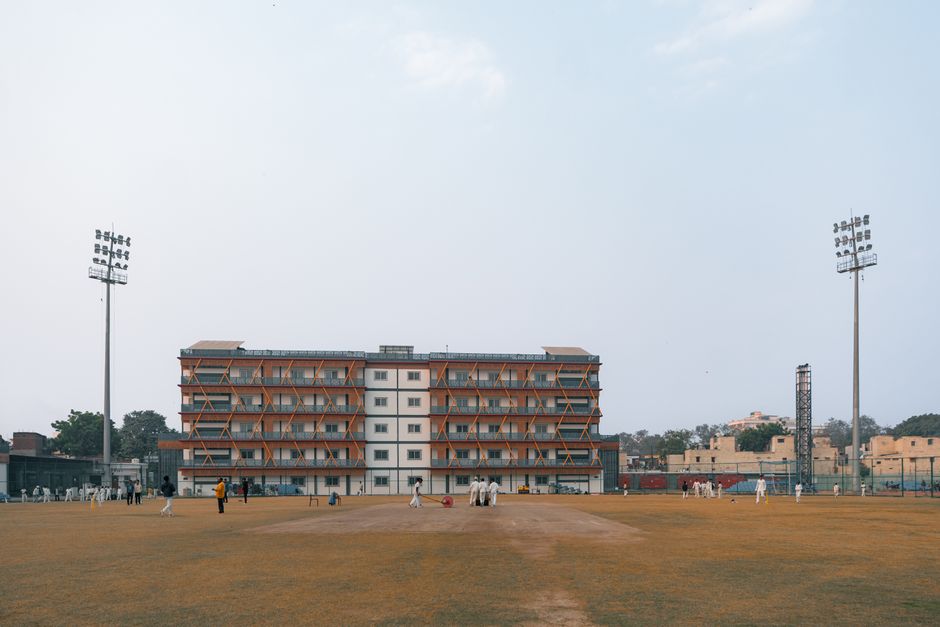
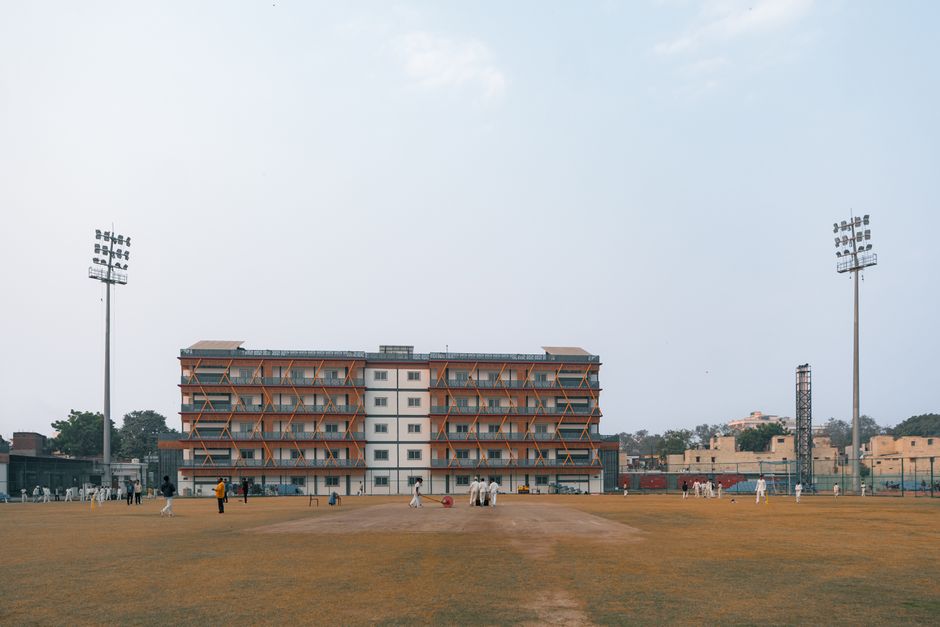
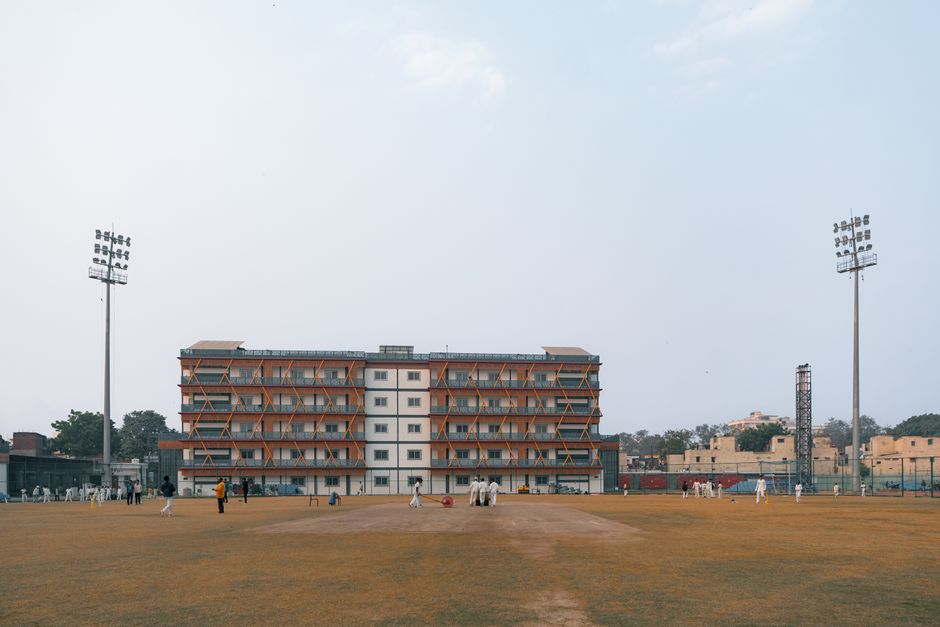
Cricket presents another challenge. The Arun Jaitley Stadium and Delhi Gymkhana grounds in Central Delhi host elite matches, but amateur clubs depend on scattered grounds in Malviya Nagar, Mehrauli, and outlying areas. Many lack proper drainage systems—during monsoon, several grounds become unusable, forcing leagues to reschedule fixtures across already congested calendars.
Some progress is visible. The Delhi government's recent renovation of courts near ITO has improved conditions for kabaddi and volleyball leagues, while the Indira Gandhi Indoor Stadium in New Delhi hosts table tennis and badminton tournaments. However, investment remains inconsistent. Municipal Corporation of Delhi (MCD)-run facilities in East and North Delhi receive fewer upgrades than South Delhi venues, creating geographical inequality in amateur sport access.
Enthusiasts and club administrators increasingly advocate for a dedicated amateur sports infrastructure fund. "If Delhi is serious about grassroots participation, we need 40-50 new dedicated facilities across peripheral zones," suggests one long-serving tournament organiser. Until then, Delhi's recreational sports leagues will continue navigating a landscape where quality infrastructure remains a privilege rather than a right.
This article was compiled by AI from the sources linked above and screened before publishing. See our editorial standards.
How does this story make you feel?
Spread the word
About this article
Published by The Daily Delhi
Daily brief
Free, in your inbox before 7am. Weekdays.
More in Sport