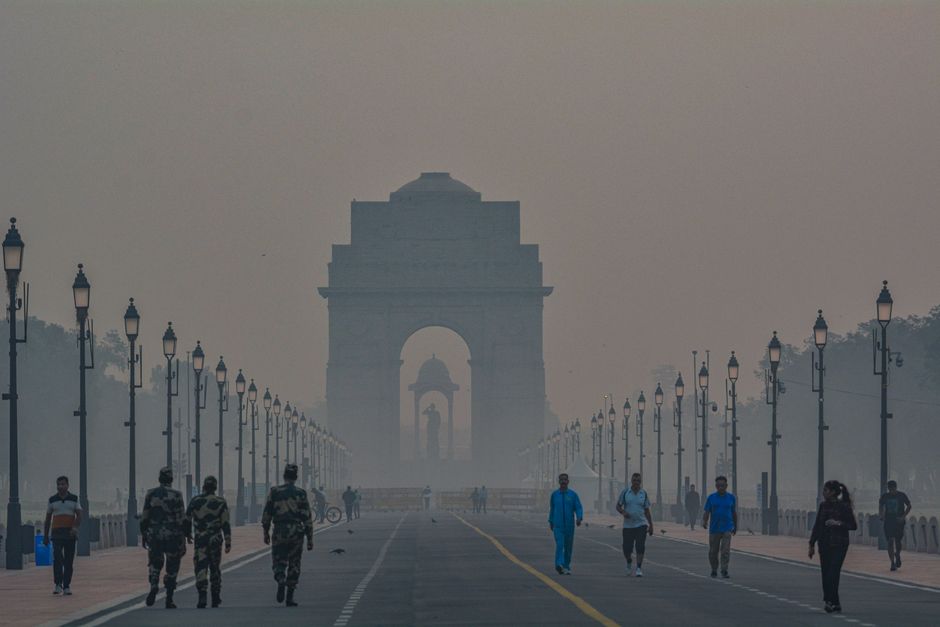
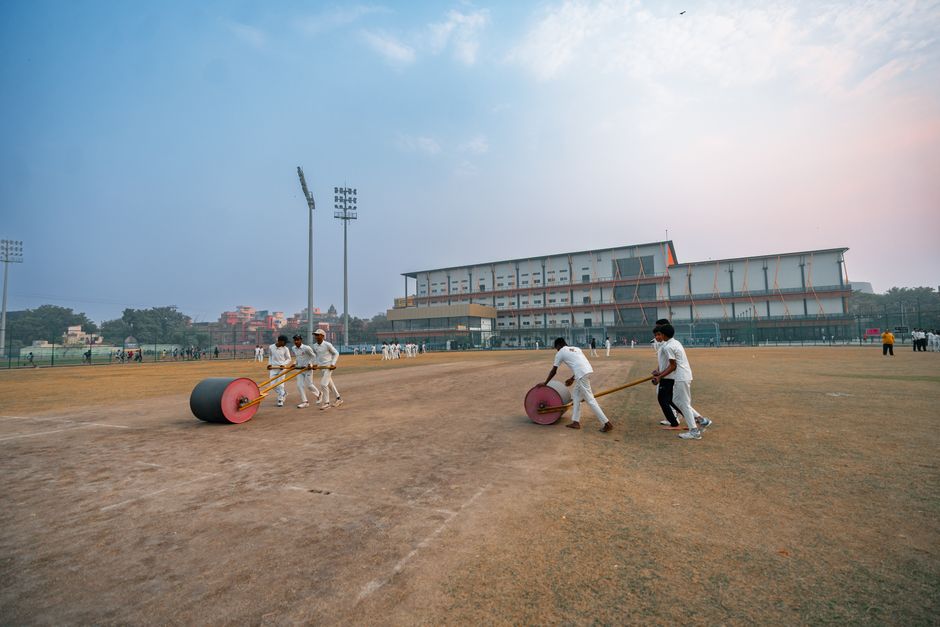
Walk through the bylanes of Dwarka on any weekday evening and you'll spot them: clusters of teenagers chasing footballs across dusty grounds, badminton shuttles arcing beneath jury-rigged nets, young boxers shadowboxing in cramped gymnasiums. Delhi's grassroots sports ecosystem is thriving in spirit, but gasping under the weight of inadequate infrastructure.
The numbers tell a sobering story. Across Delhi's 11 districts, roughly 340 registered sports clubs serve a youth population exceeding 8 million, yet fewer than 60 possess courts or grounds meeting official sporting standards. At the Rajendra Nagar Sports Complex in East Delhi, membership fees start at ₹2,500 annually—a barrier for families in working-class neighbourhoods—while booking a badminton court costs ₹400 per hour. Similar rates plague facilities in Noida Vihar and parts of South Delhi.
Consider the infrastructure landscape. The Delhi Sports Authority maintains 53 stadiums and sports complexes, but many date to the 1980s and 1990s. Concrete cracks in the synthetic courts at Talkatora Stadium, floodlights at Siri Fort Sports Complex flicker inconsistently, and municipal grounds in Mehrauli and Chhatarpur remain waterlogged for months during monsoon season. Private ventures have filled some gaps—the proliferation of franchise badminton academies in Gurgaon Road and South Extension has created pockets of excellence—but these remain inaccessible to most neighbourhood children.
Yet pockets of innovation offer hope. The Yamuna Sports Complex in Shahdara has recently introduced subsidised youth programmes, cutting fees by 40 percent for under-18 athletes from low-income households. Several colonies in West Delhi—Rajouri Garden, Mehrauli, and parts of Defence Colony—have restored community grounds through crowdfunding initiatives, creating modest but functional cricket pitches and volleyball courts.
The real challenge lies in the middle. Delhi needs roughly 200 additional mini-stadiums with basic infrastructure—covered badminton courts, floodlit basketball courts, synthetic athletic tracks—strategically distributed across less affluent zones. Current municipal budgets allocate ₹15 crore annually to grassroots sports infrastructure, a figure that hasn't meaningfully increased in five years despite rapid urbanisation and rising participation.
Young athletes in South Delhi's leafy neighbourhoods enjoy immaculate facilities; their counterparts in Sangam Vihar, Kalkaji, or outer Dwarka improvise on potholed grounds. This infrastructure divide is quietly determining Delhi's sporting future, filtering talent based on postal codes rather than potential.
The path forward demands coordinated investment: public-private partnerships, transparent allocation processes, and recognition that grassroots infrastructure is as vital as elite training centres. Delhi's next Olympic medalist might already be playing on a broken court somewhere. The question is whether the city will invest in finding them.
This article was compiled by AI and screened before publishing. See our editorial standards.