Delhi's Stadiums Are Packed — But the Numbers Tell a More Complicated Story About Who's Actually Getting Fit
New participation data from the capital's major sporting venues reveals a city straining toward fitness, but unevenly and on its own terms.
New participation data from the capital's major sporting venues reveals a city straining toward fitness, but unevenly and on its own terms.
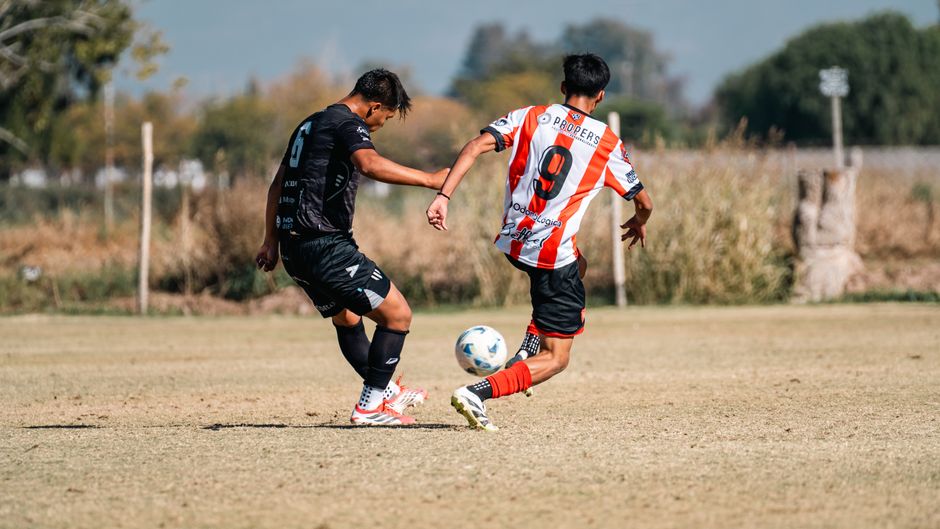
Jawaharlal Nehru Stadium logged over 1.2 million individual entry visits in the 12 months ending June 2026 — a record for the Lodhi Road complex since its post-Commonwealth Games refurbishment. Impressive on paper. Look closer and the picture shifts considerably.
The surge matters right now because Delhi's Sports Authority is mid-way through its five-year infrastructure plan, which earmarked ₹847 crore for venue upgrades between 2024 and 2029. Whether that money is translating into genuine fitness participation — rather than just spectator footfall and weekend cricket bookings — is the question administrators are increasingly being pressed to answer.
The data, compiled across 11 major venues by the Delhi Sports Council and shared with local reporters this week, draws a sharp line between passive attendance and active use. Spectator events at the Indira Gandhi Stadium complex in Pragati Maidan account for roughly 60 percent of all visits logged at flagship venues. Strip those out, and active participation — organised sport, coached fitness sessions, community athletics — accounts for just under 490,000 sessions city-wide for the year. For a metropolitan population of over 32 million, that works out to roughly one structured fitness session per 65 residents over twelve months.
The Thyagraj Sports Complex in Friends Colony West is one venue bucking the trend. Its six synthetic courts and 400-metre tartan track have seen consistent morning-session bookings since the complex expanded its community fitness programming in January 2026. Track slots between 5:30 a.m. and 7:30 a.m. are booked out three weeks in advance, and monthly membership — pegged at ₹1,200 since April — has a waitlist of over 400 people. That specific demand tells you something real: early-morning fitness is serious business in South Delhi, especially among residents priced out of private gym chains charging ₹4,000 to ₹6,000 a month.
The Siri Fort Sports Complex in the Khel Gaon area shows a different pattern. Badminton and squash dominate there, with over 78,000 court-hours booked in the first half of 2026 alone. Aquatic centre usage, by contrast, has stalled — only around 12 percent of available swimming lane-hours were filled in June, partly because the facility's public access hours were cut to manage maintenance costs. The pool sits 400 metres from the upscale apartment towers of Panchsheel Park, yet remains structurally inaccessible to most of the neighbourhood's domestic workers and informal economy employees who don't have the documentation currently required for membership registration.
The broader picture across Delhi's venues is one of concentrated enthusiasm in certain postal codes and persistent vacancy elsewhere. The Yamuna Sports Complex in Shahdara, which serves East Delhi's densely populated working-class districts, ran at roughly 34 percent capacity in the April-June quarter — this despite being one of the few large public sporting facilities north of the Yamuna accessible by metro from Dilshad Garden station. The Delhi Sports Council's own participation target for 2026 was 600,000 active sessions; the current trajectory puts the city roughly 18 percent short.
Part of the problem is structural. India's National Sports Development Fund released a report in March 2026 noting that venue awareness remains low even 500 metres from major complexes. The Shyama Prasad Mukherjee Swimming Pool at ITO, a facility with eight lanes and coaching staff on-site five days a week, averaged just 41 registered users daily in May — a month when heat-related illness hospitalisations in the capital crossed 1,100 cases, according to Delhi Health Department figures. The logic writes itself: the infrastructure for water-based relief exists; the cultural habits and administrative onboarding processes to use it do not yet align.
For Delhiites looking to engage with the city's public sporting infrastructure before the monsoon makes outdoor exercise difficult, the Delhi Sports Council's online booking portal — relaunched in February 2026 — now covers 23 venues and accepts UPI payments. Walk-in registration at Thyagraj, Siri Fort, and the Talkatora Stadium in central Delhi remains available on weekday mornings. The harder fix — building fitness habits in the eastern and northern districts where facilities are older and less connected to public transit — will take more than a portal. The city's data says it knows this. Closing the gap is the next test.
How does this story make you feel?
Spread the word
About this article
Published by The Daily Delhi
Daily brief
Free, in your inbox before 7am. Weekdays.
More in Sport


