Delhi's Remote Work Revolution: Promise Meets Peril as Coworking Spaces Reshape Labour Rights
As flexible workspaces proliferate across Gurgaon and central Delhi, tech workers face new vulnerabilities—and employers exploit regulatory grey zones.
As flexible workspaces proliferate across Gurgaon and central Delhi, tech workers face new vulnerabilities—and employers exploit regulatory grey zones.
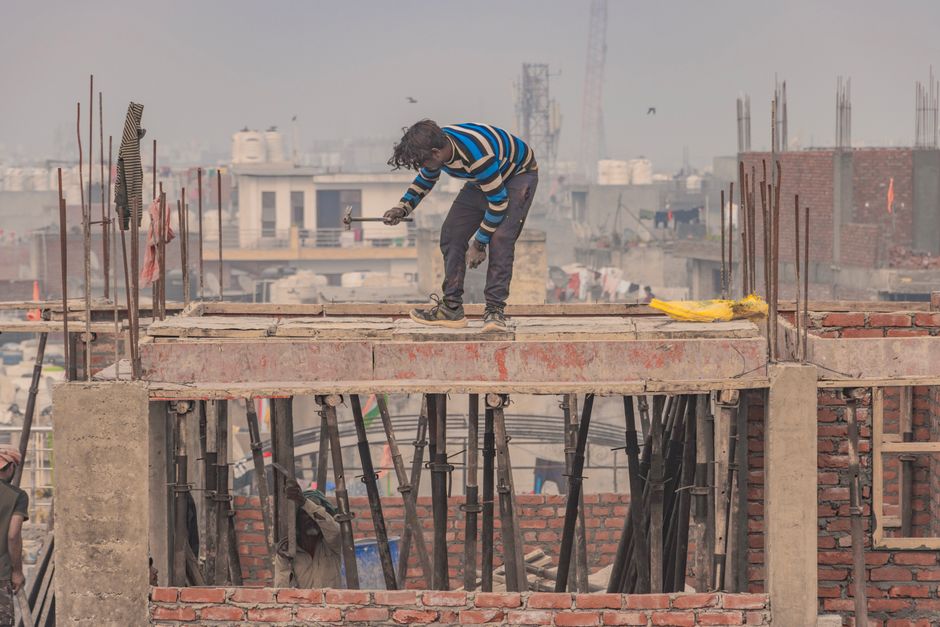
Walk into any coworking space in DLF Cyber City or around Okhla Industrial Estate these days, and you'll witness Delhi's work culture in flux. By 2026, the national coworking market has expanded to over 3,500 spaces, with Delhi-NCR accounting for roughly 40 percent. On the surface, this looks like progress: flexibility, community, escape from stifling cubicles. The reality is far messier.
The promise is real enough. A software developer in Gurgaon no longer needs to commute two hours to Bangalore. A freelance designer in South Delhi can rent a hot desk on Institutional Area for ₹8,000-12,000 monthly. Mid-size startups avoid massive real estate commitments. But this liberation comes with hidden costs that Delhi's booming tech sector has largely swept aside.
Labour protections evaporate in these spaces. A worker using a coworking membership doesn't qualify as a formal employee—they're a "member." Health insurance? Gratuity? Provident fund contributions? These vanish into contractual ambiguity. The National Association of Software and Service Companies estimates that 30 percent of Delhi's tech workforce now operates in some form of informal arrangement, working from coworking hubs or home offices without statutory protections.
Data security presents another unexamined risk. Researchers at Delhi University's Centre for Policy Studies found that 67 percent of coworking spaces in the city lack adequate cybersecurity protocols. Client information, proprietary code, and personal financial data sit exposed on shared networks. A financial services employee working from a Connaught Place coworking space recently discovered their company's confidential reports accessible to neighbouring members.
Then there's the wellness question. Coworking evangelists celebrate "community and collaboration," but mental health professionals in Delhi report rising anxiety among remote workers: isolation masked by open office theatres, blurred work-life boundaries, and the constant pressure to appear productive in shared spaces. The lack of employer oversight also means no occupational health monitoring.
Perhaps most troubling is the regulatory gap. Delhi's labour department has no clear framework for coworking spaces. Are they co-employers? Service providers? The ambiguity allows operators to sidestep responsibility while workers lack recourse. A heated dispute between a member and a space operator in Bangalore recently went unresolved for months due to jurisdictional confusion.
The future of work in Delhi needn't be either/or. But without deliberate policy intervention—updated labour codes, mandatory cybersecurity standards, and transparent member agreements—the city risks building a digital precariat that exchanges office drudgery for institutional vulnerability. Progress requires protection.
This article was compiled by AI and screened before publishing. See our editorial standards.
How does this story make you feel?
Spread the word
About this article
Published by The Daily Delhi
Daily brief
Free, in your inbox before 7am. Weekdays.
More in