Delhi's Smart City Dream: Who Pays the Price for Digital Progress?
As the capital races to digitise governance and infrastructure, residents and experts warn that convenience for some may mean surveillance and displacement for others.
As the capital races to digitise governance and infrastructure, residents and experts warn that convenience for some may mean surveillance and displacement for others.
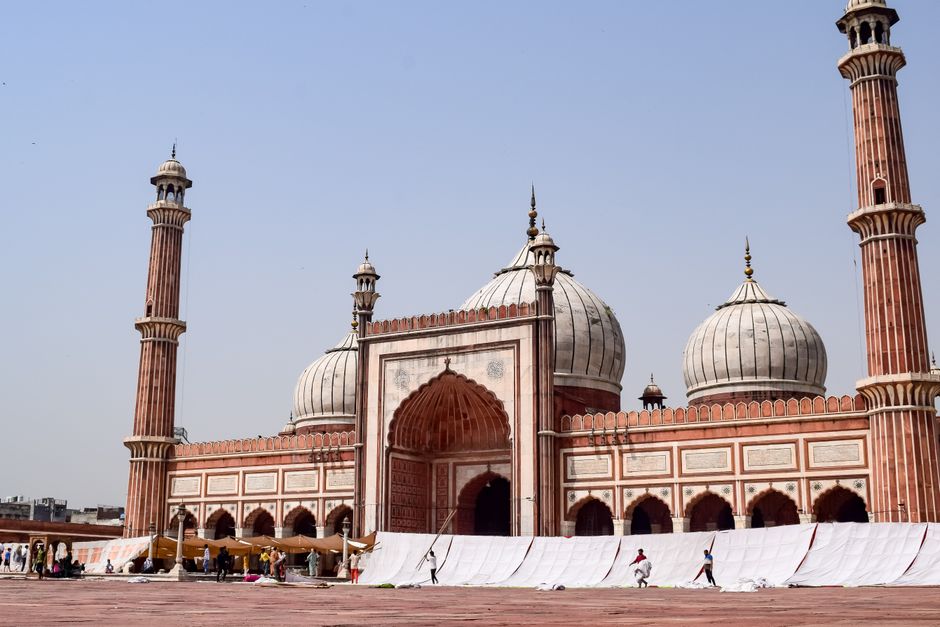
Walk through Connaught Place on any weekday and you'll see the infrastructure of Delhi's digital ambitions: integrated traffic management systems, QR-code-enabled parking, real-time air quality monitoring feeds. The National Capital Region's push to become a 'smart city' is undeniably impressive in scope. Yet beneath the gleaming promise of efficiency and connectivity lies a more complicated reality that city planners, technologists, and residents are only beginning to grapple with.
The Delhi Smart City Mission, backed by significant central government funding, has already deployed thousands of IoT sensors across neighbourhoods from South Delhi to Dwarka. Traffic lights synchronise with smartphone apps. Municipal services track complaints through digital platforms. On paper, it works. But the human cost remains underexamined.
Consider the data question. As sensors multiply across Rajpath, Khan Market, and Old Delhi's narrow lanes, who owns the information being collected? Privacy advocates point out that many residents haven't consented to continuous monitoring of their movements, purchasing patterns, and digital footprints. The absence of clear data governance frameworks—particularly around consent and data retention—leaves citizens in the dark about what information is being harvested and for what purposes.
Then there's the displacement factor. As digital infrastructure improves property values, informal settlements in areas like Badarpur and Chhatarpur face increased pressure. Street vendors who once navigated Delhi's economy through informal networks now find themselves required to integrate into digital payment systems and licensing regimes they neither understand nor can easily afford. The cost of digital inclusion, paradoxically, has become a barrier to participation.
The technical debt is equally troubling. Several municipal departments still operate on legacy systems incompatible with newer smart city infrastructure. Integration failures have led to data silos and wasted investment—estimates suggest nearly ₹400 crore in unused smart city projects across Indian metropolitan regions. Delhi cannot afford similar waste at a time when basic services remain patchy.
Perhaps most pressing is the equity question. Smart city benefits concentrate in affluent zones like Greater Noida and parts of East Delhi, while marginalised communities in resettlement colonies receive minimal digital infrastructure investment. This deepens existing inequality rather than solving it.
To its credit, Delhi's municipal corporations have begun consulting with civil society groups and residents. But these conversations must deepen. Without explicit frameworks around data rights, inclusion design, and transparent governance, Delhi risks building a smart city that works brilliantly for some while quietly excluding others. Progress isn't measured only in sensors deployed or apps launched—it's measured in who benefits and who bears the cost.
This article was compiled by AI and screened before publishing. See our editorial standards.
How does this story make you feel?
Spread the word
About this article
Published by The Daily Delhi
Daily brief
Free, in your inbox before 7am. Weekdays.
More in