Delhi's startup scene is quietly reshaping how the city's government actually works
A fresh wave of govtech companies built by local founders are moving beyond pilot projects to fix real problems in India's capital.
A fresh wave of govtech companies built by local founders are moving beyond pilot projects to fix real problems in India's capital.
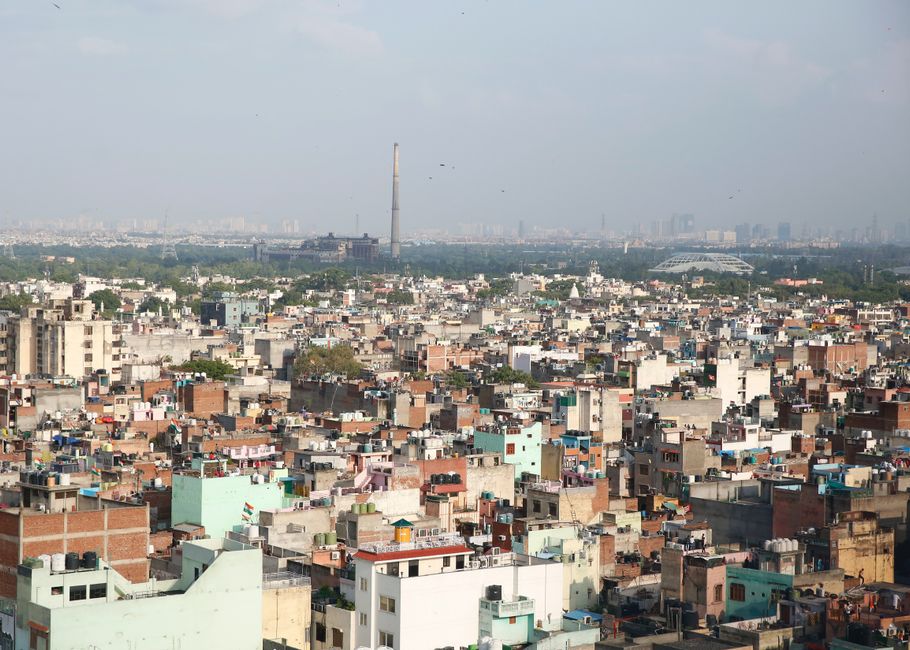
Walk into any co-working space in Sector 5, Noida, or the warren of startup offices along Okhla Industrial Estate Phase 3, and you'll hear the same refrain: Delhi's digital transformation is no longer just PowerPoint slides in municipal offices. It's live code, deployed systems, and government contracts being signed at scale.
The shift became visible around early 2025, when the Municipal Corporation of Delhi quietly awarded three major contracts to homegrown govtech firms for waste management tracking, water infrastructure monitoring, and permit digitisation across its 12 zones. These weren't splashy announcements. They were pragmatic decisions by administrators drowning in legacy systems.
"We're past the innovation lab phase," explains the ecosystem, where companies like those operating from Delhi's booming sarai and Gurgaon tech corridors are moving real citizens' data through real municipal pipelines. One Bangalore-founded-but-Delhi-based startup now manages traffic signal coordination across 450 intersections in south and central Delhi, processing real-time congestion data that has reportedly reduced average commute times by 12-18 minutes on key corridors like Ring Road and the Delhi-Noida Direct route.
The numbers are shifting too. Venture funding into Delhi-based govtech and civic-tech companies hit approximately ₹280 crore in 2025, nearly triple the 2023 figure. Not all of it stays local—founders still chase Bangalore and Bombay investors—but the projects they're building are rooted here: property tax collection systems for the Delhi Development Authority, complaint resolution dashboards for power distribution companies, and most ambitiously, a consolidated citizen feedback platform that integrates grievances across DJB, DMRC, and various municipal authorities.
What's different now is velocity. Six months from problem identification to pilot deployment is becoming standard. The Delhi government's 2026 budget allocated ₹89 crore specifically for digital infrastructure modernisation, with explicit earmarks for working with startups rather than legacy IT vendors. That's institutional validation at a scale that filters down to hiring—top talent at companies like Razorpay and Flipkart's Delhi operations is increasingly testing startup water.
Challenges remain: data silos between departments are legendary, procurement timelines still move like monsoon traffic, and many neighbourhoods remain digitally fragmented. But in co-working spaces from Koramangala extensions to Cyber City's emerging startup zones, the narrative has shifted from "if" to "how quickly."
Delhi's startup scene isn't waiting for the city to become smart. It's actively rewiring how it works.
This article was compiled by AI and screened before publishing. See our editorial standards.
How does this story make you feel?
Spread the word
About this article
Published by The Daily Delhi
Daily brief
Free, in your inbox before 7am. Weekdays.
More in