Delhi's Fintech Giants Map Out Next Wave: What's Coming ...
From AI-powered credit scoring to blockchain settlements, The Daily Delhi explores the roadmap products reshaping how India's capital manages money.
From AI-powered credit scoring to blockchain settlements, The Daily Delhi explores the roadmap products reshaping how India's capital manages money.
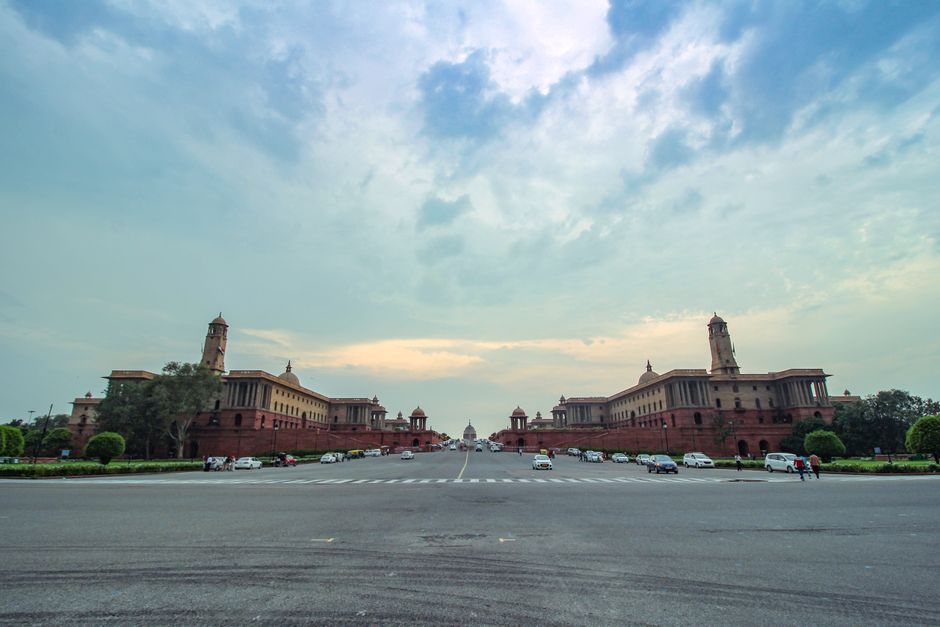
The glass-walled offices stretching across Cyber City in Gurgaon and the startup clusters huddled in co-working spaces near Connaught Place are buzzing with activity. Delhi's fintech ecosystem—valued at roughly $18 billion as of last year—is preparing for its most ambitious product launches since the UPI revolution. What's coming next will reshape how millions of Indians bank, borrow, and invest.
Industry insiders speaking at last month's FinTech Summit near India Gate revealed a consistent theme: the next frontier is embedded finance and hyperlocal credit systems. Several Delhi-headquartered platforms are quietly building "banking-as-a-service" infrastructure designed specifically for neighbourhood merchants in Chandni Chowk, small business owners in South Delhi's commercial hubs, and gig workers across the National Capital Region. These products aim to reduce approval times from days to minutes using alternative data—delivery history, mobile recharge patterns, social network behaviour—rather than traditional credit scores.
Blockchain-based settlement rails are also gaining traction. Three major players operating from office parks in Noida's Sector 62 are developing permissioned ledger systems to enable instant inter-bank transfers, targeting a launch by Q4 2026. For a city where informal money transfers between traders still happen over phone calls, this represents a seismic shift toward transparency and speed.
The AI credit story is particularly significant. Rather than relying solely on CIBIL scores—which exclude roughly 200 million Indians—next-generation platforms are training machine learning models on anonymised transaction data from existing users. Beta testing across select branches in East Delhi and Greater Noida has shown approval rates jumping 35-40% while maintaining similar default ratios.
Consumer-facing products are equally ambitious. Wealth management tools tailored for Delhi's aspirational middle class—targeting the 15-20 lakh household income bracket concentrated in areas like Dwarka and Indirapuram—are launching with AI-driven portfolio recommendations and micro-investment options starting at ₹100. Micro-pension products designed for informal workers, another gap in the market, are expected by early 2027.
Regulatory support has been critical. RBI's recent framework clarifications on open banking and tokenisation have accelerated product timelines significantly. The Payments and Banking Technology Association, headquartered near Delhi University, reports that product development cycles have compressed by 30-40% compared to three years ago.
The competitive intensity is fierce but healthy. Where five years ago Delhi's fintech scene was dominated by a handful of unicorns, today over 150 active startups are building pieces of the financial infrastructure puzzle. Not all will survive, but the ecosystem's collective output—accessible credit, instant settlements, personalised wealth management—will reshape daily financial life for India's capital and far beyond.
This article was compiled by AI and screened before publishing. See our editorial standards.
How does this story make you feel?
Spread the word
About this article
Published by The Daily Delhi
Daily brief
Free, in your inbox before 7am. Weekdays.
More in