Delhi's Startup Boom Is Hiring: \1's What Job Seekers ...
As venture capital floods India's capital, professionals chasing startup salaries face a volatile market where equity promises don't always pay off.
As venture capital floods India's capital, professionals chasing startup salaries face a volatile market where equity promises don't always pay off.
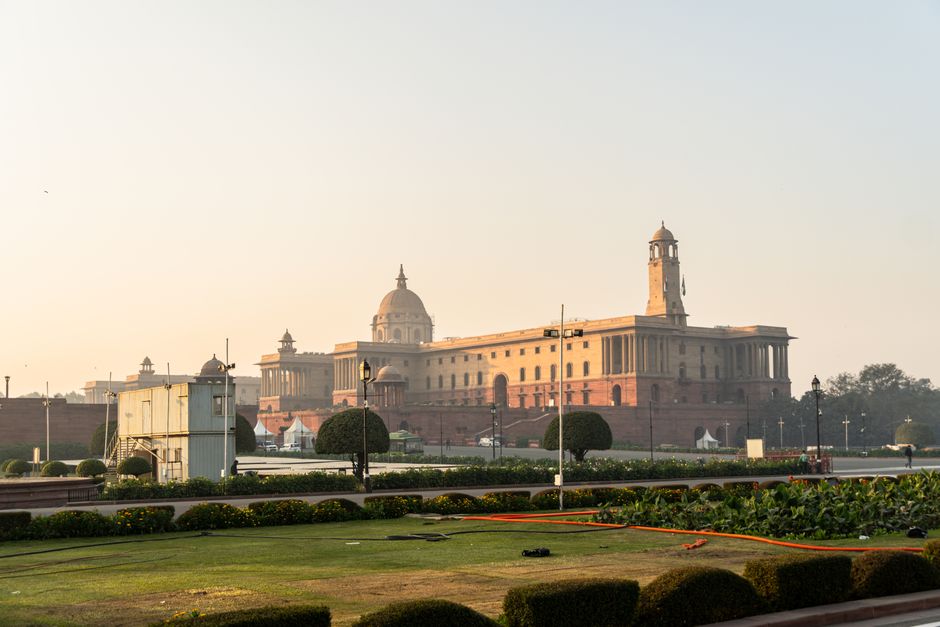
Walk through Bangalore's Koramangala and you'll see startup culture. Walk through Delhi's Cyber City in Gurugram or the emerging hubs around Okhla and Noida, and you'll see something different: explosive growth with real consequences for job seekers.
The National Capital Region attracted $4.2 billion in venture funding last year, according to venture tracking data, making it India's second-largest startup ecosystem after Bangalore. For professionals hunting roles—whether in product, engineering, design, or operations—this creates unprecedented opportunity. It also creates unprecedented risk.
The first thing to understand: funding rounds don't equal stability. A Series B announcement from a Gurgaon-based fintech startup might look impressive on your resume, but venture-backed companies fail at high rates. Delhi's startup mortality rate hovers around 40% within five years, according to ecosystem analysts. That job security you think you're getting? It's conditional on the next funding round.
Compensation structures in VC-backed startups typically split between base salary and equity. A mid-level engineer at a Delhi startup might earn ₹18–24 lakh annually in base, plus a stock option pool representing 0.02–0.1% of the company. Here's the catch: those options are worthless unless the company exits. Exits require profitable operations, successful fundraising, or acquisition—none guaranteed. Professionals chasing equity wealth should be realistic about odds.
Salary negotiations matter more than ever. Founders in Cyber City or around Delhi's tech clusters—from Kalkaji to Sector 62 in Noida—often have flexibility on base pay to preserve cash. Ask for it. Transparency about burn rate, runway, and path to profitability are fair questions. Any founder uncomfortable answering deserves scrutiny.
The ecosystem's youth is also important. Unlike Bangalore's established startup hubs, Delhi's venture scene is still building infrastructure. That means fewer second-time founders, less institutional knowledge, and higher execution risk. For professionals, this translates to less mentorship and fewer safety nets when things go wrong.
What works: join teams with experienced operators, clear product-market fit, and realistic fundraising timelines. What's risky: joining pre-seed companies without founder track records, or betting heavily on equity without understanding cap tables and dilution.
Delhi's startup ecosystem will only grow. But growth doesn't mean every role is worth the risk. Job seekers should ask hard questions about fundamentals—not just the headline funding number.
This article was compiled by AI and screened before publishing. See our editorial standards.
How does this story make you feel?
Spread the word
About this article
Published by The Daily Delhi
Daily brief
Free, in your inbox before 7am. Weekdays.
More in