Why Delhi's Hybrid Work Model Is Reshaping Global Tech Culture
As remote work spreads worldwide, the capital's unique blend of affordable coworking, deep talent pools, and startup momentum creates a template that Silicon Valley is watching closely.
As remote work spreads worldwide, the capital's unique blend of affordable coworking, deep talent pools, and startup momentum creates a template that Silicon Valley is watching closely.
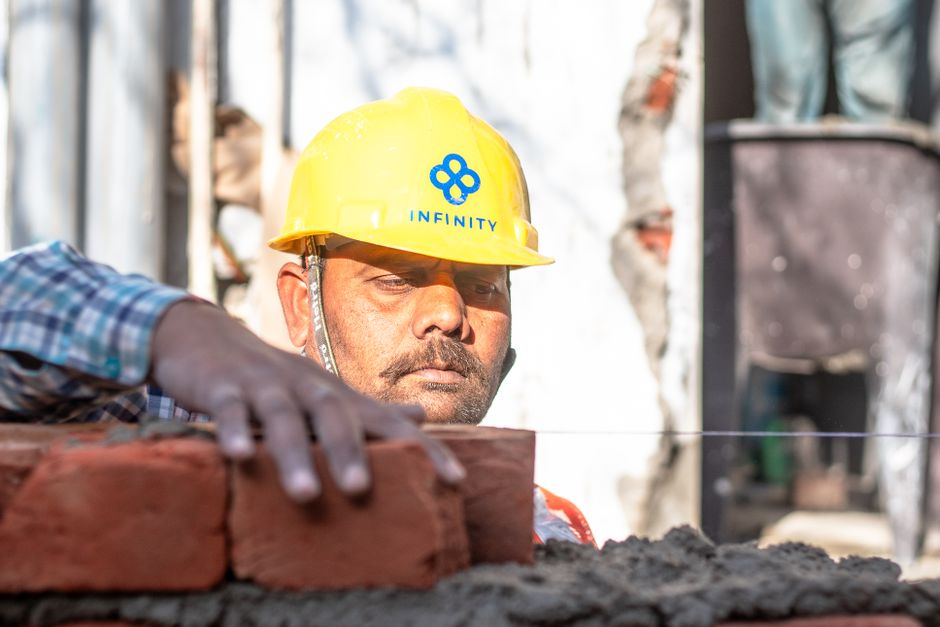
Walk into any coworking space in Cyber City Gurugram or the bustling lanes of Okhla Industrial Area, and you'll notice something distinctly Delhi: a seamless collision of Fortune 500 ambition and scrappy startup hustle, all operating on the same floor, often from the same coffee station.
This isn't just workplace efficiency. It's a fundamentally different approach to how remote and hybrid work function—one that's beginning to define the city's role in global tech infrastructure.
Delhi's coworking revolution has exploded over the past three years. Spaces like The Hive in Aerocity, IKeva across multiple locations, and smaller collectives in South Delhi's Saket neighbourhood now house over 45,000 registered users, according to industry data. Yet what distinguishes Delhi's model from coworking hubs in New York, London, or Bangalore isn't square footage—it's operational cost and cultural velocity.
A hot desk in premium Cyber City costs ₹8,000–12,000 monthly, roughly 40% cheaper than comparable London or San Francisco spaces. A dedicated desk runs ₹15,000–25,000. This affordability creates what international tech observers call "density advantages"—more diverse talent, more cross-sector collaboration, more experimental projects sharing oxygen.
"Delhi attracts mid-career engineers from abroad who wouldn't relocate to traditional hubs," explains the informal consensus among founders working from Connaught Place to Nehru Place. The city's talent pool includes not just Indian engineers returning from the Valley, but international professionals seeking lower cost-of-living without sacrificing opportunity.
The real distinction, though, lies in ecosystem texture. Delhi's tech community bridges what Silicon Valley keeps separate: deep government connections (lobbying, policy work), media influence (headquarters of major publications), venture capital (increasingly centralizing here), and unfiltered startup energy. Someone can pitch an investor, host a regulatory meeting, and brainstorm with a peer-company founder within the same afternoon across these neighborhoods.
Multinational firms have noticed. Several tech giants now use Delhi coworking spaces not as satellite offices, but as innovation labs—testing remote-first models before deploying them globally. For these companies, Delhi functions as a living laboratory where hybrid work assumptions get validated or demolished cheaply.
The city's monsoon-resistant internet infrastructure, 24-hour food delivery ecosystem, and cultural tolerance for late-night work culture add invisible scaffolding to this model. A developer in Delhi can maintain synchronous workflows with California teams while building products for India's 450+ million internet users—a geographic and market advantage no other hub quite replicates.
As global companies reassess post-pandemic work, Delhi isn't just participating in the remote work conversation. It's quietly rewriting its rules.
This article was compiled by AI and screened before publishing. See our editorial standards.
How does this story make you feel?
Spread the word
About this article
Published by The Daily Delhi
Daily brief
Free, in your inbox before 7am. Weekdays.
More in