things-to-do
Sunder Nursery: Delhi’s heritage park beside Humayun’s Tomb
Sunder Nursery is a sixteenth-century heritage park complex beside Humayun’s Tomb, with gardens, monuments and water features.
Listen in English · 3 min
How we reported this
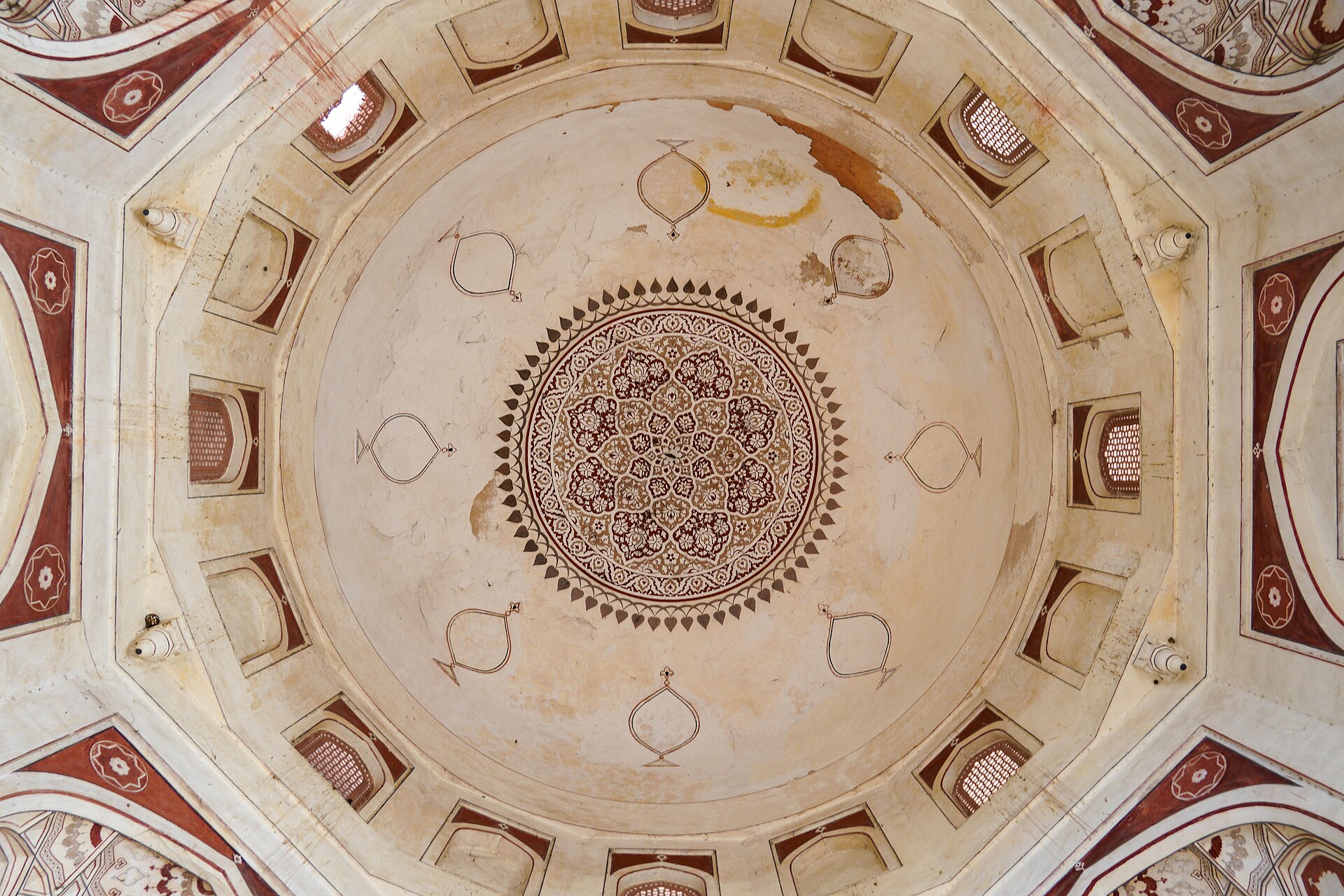
Sunder Nursery is a heritage park complex in Delhi beside Humayun’s Tomb. The site was formerly known as Azim Bagh or Bagh-e-Azeem and dates to the sixteenth century. Its location places it within one of the city’s most important concentrations of Mughal-era monuments and formal landscapes.
The nursery contains a group of historic structures, including Sunder Burj, Sunder Mahal and Lakkarwala Burj. These buildings sit among planted areas, pathways and water features. The result is a park where the heritage elements are encountered across the grounds rather than gathered into one single monumental enclosure.
Sunder Nursery is part of the Nizamuddin heritage area, which includes Humayun’s Tomb and other significant sites. That relationship matters when planning a Delhi visit: the nursery can be read as part of a wider historic district rather than as an isolated garden. The nearby monuments help explain the architectural and cultural setting in which the park developed.
The site’s name comes from the nursery that was established there during the colonial period. Its current identity combines that horticultural history with conservation of the older monuments. Gardens, trees, water channels and restored structures now work together to create a different kind of heritage experience from a standalone tomb or fort.
For visitors, Sunder Nursery offers a way to spend time with Delhi’s built history at a slower pace. The park’s significance is not based on one famous tower. It lies in the combination of landscape, Mughal-era structures and its position next to Humayun’s Tomb, allowing a walk through several layers of the city’s architectural past.
The historic buildings give the park its architectural focus. Sunder Burj, Sunder Mahal and Lakkarwala Burj are encountered within the wider garden rather than displayed as unrelated objects. Their presence explains why the site is described as a heritage park complex: the planting and water features form the setting, while the monuments supply the historical record.
Sunder Nursery also sits within a district where several important monuments are close together. Its position beside Humayun’s Tomb means that a visit can connect a landscaped park to the formal garden-tomb tradition represented by the Mughal monument. The two places are different in scale and atmosphere, but they share the same Nizamuddin heritage context.
Sunder Nursery’s identity comes from the meeting of its sixteenth-century heritage structures, planted areas and water features. Beside Humayun’s Tomb, it forms part of the Nizamuddin heritage landscape rather than standing apart from Delhi’s wider monument district.