Global Instability Reshapes Delhi's Retail and Food Economy
Geopolitical tensions, supply chain disruptions and currency volatility are forcing restaurants and retailers across the capital to rethink sourcing, pricing and expansion strategies.
Geopolitical tensions, supply chain disruptions and currency volatility are forcing restaurants and retailers across the capital to rethink sourcing, pricing and expansion strategies.
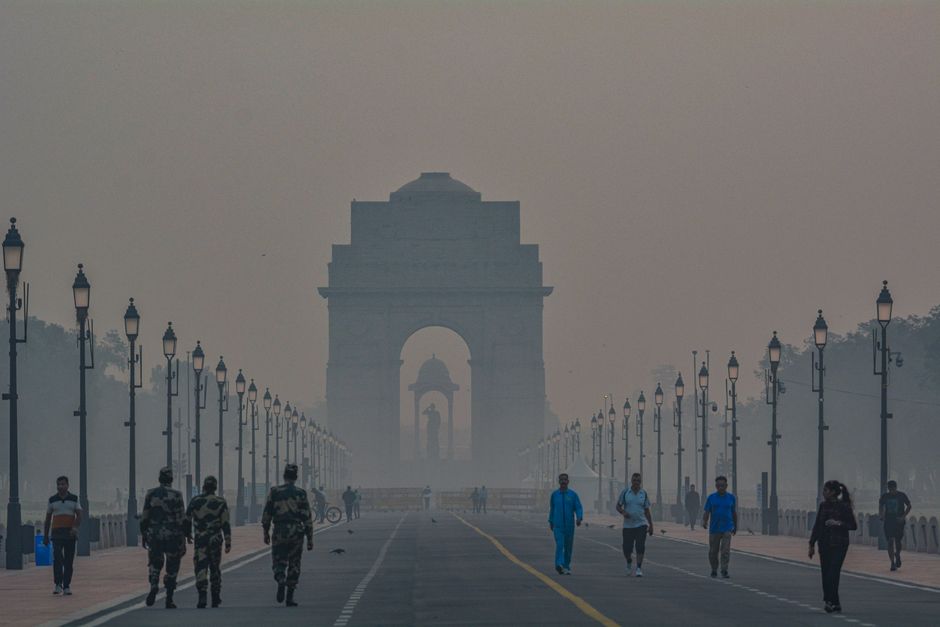
Delhi's restaurant and retail sectors are grappling with the fallout from global instability that extends far beyond the capital's borders. From the Strait of Hormuz tensions affecting oil prices to Middle Eastern uncertainty impacting logistics networks, business owners across Connaught Place, Khan Market and the emerging retail clusters of Aerocity are recalibrating operations in real time.
The impact is tangible. Hospitality operators report that imported ingredients—from Spanish olive oils to Irish beef—now carry premium freight costs that have increased by 15-20% over the past six months. A mid-range restaurant on Rajendra Place estimates their food cost has risen from 28% to 32% of revenue, forcing difficult menu decisions. Premium establishments in Greater Kailash report similar pressures, with some absorbing costs while others have introduced service charges or subtle price increases.
Currency fluctuations add another layer of complexity. The rupee's volatility against major currencies means sourcing teams must lock in forex contracts weeks in advance, a luxury unavailable to smaller operators. Mid-market retailers on Chandni Chowk and Delhi Gate report that imported branded goods—from European cosmetics to American spirits—now command unpredictable margins depending on hedging decisions made months earlier.
The disruptions are reshaping business strategy. Large chains like those operating flagship stores in Malcha Marg and DLF Promenade are accelerating localisation efforts, partnering with Indian suppliers and emphasising farm-to-table narratives. Smaller independent restaurants are pivoting toward hyperlocal sourcing, with establishments in Hauz Khas Village and Defence Colony exploring direct relationships with Haryana and Uttar Pradesh producers to bypass volatile international supply chains entirely.
Market observers note a divergence emerging. Premium segments targeting affluent consumers in South Delhi and Lutyen's Delhi continue expansion plans, banking on relatively inelastic demand. Meanwhile, the middle-market segment—critical to retail health across areas like Karol Bagh and Saket—is tightening belts. Occupancy costs, which averaged ₹150-200 per square foot monthly in secondary shopping districts two years ago, remain sticky despite declining footfall in some zones.
The employment picture remains resilient but cautious. Hospitality sector hiring has slowed to 3-4% annual growth versus the 8-10% typical of pre-2024 periods, according to industry bodies. Training institutes report unchanged enrollment, but placement timing has lengthened as establishments delay new openings.
For Delhi's business community, the message is clear: global headwinds are local business reality. Success increasingly depends on agility, localisation and accepting that the days of predictable supply-cost equations are over.
This article was compiled by AI from the sources linked above and screened before publishing. See our editorial standards.
How does this story make you feel?
Spread the word
About this article
Published by The Daily Delhi
Daily brief
Free, in your inbox before 7am. Weekdays.
More in Business