Delhi Restaurants, Retail Face Margin Squeeze in 2026
Rising costs and shifting consumer habits pressure NCR operators as inflation and real estate premiums eat into profits.
Rising costs and shifting consumer habits pressure NCR operators as inflation and real estate premiums eat into profits.
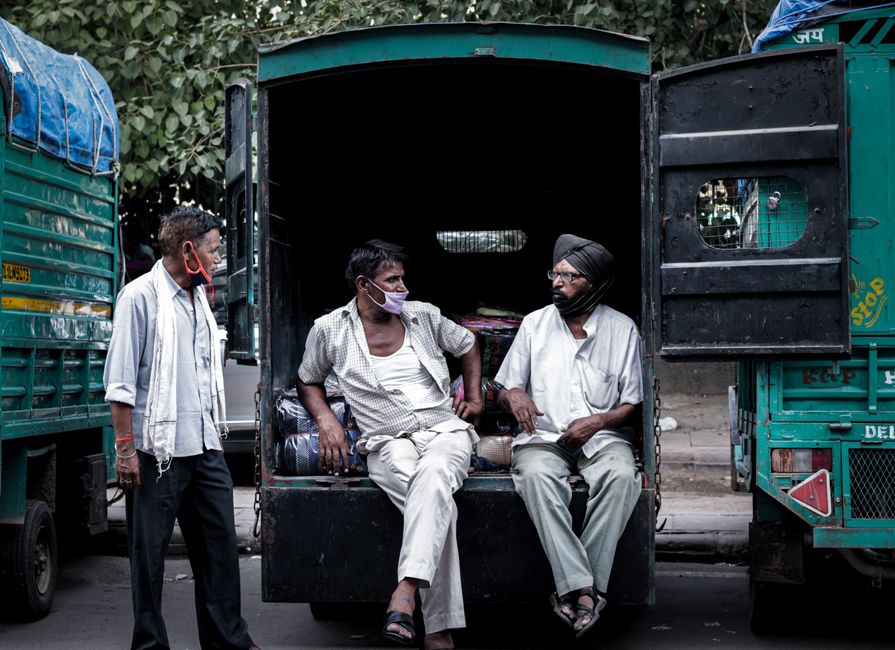
The glittering storefronts along Connaught Place and the bustling food courts of Select Citywalk tell a story of resilience, but behind the scenes, Delhi's retail and hospitality sector is struggling with challenges that have accumulated throughout 2026.
The numbers paint a sobering picture. Commercial real estate in prime zones like Khan Market and Mehrauli has appreciated at nearly 18-22 per cent annually, forcing restaurant and retail operators to renegotiate leases at costs many cannot sustain. A mid-sized dining establishment in South Delhi now operates on margins of just 8-12 per cent, down from 15-18 per cent three years ago, according to industry consultants tracking the National Restaurant Association of India's quarterly assessments.
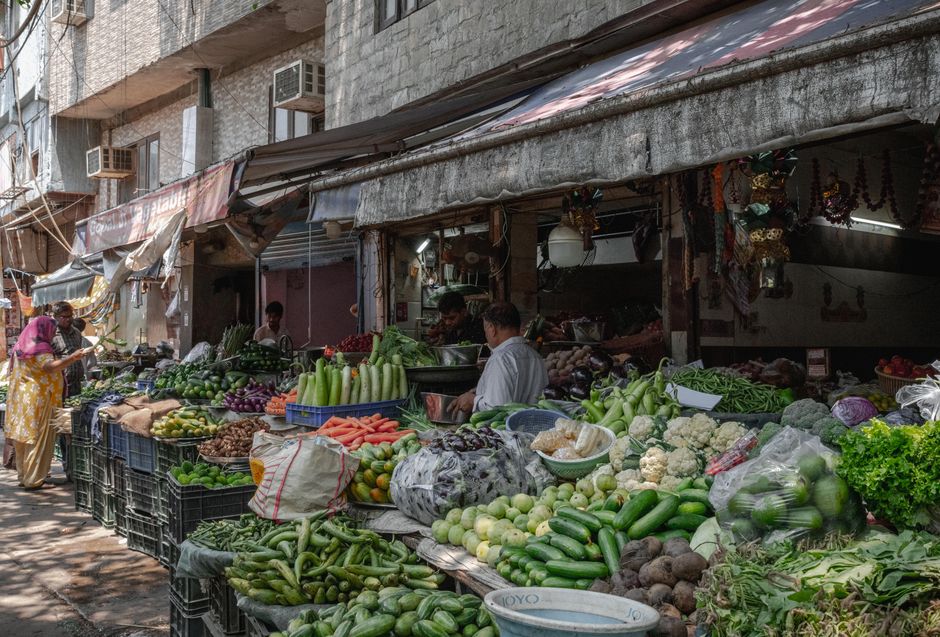
Food inflation has compounded these pressures. Vegetable and protein costs have remained elevated, with supply chain disruptions affecting establishments from Karol Bagh's traditional eateries to Greater Kailash's upscale dining venues. Labour costs, already a significant operational burden in a capital city where skilled hospitality workers command premium wages, have climbed steadily as unions push for better working conditions and salary revisions.
The shift in consumer behaviour presents a parallel challenge. As remote work sustains flexibility across Delhi's corporate landscape, foot traffic to physical retail destinations has declined. Shopping malls in Vasant Kunj and South Extension report occupancy rates hovering around 60-65 per cent, with smaller boutiques and specialty stores particularly vulnerable. Meanwhile, the explosive growth of quick-commerce platforms and hyperlocal delivery services has fractured the traditional retail experience, pulling customers away from physical spaces.
Digital transformation, while necessary, demands capital investment many smaller operators cannot easily deploy. Implementing robust point-of-sale systems, inventory management, and seamless payment infrastructure requires expertise and funds that stretch thin margins further.
The sector is also contending with regulatory headwinds. Licensing requirements, waste management protocols, and compliance costs have become more stringent, creating administrative burdens that disproportionately affect independent establishments compared to large chains.
Yet there are silver linings. Establishments embracing sustainability—reducing food waste, sourcing locally—have found customer loyalty and modest cost benefits. Pop-up dining experiences and experiential retail concepts continue to draw interest across Delhi's younger demographic. Operators who consolidate operations, embrace technology strategically, and adapt menus to reflect local preferences appear better positioned to weather the current environment.
As we move deeper into 2026, the sector faces a pivotal moment. Consolidation among mid-tier players seems inevitable, while those who innovate rather than simply survive may emerge stronger when conditions eventually stabilise.
This article was compiled by AI and screened before publishing. See our editorial standards.
How does this story make you feel?
Spread the word
About this article
Published by The Daily Delhi
Daily brief
Free, in your inbox before 7am. Weekdays.
More in Business