Delhi Inflation Squeezes Household Budgets in 2024
Rising costs reshape purchasing power across the capital. Here's what residents need to know to protect their finances.
Rising costs reshape purchasing power across the capital. Here's what residents need to know to protect their finances.
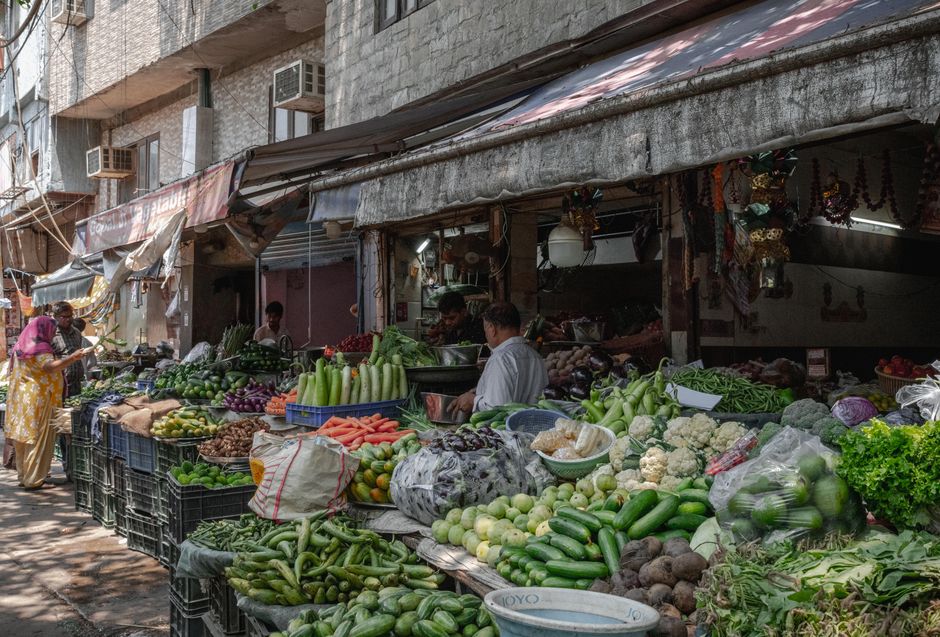
Walk through any Delhi market today and the arithmetic feels different. A kilogram of tomatoes in Daryaganj that cost ₹20 two years ago now hovers around ₹35-40. A morning chai at your neighbourhood tea stall has climbed from ₹10 to ₹15. For the average Delhi resident earning between ₹40,000 and ₹80,000 monthly, these aren't trivial shifts—they're the difference between comfort and constraint.
The real challenge isn't that prices have risen. It's that most Delhi households haven't fully grasped how inflation is rewriting their financial reality in ways that traditional salary increases simply cannot match. According to recent data, food inflation in metropolitan India has persistently hovered between 6-8 percent annually, while wage growth for salaried employees averages closer to 3-4 percent. That gap is your problem.
Consider the practical impact. A family in Karol Bagh spending ₹15,000 monthly on groceries, vegetables, and essentials in 2024 now needs ₹16,500-17,000 to maintain the same purchasing power. Add utilities—water, electricity, gas—and you're looking at another ₹3,000-4,000 per household. School fees in central Delhi neighbourhoods like Delhi Cantonment and Greater Kailash have jumped 12-15 percent in just eighteen months. Transportation costs have followed suit, with metro fares and auto-rickshaw rates creeping upward.
Yet most Delhiites aren't adjusting their financial strategies accordingly. Banking data suggests that average savings rates among middle-income households have actually declined, even as costs rise. This creates a dangerous squeeze: people are spending more while saving less, leaving them increasingly vulnerable to unexpected expenses.
What does this mean for you? First, your investment approach needs recalibration. Fixed deposits offering 6-6.5 percent returns are no longer wealth-builders—they're barely maintaining your purchasing power. Second, discretionary spending requires honest auditing. Track what you actually spend in South Extension markets versus what you budgeted. Third, diversification matters more than ever. Relying solely on salary income becomes riskier when inflation outpaces raises.
The residents managing best aren't necessarily the highest earners—they're those actively monitoring their cost structure, questioning habitual expenses, and gradually shifting money into inflation-resistant assets. Whether that's equity mutual funds, real estate, or upskilling for higher-paying roles matters less than actually doing something intentional.
Delhi's cost of living isn't just rising—it's reshaping who thrives and who merely survives in India's capital. The question isn't whether you've noticed. It's what you're doing about it.
This article was compiled by AI and screened before publishing. See our editorial standards.
How does this story make you feel?
Spread the word
About this article
Published by The Daily Delhi
Daily brief
Free, in your inbox before 7am. Weekdays.
More in Business