Delhi's Job Market is Shifting Fast—Here's What Your Wallet Needs to Know
As automation reshapes employment across the capital, residents face a choice between adapting to new skill demands or watching their earning power stagnate.
As automation reshapes employment across the capital, residents face a choice between adapting to new skill demands or watching their earning power stagnate.
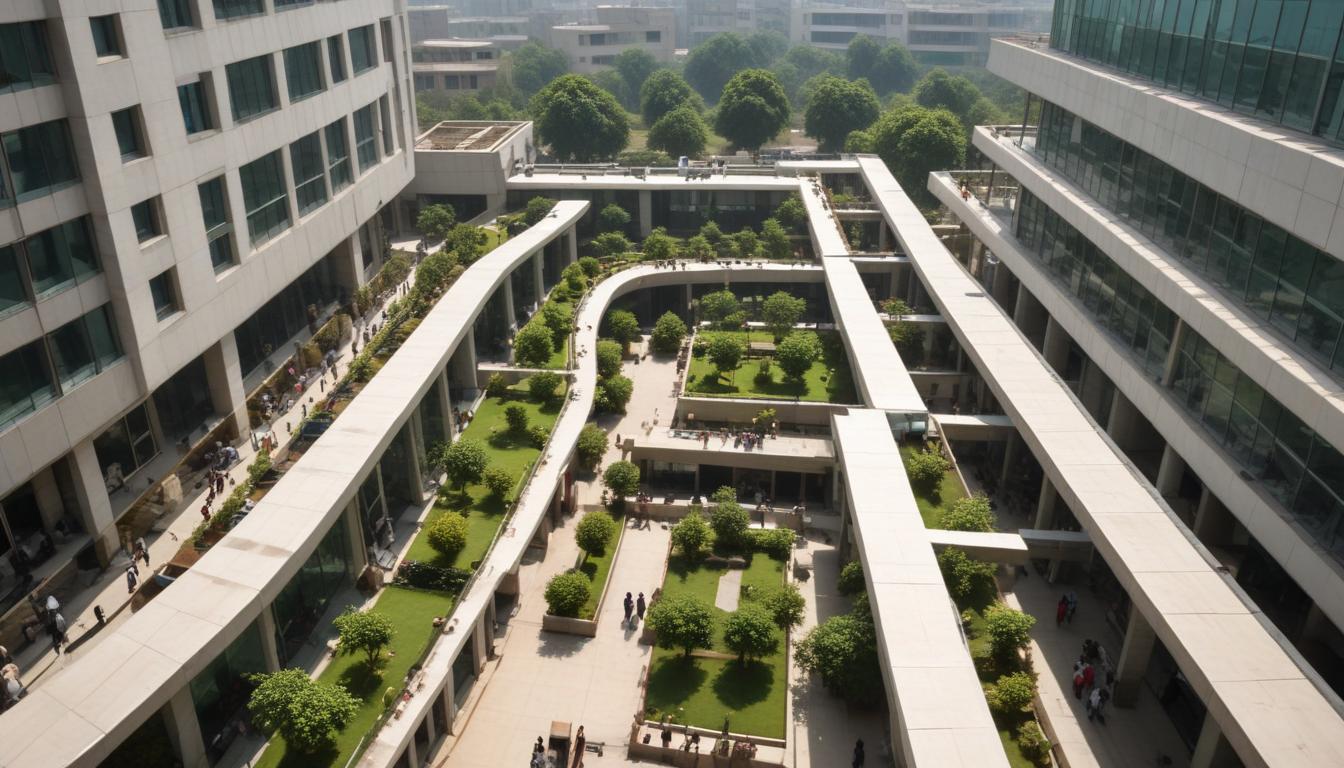
Walk through Connaught Place or Cyber City in Gurugram, and you'll see cranes, construction sites, and gleaming new office towers. But behind the glass facades, Delhi's employment landscape is undergoing a quiet but profound transformation that should matter to every resident thinking about their career, rent, or children's future.
The data tells a striking story. According to recent surveys tracking Delhi's labour market, jobs in traditional back-office services—the kind that powered the city's outsourcing boom for two decades—are declining. Positions requiring data entry, basic customer service, and routine administrative work are contracting by an estimated 12-15% annually as companies automate these functions. Meanwhile, roles demanding artificial intelligence literacy, cloud computing expertise, and advanced digital skills are growing at roughly 25% per year.
For the average Delhi resident, this matters profoundly. If you're earning ₹35,000-₹50,000 monthly in a traditional corporate support role in Noida or Gurgaon, you're in a vulnerable position. Companies are consolidating teams, offering voluntary retirement schemes, and hiring fewer entry-level staff. A recent audit of hiring patterns across South Delhi's corporate parks showed that whereas 2,000 fresh graduates found jobs in June 2024, that number dropped to around 1,400 in June 2026.
But there's a counterbalance. Sectors anchored in Delhi—hospitality around India Gate, design studios in Lodhi Road, healthcare administration, and the booming EdTech ecosystem—are actively recruiting. Salaries for skilled roles in these areas have risen 18-22% over two years, outpacing inflation. Someone transitioning from a call centre role to a healthcare data analyst position, for instance, could expect a 30-40% salary jump.
The pinch is real for households dependent on single incomes. Rental prices in accessible neighbourhoods like Dwarka and Rohini have climbed 8-10% annually, yet wage growth in vulnerable job categories has barely kept pace with inflation at 5-6%. This squeeze is why financial advisors across the city report a surge in residents seeking upskilling courses—coding bootcamps, digital marketing certifications, and cloud infrastructure training are overbooked.
Here's what residents should understand: Delhi's job market isn't shrinking overall, but it's ruthlessly selective. The capital still attracts talent and investment, but only workers who actively upgrade their skills will capture the better-paying opportunities. For families, this means viewing education—whether for yourself or your children—not as optional luxury but as essential insurance against earning stagnation. The window to adapt is closing faster than many realize.
This article was compiled by AI from the sources linked above and screened before publishing. See our editorial standards.
How does this story make you feel?
Spread the word
About this article
Published by The Daily Delhi
Daily brief
Free, in your inbox before 7am. Weekdays.
More in Business