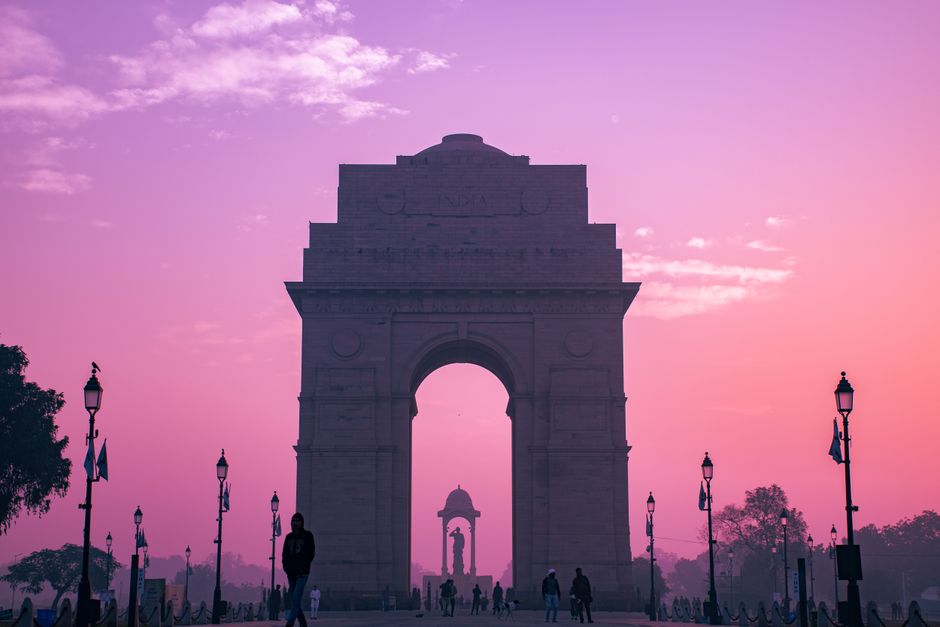
Delhi's visitor economy is experiencing a remarkable resurgence that extends far beyond the marble corridors of luxury hotels. International arrivals to the capital have climbed 34 per cent year-on-year, according to the Delhi Tourism Department, with June 2026 marking the strongest month in the city's recorded history. The windfall is being shared unevenly, however, with established players in hospitality consolidating gains while a new generation of entrepreneurs discovers untapped opportunity in the city's lanes and bylanes.
The beneficiaries are diverse. Five-star properties along Rajpath command premium rates, with nightly tariffs at flagship chains reaching ₹45,000–₹65,000. But the real growth story belongs to the mid-market segment. The proliferation of boutique hotels in Shahpur Jat, Hauz Khas Village, and Defence Colony—areas that scarcely registered on the tourism map five years ago—reflects a fundamental shift in how visitors experience Delhi. These properties, typically charging ₹8,000–₹15,000 per night, report occupancy rates above 75 per cent through the year.
Street-level commerce is equally transformed. Heritage walk operators in Chandni Chowk, once scrappy solo ventures, now run structured tours for groups of 40–50 people daily, each paying ₹500–₹800 per person. Restaurant owners along N-Block Market in Greater Kailash and around the Lodhi Art District report that foreign visitors now represent 45 per cent of evening footfall, sharply up from 18 per cent in 2022. Local guides working through platforms like City Walks and Thrillophilia command ₹3,000–₹5,000 per day—substantially above prior rates.
Not everyone is capturing value equally. Small vendors in Old Delhi's by-lanes, while busier than ever, have seen margins compressed by increased competition and rising ingredient costs. Meanwhile, transport operators—from auto-rickshaw clusters to cab aggregators—have benefited enormously, with Tourism Ministry data showing ride-sharing trips to heritage sites up 62 per cent.
Official infrastructure investments are amplifying these gains. The recent expansion of the Red Line metro towards Dwarka and renewed heritage signage across the walled city are measurably redirecting foot traffic. The Delhi Tourism and Transportation Development Corporation reports that guided bus tour bookings have tripled since January 2026.
The opportunity remains largely concentrated in English-speaking, digitally-connected sectors. Smaller merchants in peripheral areas—Mehrauli, Badarpur—remain on the periphery of this boom. Yet the sheer scale of incoming visitors suggests the windfall will continue broadening. For now, Delhi's visitor economy is firmly rewarding those positioned to mediate between the city's heritage and global curiosity.
This article was compiled by AI from the sources linked above and screened before publishing. See our editorial standards.