Delhi's startup boom hits a wall: Why 2026 is proving a brutal year for innovation
A perfect storm of funding freezes, talent drain, and regulatory uncertainty is testing the resilience of India's second-largest startup hub.
A perfect storm of funding freezes, talent drain, and regulatory uncertainty is testing the resilience of India's second-largest startup hub.
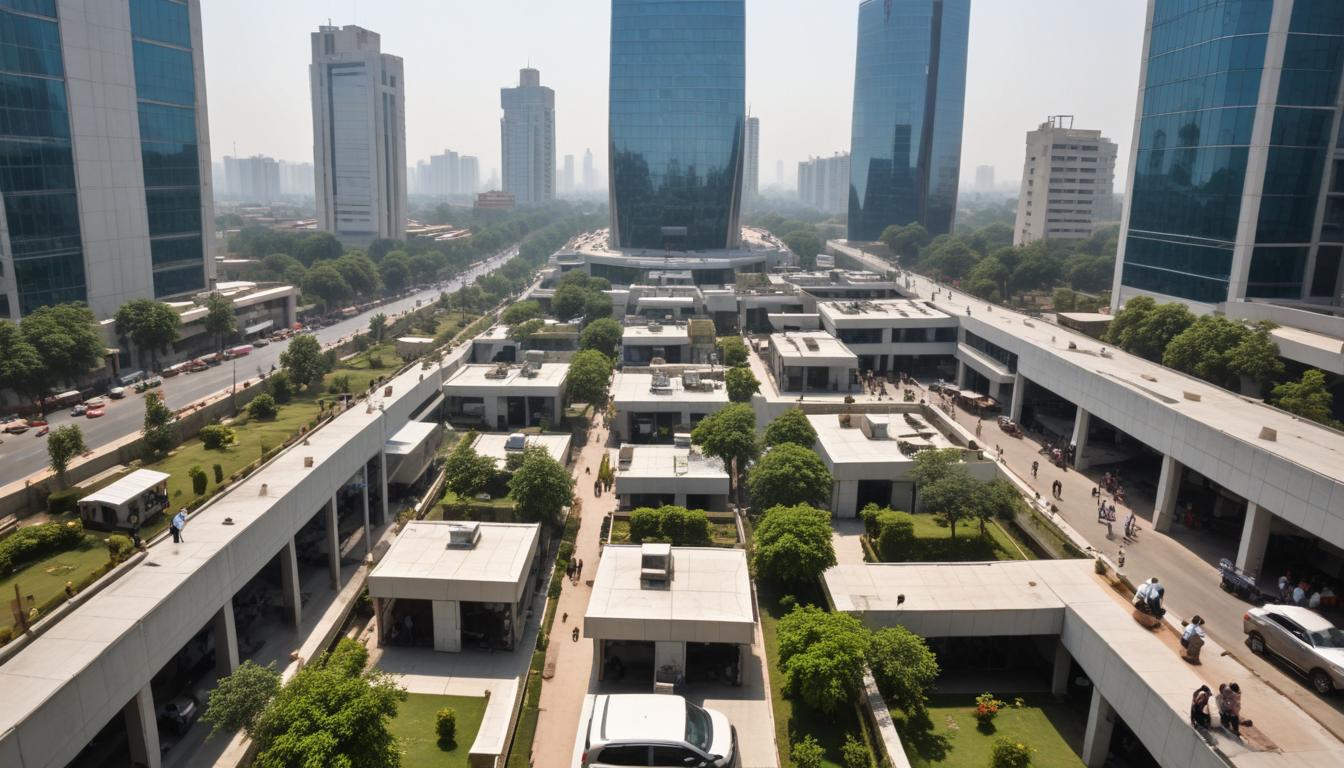
Walk through the gleaming co-working spaces along Okhla Phase III and the WhatsApp groups tell a different story than the glass facades suggest. Delhi's vaunted startup ecosystem, which once promised to rival Bangalore, is facing its most challenging year yet—and founders are not mincing words about it.
The numbers paint a sobering picture. According to recent venture data, funding to Delhi-based startups has contracted by nearly 42 per cent compared to the same period last year. While Series A rounds still materialise, they now demand valuations that many founders consider divorced from reality. The easy money of 2023-24 has evaporated, replaced by investor demands for profitability metrics that early-stage companies struggle to meet.
"We're seeing a bifurcation," says one venture partner at a firm operating out of Cyber City in Gurugram, who requested anonymity. "Only startups already backed by marquee names survive. Everyone else is burning cash and hoping." The startup mortality rate in Delhi's ecosystem has climbed noticeably, with several promising ventures in the fintech and deeptech spaces shuttering operations or merging out of desperation rather than strategy.
The talent crunch compounds the pain. Young software engineers and product managers—once abundant in neighbourhoods like Karol Bagh and Hauz Khas Village—are increasingly opting for stability. Major tech MNCs, facing their own restructuring, are scooping up talent with compensation packages startups cannot match. A mid-level engineer in Delhi now commands 25-30 per cent premium salaries compared to 18 months ago, effectively pricing many early-stage companies out of the market.
Regulatory headwinds add another layer of friction. Ambiguous compliance requirements around data localisation and the evolving freelancer taxation framework have forced several bootstrapped teams to shift operations or rethink their models entirely. The Nasscom-backed startup initiatives, while well-intentioned, have struggled to translate into tangible policy changes that reduce friction for builders.
Real estate economics pose yet another puzzle. Lease agreements in established startup hubs like the NH-8 corridor in Gurugram have inflated 35 per cent since 2023, pushing lease costs toward levels that rival Mumbai. This forces younger companies to choose between swallowing margin-eroding rents or decamping to secondary locations, fragmenting the ecosystem's density advantages.
Still, Delhi's ecosystem retains structural advantages—proximity to a massive consumer market, reasonable operational costs relative to global peers, and a deepening pool of domain expertise. But for now, the vibrancy has given way to a grinding, precarious grind. For founders and investors alike, 2026 demands execution over ambition, and luck is in short supply.
This article was compiled by AI from the sources linked above and screened before publishing. See our editorial standards.
How does this story make you feel?
Spread the word
About this article
Published by The Daily Delhi
Daily brief
Free, in your inbox before 7am. Weekdays.
More in Business