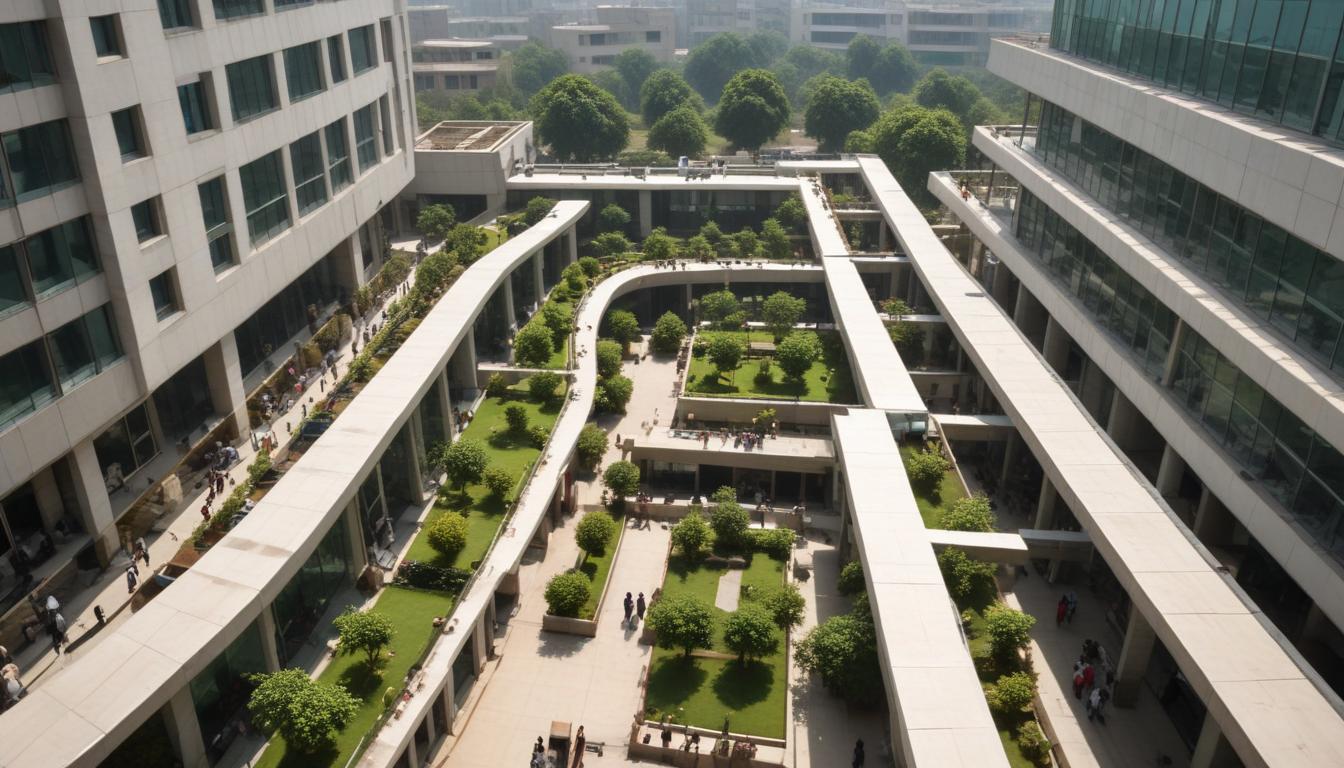
Delhi's Office Boom: How Smart Developers Are Cashing In on the Hybrid Work Shift
As companies abandon sprawling campuses for flexible workspaces, a new class of landlords and operators in the capital is reaping the rewards.
As companies abandon sprawling campuses for flexible workspaces, a new class of landlords and operators in the capital is reaping the rewards.
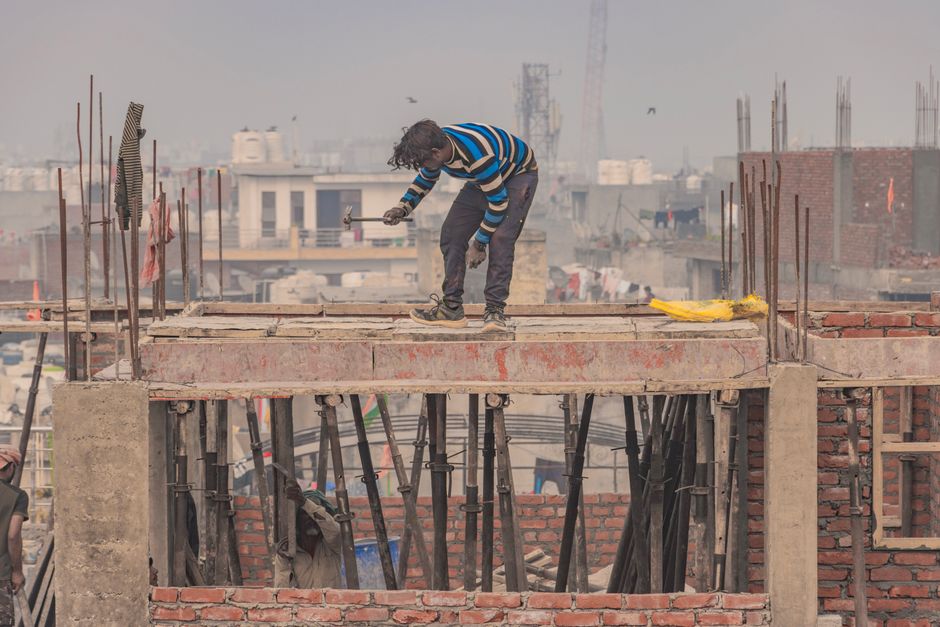
Delhi's commercial property market is undergoing a quiet revolution, and those positioned to exploit it are already counting their gains. The shift away from traditional nine-to-five office culture has created an unexpected opportunity: a voracious appetite for flexible, amenity-rich workspace that established real estate players scrambled to anticipate.
The numbers tell the story. Average Grade-A office rents in South Delhi's central business districts—Gurugram Road, Nehru Place—have remained relatively flat at around ₹75-90 per square foot annually, but vacancy rates have compressed dramatically from 12 percent two years ago to just 4 percent today. The catch: tenants no longer want cavernous floors. They want 15,000 to 30,000 square foot units with breakout spaces, wellness centres, and parking that actually exists.
Developers who saw this coming early are reaping outsized returns. Smaller, agile operators managing converted heritage properties in New Delhi's Kasturba Nagar and Jor Bagh neighbourhoods—where listed heritage buildings are being repurposed into boutique office hubs—report occupancy rates north of 95 percent at premium rents. These aren't the sprawling towers of Connaught Place; they're character-filled spaces commanding ₹100+ per square foot, commanding premium pricing because they offer what cookie-cutter commercial complexes cannot: authenticity and proximity to affluent residential zones.
The real winners, however, are flexible workspace operators who've upgraded their game. Co-working players managing spaces in Rajendra Place and around Khan Market are no longer merely carving up floors. They're offering managed office solutions tailored to mid-sized tech companies, fintech startups, and consulting boutiques seeking to downsize their real estate footprint without sacrificing corporate credibility. Monthly rents for managed office seats have climbed 18-22 percent year-on-year, even as traditional lease rates stagnated.
What's driving this? Three factors collide: first, regulatory pressure on companies to maintain Delhi offices despite distributed teams; second, a generation of Indian startups that view expensive, long-term leases as wasteful capital allocation; and third, multinational companies recalibrating their India strategy with smaller, agile hubs rather than mega-campuses.
For investors and operators willing to adapt—converting older commercial stock, investing in technology-enabled amenities, and embracing shorter lease cycles—the Delhi market isn't crowded. It's opportune. The landlords and operators who understood this inflection before it became obvious are already refinancing at higher valuations and signing renewal leases at rates that would have seemed impossible eighteen months ago.
This article was compiled by AI from the sources linked above and screened before publishing. See our editorial standards.
How does this story make you feel?
Spread the word
About this article
Published by The Daily Delhi
Daily brief
Free, in your inbox before 7am. Weekdays.
More in Business