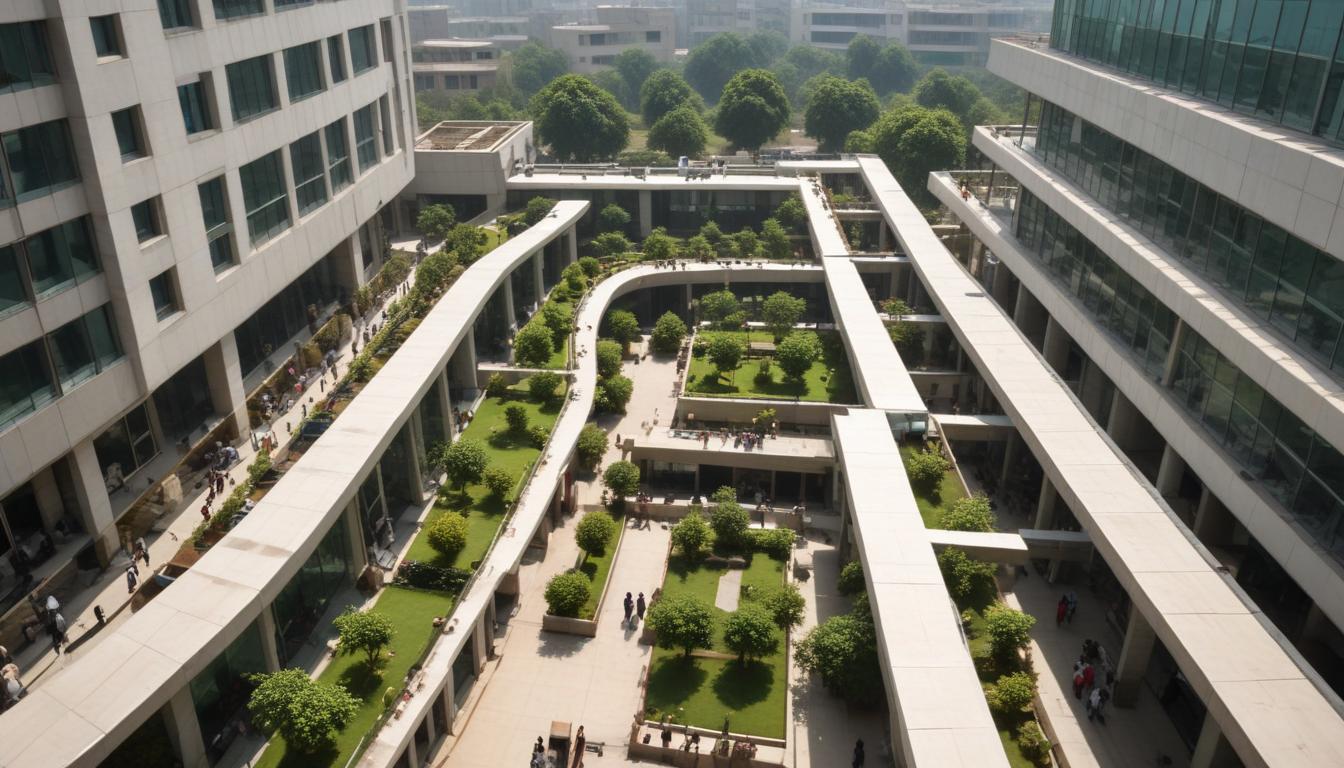
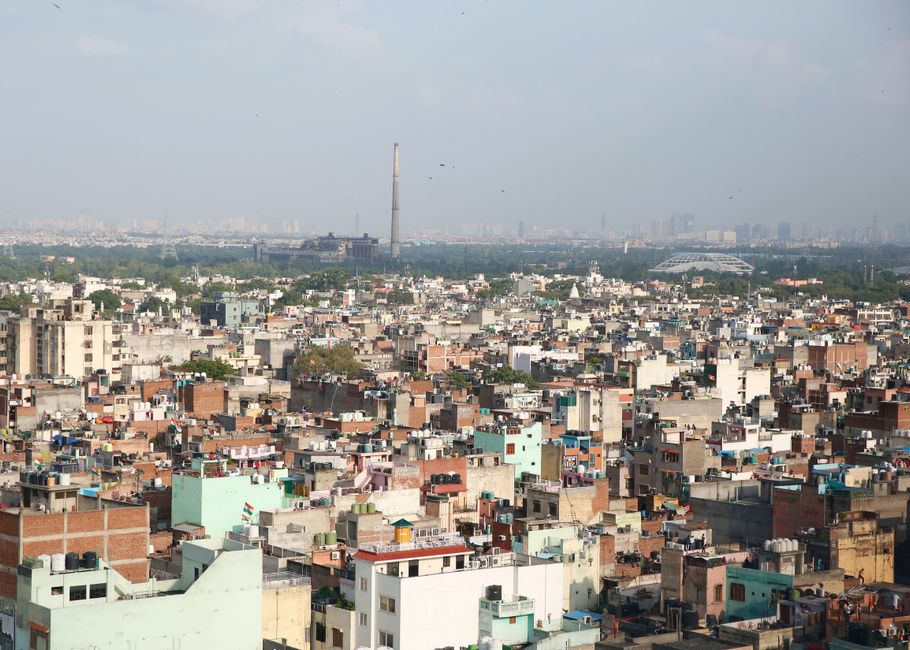
Delhi's traditional business landscape is undergoing rapid transformation. Walk down Barakhamba Road or through the gleaming corridors of Connaught Place, and you'll encounter a talent war unlike any in recent memory. Global trade expansion—driven by supply chain realignments and cross-border commerce growth—is fundamentally reshaping how companies here hire, train, and retain workers.
The shift is visible in job boards and LinkedIn profiles. Positions requiring proficiency in Mandarin, Arabic, or Portuguese now command salary premiums of 25-35% above comparable roles, according to recruitment firms operating from DLF Cyber City in Gurugram and the business parks dotting Noida's SEC-62. Three years ago, such positions were rarities. Today, they're routine.
"We're seeing unprecedented demand from export-focused companies," explains one senior HR consultant based in South Delhi's Malviya Nagar neighbourhood, where numerous talent acquisition firms have established offices. Companies exporting automotive components, pharmaceuticals, and IT services—Delhi's traditional strengths—are now competing fiercely for employees who understand international regulations, currency markets, and cross-cultural communication.
The competition has ripple effects across salary structures. Data from industry surveys suggests that mid-level export managers in sectors ranging from textiles to engineering goods now earn ₹18-25 lakhs annually, compared to ₹12-16 lakhs just five years ago. Fresh graduates with global supply chain exposure command starting salaries of ₹8-12 lakhs, nearly double the baseline for general business graduates.
Yet opportunity comes with friction. Many established professionals in Delhi—trained in traditional domestic business practices—find themselves competing with younger, internationally-educated candidates. Business schools along the Delhi University campus and institutions in Dwarka are hastily revamping curricula to include export documentation, international logistics, and geopolitical awareness.
The skill mismatch is acute. Recruitment agencies report that 40% of senior positions in international trade remain unfilled for extended periods, as companies struggle to locate candidates with the right combination of technical knowledge and global perspective. This has triggered a hiring boom in training and consulting services clustered around Greater Kailash and Khan Market, where firms specialising in export compliance and trade law have multiplied.
For Delhi's workforce, the message is clear: the era of purely domestic business expertise is waning. Those willing to invest in language skills, international certifications, and cross-border experience are positioned to benefit significantly. For employers, the challenge is steeper—building talent pipelines capable of supporting an increasingly globalised business ecosystem.
This article was compiled by AI from the sources linked above and screened before publishing. See our editorial standards.