Delhi's retail and hospitality sector is experiencing a peculiar duality this monsoon season. While physical footfall in premium shopping districts has recovered to near pre-pandemic levels, spending patterns are shifting dramatically—forcing businesses to rethink everything from pricing strategies to operational models.
Data from retail associations tracking Connaught Place, Defence Colony, and the DLF Mall corridor shows a 12-14% year-on-year increase in visitor numbers during the past quarter. Yet average transaction values have contracted by 8-10%, signalling that Delhi's middle and upper-middle-class consumers are becoming decidedly price-conscious. The sweet spot appears to be experiential dining and casual quick-service restaurants rather than fine dining establishments, which have seen reservation cancellations climb to 22% this quarter.
The ghost kitchen phenomenon—invisible to foot traffic but highly profitable—continues reshaping the delivery-first food economy. Operators in Gurugram and Noida's industrial areas report that cloud kitchens now represent nearly 31% of their revenue streams, up from 18% two years ago. Meanwhile, traditional restaurant groups are scrambling to establish delivery-only brands as a hedge against dwindling dine-in margins.
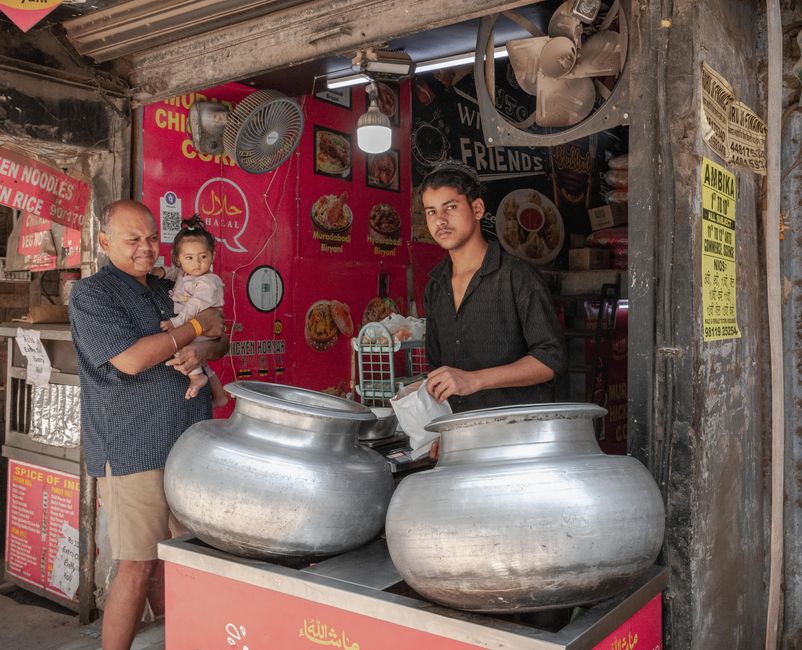
Geographic divergence is stark. South Delhi's premium zones—Greater Kailash, Mehrauli—show resilience in luxury goods and upmarket dining. But Lajpat Nagar and Chandni Chowk traders report tighter inventories and slower moving stock, with many shifting focus toward inventory turnover velocity rather than per-unit margins. Street food vendors paradoxically report record footfall, as consumers trade restaurant meals for affordable street alternatives at ₹30-50 per item.
Labour costs remain a persistent headache. Hospitality wage expectations have risen 16% since early 2024, while food delivery riders demand better compensation packages. A 300-seat restaurant operator on Rajouri Garden's commercial stretch noted that staffing now consumes 34% of revenue versus 28% three years prior.
The sustainability angle is gaining traction among Delhi's affluent consumers, particularly in South Delhi and emerging premium zones near Aerocity. Restaurants promoting locally-sourced menus and minimal-waste operations report a 19% premium pricing tolerance among their customer base.
For businesses: diversify revenue streams aggressively, optimize labour deployment, and resist the urge to maintain premium pricing in a consumer-conscious market. The winner in Delhi's retail-hospitality landscape will be the operator who understands that foot traffic recovery doesn't automatically translate to healthy margins.
This article was compiled by AI from the sources linked above and screened before publishing. See our editorial standards.