Delhi's Job Market Stumbles as Hiring Freeze, Rising Costs Dampen Expansion
Tech layoffs, real estate slowdown, and inflation pressures are creating a perfect storm for employment growth in India's capital this year.
Tech layoffs, real estate slowdown, and inflation pressures are creating a perfect storm for employment growth in India's capital this year.
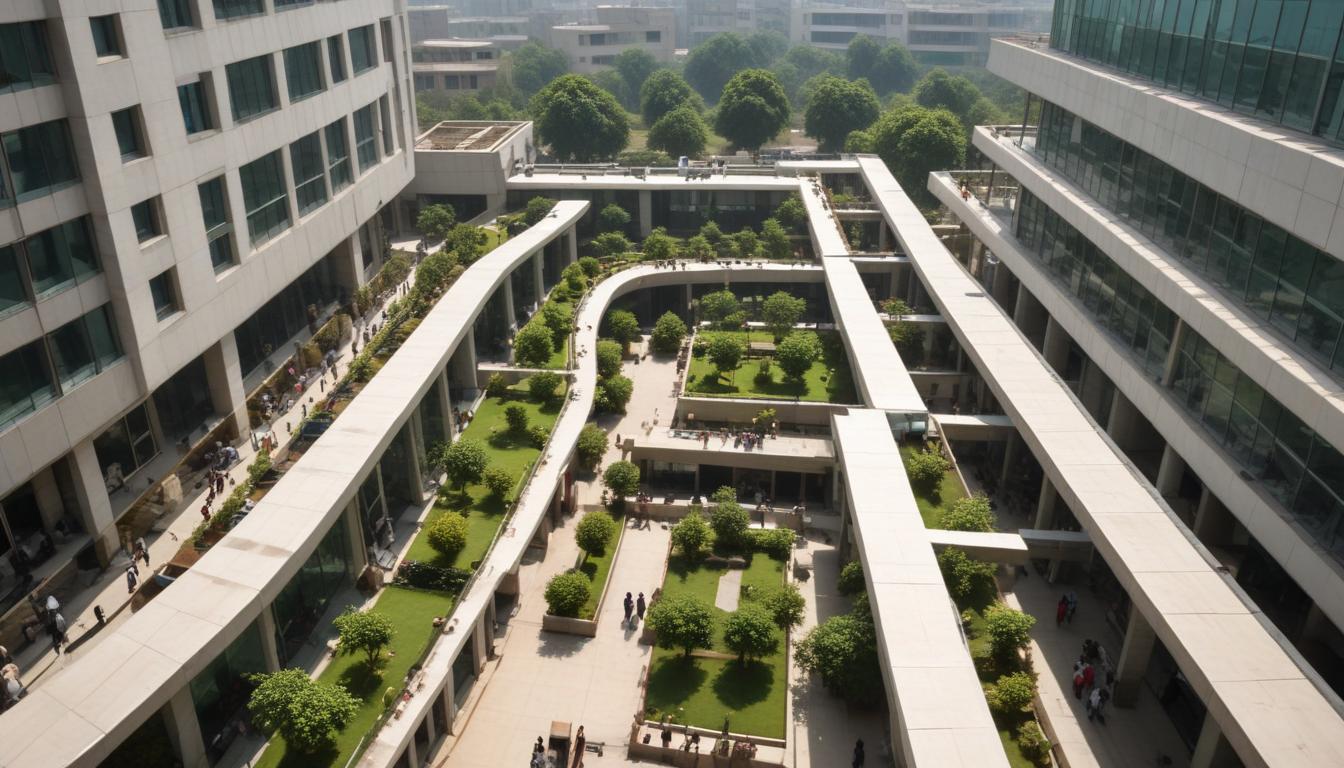
Walk through the gleaming office parks of Gurugram's DLF Cyber City or the startup corridors of Bangalore, and you'll hear a familiar refrain in 2026: hiring freezes. But the tremors are being felt acutely in Delhi's financial and tech hubs as well, where the employment landscape has shifted dramatically from the optimistic projections made just eighteen months ago.
The capital's job market is facing a confluence of headwinds that experts say could dampen growth for the remainder of the year. The tech sector, which has driven much of Delhi's white-collar expansion over the past decade, is contracting. Major IT firms have already announced redundancy rounds, with mid-level positions in sectors like software development and business process outsourcing bearing the brunt. Recruitment agencies operating from office spaces in Connaught Place and South Delhi report that client requests for new hires have dropped by nearly 40 percent compared to the same quarter last year.
The real estate sector, another significant employer, is equally strained. Property sales across Delhi have slowed considerably, with inventory piling up in prime locations from Dwarka to Noida's adjacent markets. Construction activity has plateaued, directly impacting jobs for engineers, architects, and project managers. Meanwhile, inflation has quietly eroded margins for businesses across hospitality, retail, and services—sectors that collectively employ hundreds of thousands in Delhi.
Salaries, too, are under pressure. Entry-level positions that commanded ₹4-5 lakh annually are now being offered at lower bands, while companies are tightening performance metrics to justify retention. Recruiters in Nehru Place's IT consulting district report that candidates are taking longer to secure offers, with negotiation cycles extending by weeks.
The gig economy—once touted as a safety valve for employment—is showing signs of saturation. Food delivery, ride-hailing, and logistics platforms have already absorbed much of the available flexible workforce, and growth in these sectors has plateaued as competition intensifies and margins compress.
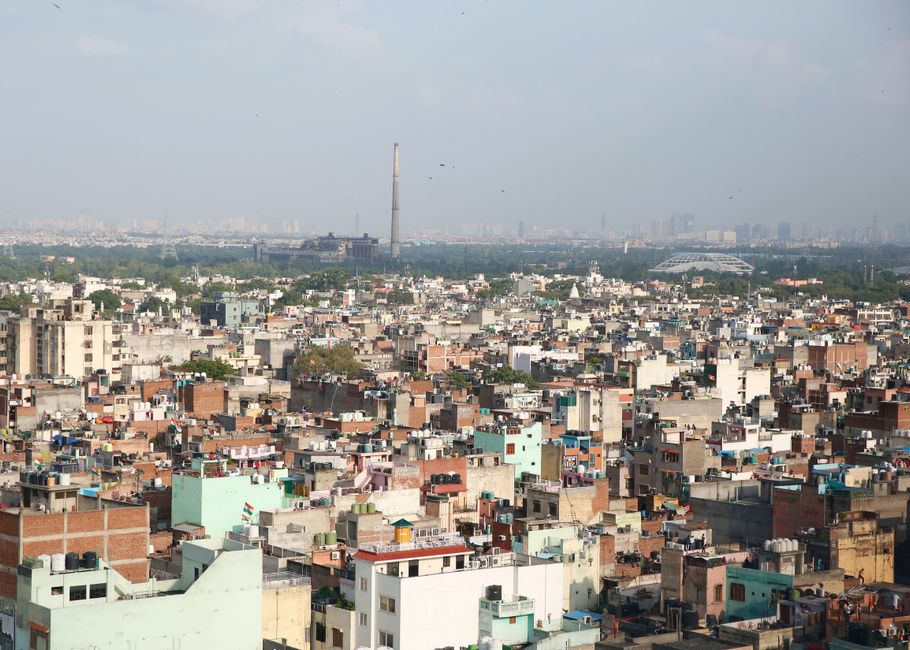
What compounds the challenge is that Delhi's unemployment rate, while still lower than the national average, has crept upward. Graduate unemployment, particularly among those with specialized degrees from institutions across the Delhi region, remains sticky at concerning levels.
Corporate offices from Bandra Kurla to Aerocity are implementing cost-rationalization programs. Remote work policies, once expanded, are being wound back, pushing higher overheads for firms with significant Delhi-based operations. Against this backdrop, the optimism that characterized 2024 and early 2025 has evaporated. For job seekers and employers alike, 2026 is shaping up to be a year of consolidation rather than expansion—and that's a reality Delhi's employment ecosystem is still learning to navigate.
This article was compiled by AI from the sources linked above and screened before publishing. See our editorial standards.
How does this story make you feel?
Spread the word
About this article
Published by The Daily Delhi
Daily brief
Free, in your inbox before 7am. Weekdays.
More in Business