Global Trade Wars Are Reshaping Your Shopping Cart: What Every Delhi Resident Should Know
From grocery prices in Khan Market to smartphone costs in Nehru Place, international tensions are quietly affecting what you pay for everyday goods.
From grocery prices in Khan Market to smartphone costs in Nehru Place, international tensions are quietly affecting what you pay for everyday goods.
If you've noticed your morning coffee costs ₹50 more at Café Coffee Day or struggled with smartphone prices at Croma, you're experiencing the real-world impact of global trade friction that rarely makes headlines in your neighbourhood.
Delhi's 32 million residents rarely think about tariffs and supply chains while commuting on the Metro or shopping at DLF Place. Yet these forces are fundamentally reshaping the city's economy. The ongoing trade tensions between major powers—particularly the US, China, and emerging markets—are creating what economists call a "fragmented global supply network." For you, that means higher prices and fewer choices.
Consider electronics, a staple for tech-savvy Delhi. Smartphones imported through Chennai ports now face higher levies. A mid-range phone that cost ₹25,000 in early 2025 now carries a ₹28,000 price tag. Import duties on semiconductor components have rippled through supply chains, making components more expensive. The shift in manufacturing away from China means longer shipping times from Vietnam and Taiwan, adding weeks to delivery schedules at retailers across Lajpat Nagar and Nehru Place.
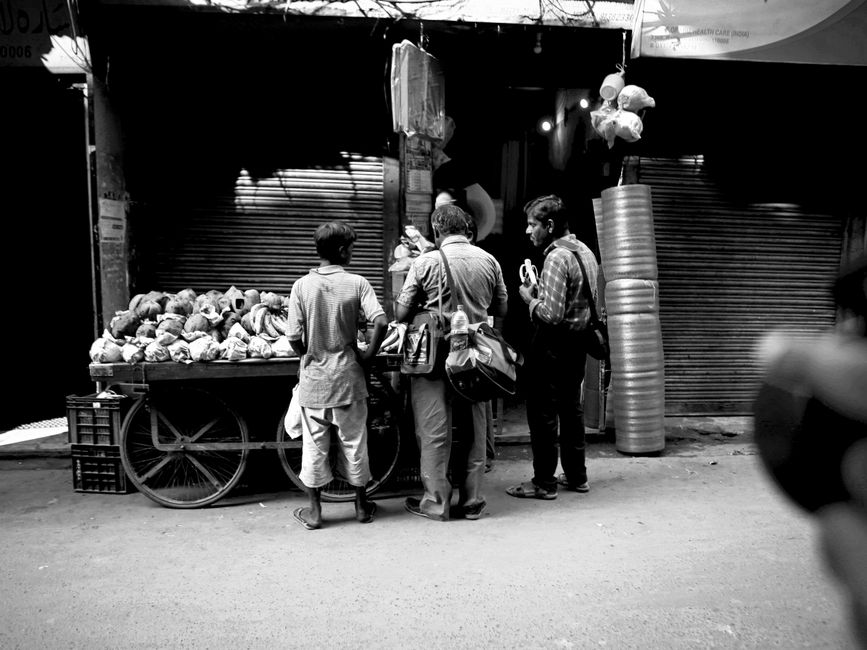
Food prices tell an even more immediate story. India imports roughly 20% of its edible oils and significant quantities of pulses. Recent trade restrictions in key supplying nations have pushed mustard oil prices up 15-20% in Delhi markets compared to mid-2025. Visit any sabzi mandi near ITO or the wholesale market in Azadpur, and vendors will confirm: sourcing costs have become unpredictable.
Fashion and apparel—huge retail categories for Delhi shoppers—face similar pressures. Cotton sourced from India itself, but manufactured in Vietnam or Bangladesh, now travels circuitous routes due to geopolitical complications. This extends lead times and margins at stores across Khan Market and Saket.
The practical implication? Prices for imported goods and globally-sourced products are unlikely to fall soon. Supply chains that took decades to build are being rewired, and the adjustment period hits consumers first. For average Delhiites earning between ₹40,000-₹100,000 monthly, discretionary spending on imported items will likely shrink further.
Understanding this isn't about becoming a trade economist. It's about recognising why your grocery bills feel heavier and why that laptop purchase you've been postponing keeps getting more expensive. Global trade fragmentation is no longer a distant concern—it's a factor in your household budget every single day.
This article was compiled by AI from the sources linked above and screened before publishing. See our editorial standards.
How does this story make you feel?
Spread the word
About this article
Published by The Daily Delhi
Daily brief
Free, in your inbox before 7am. Weekdays.
More in Business