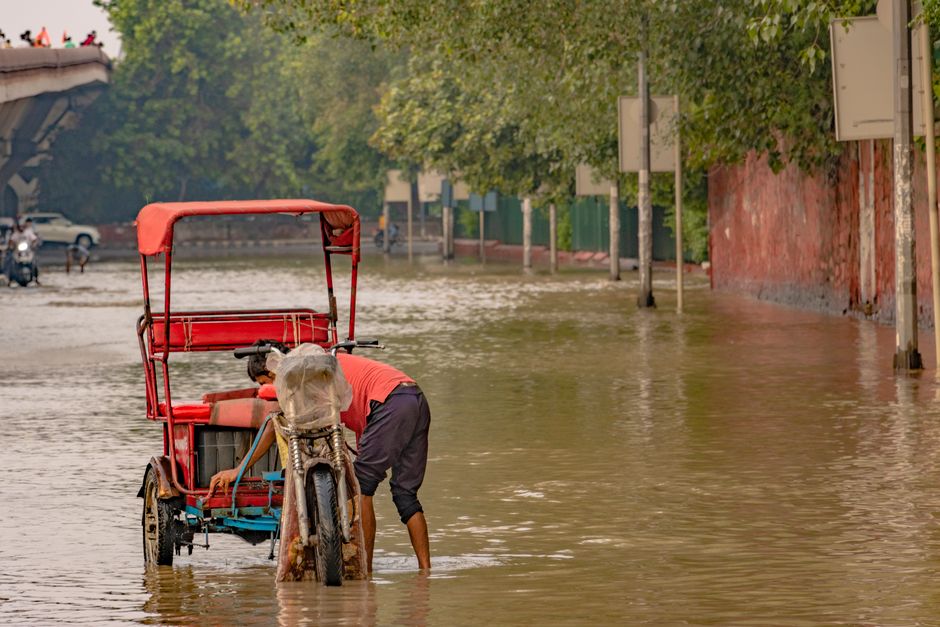
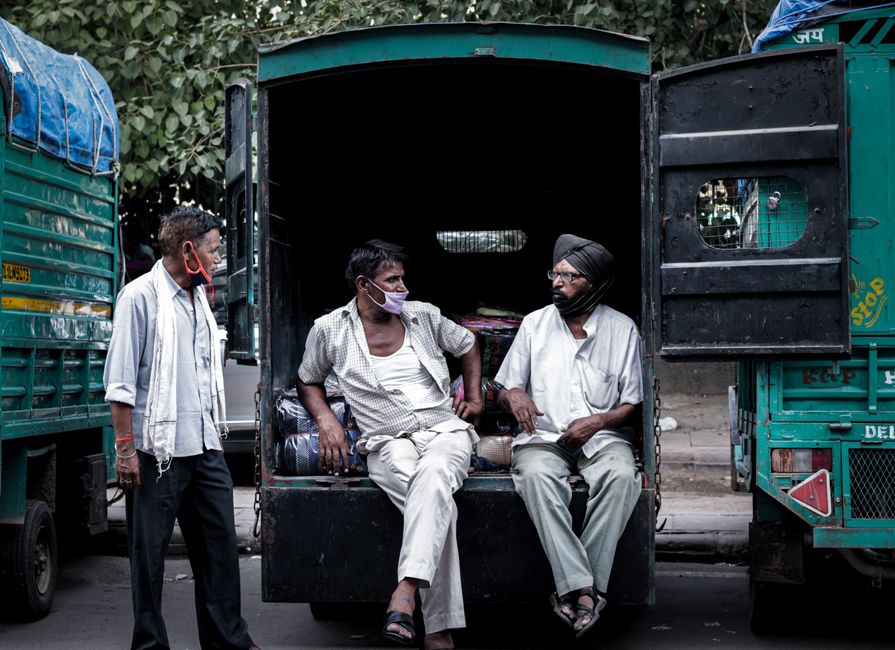
Walk through Chandni Chowk on any weekday morning and you'll spot the real revolution happening beneath the gaze of the big logistics players. Among the warren of narrow lanes, young entrepreneurs are operating sleek micro-fulfillment hubs, coordinating cycle couriers and e-scooters to solve what Amazon and Flipkart struggle with most: getting parcels to customers in Delhi's congested retail districts within hours, not days.
Rajesh Verma, who runs a small courier collective operating from a 400-square-foot office near Fatehpuri Mosque, exemplifies this emerging opportunity. His network of 15 delivery partners last year handled 8,000 parcels monthly; this June, that figure hit 12,000. "The big companies optimize for volume and pan-India reach," he explains. "We optimized for speed within 3-kilometre zones." His model charges merchants 15-25 rupees per delivery—undercutting traditional logistics by 30 percent.
The tailwinds are real. Delhi's e-commerce penetration grew 23 percent year-on-year through 2025, according to industry tracking, with particularly explosive growth in hyperlocal categories: groceries, medicines, and restaurant deliveries. Yet major logistics firms struggle with Delhi's traffic, narrow lanes in south Delhi's Lajpat Nagar and east Delhi's Preet Vihar, and complex municipal restrictions.
What's emerging is a two-tier system. While large operators handle cross-city and interstate movement, micro-entrepreneurs now dominate the final 2-5 kilometres—the most expensive leg of delivery. Several operators based in Saket and Dwarka report margins improving to 18-22 percent, up from 8-12 percent two years ago, as they've scaled tech-enabled dispatch systems and built recurring relationships with e-commerce vendors.
Not every operator succeeds. Many underestimated vehicle maintenance costs and traffic unpredictability. But those who expanded methodically—like the cluster of operators around Karol Bagh who coordinate shared vehicle routes—are consolidating market share. One collective reports handling deliveries for over 40 small-to-medium online retailers.
The window may not stay open forever. Major logistics firms are watching closely, and some have already launched micro-mobility divisions. But entrepreneurs with local knowledge, established relationships in Noida and Ghaziabad's adjacent commercial zones, and nimble enough to serve niche categories like artisanal goods and specialty foods, see 2026-2028 as the golden years to scale.
For Delhi's business community, the lesson is stark: hyperlocal logistics is no longer a gap—it's becoming a recognizable market segment worth tens of millions in annual revenue, and early movers are already proving the model works.
This article was compiled by AI from the sources linked above and screened before publishing. See our editorial standards.