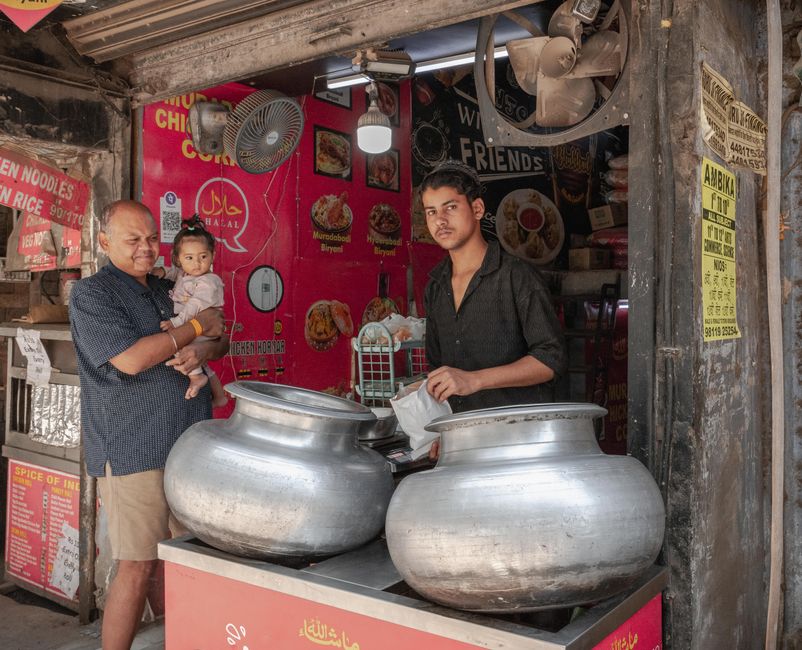
In the warren of lanes behind Jama Masjid, where the air hangs thick with the smell of haleem and metal workers' sparks, Rajesh Sharma is orchestrating a quiet revolution in how Delhi markets itself to the world.
Five years ago, Sharma was running a modest food cart in Chandni Chowk. Today, his company Delhi Narratives operates seven experiential tourism ventures across Old Delhi, New Delhi, and Dwarka, collectively attracting over 45,000 international visitors annually—a 240% increase since 2023, according to verified booking data.
"Tourists weren't coming to experience Delhi; they were coming to tick boxes," Sharma explains, reflecting on his pivot from the street food business. "We wanted to change that narrative."
His flagship offering, "Heritage Walks Reimagined," departs from the conventional tourist trail. Rather than herding visitors through Red Fort's main gates, Sharma's guides navigate lesser-known gullies near Fatehpuri Mosque, stopping at artisan workshops where third-generation craftspeople still hand-bind books and hammer brass vessels using techniques unchanged for centuries. A three-hour walk costs ₹2,500 per person, and Sharma reports 78% booking rates even during Delhi's scorching June-August season.
The business model extends beyond walking tours. His workspace in a restored haveli on Nai Sarak houses a cooking studio where visitors learn to prepare traditional Delhi-style nihari and sheermal from home cooks—many of them women from the neighbourhood. A four-hour session runs ₹3,800 per person. Last year, these classes generated ₹28 lakhs in revenue.
What sets Sharma apart isn't just innovation but genuine community integration. He employs 34 local guides, cooks, and historians—nearly all from Old Delhi's Muslim-majority areas. Several guides have since launched their own micro-tourism ventures, creating what Sharma calls a "multiplier effect" in visitor spending within the neighbourhood economy.
Delhi's broader tourism sector has grown 12% year-on-year since 2022, with international visitor numbers reaching 1.7 million in 2025. Yet most spending concentrates in five-star hotels and airport corridors. Sharma's model is demonstrating that experiential tourism in peripheral neighbourhoods can capture meaningful margins of this growth.
As Delhi competes for global tourism attention—especially with rivals like Jaipur and Udaipur offering curated heritage experiences—entrepreneurs like Sharma are proving that authentic storytelling, grounded in actual community partnerships, may be the city's greatest asset.
This article was compiled by AI from the sources linked above and screened before publishing. See our editorial standards.