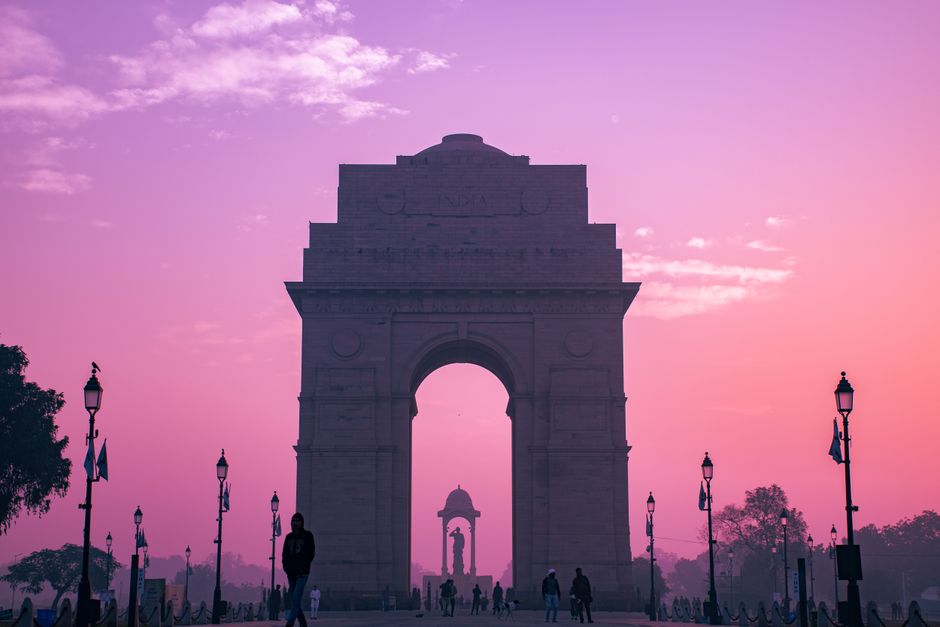
Delhi's tourism sector is undergoing a quiet transformation, driven not by sprawling hotel chains but by independent entrepreneurs who understand that modern travellers crave authenticity. One such figure is reshaping how visitors experience the capital, moving beyond the predictable circuit of Red Fort and India Gate to uncover the city's layered history and hidden neighbourhoods.
The venture, rooted in South Delhi's heritage-rich Mehrauli zone, has built its reputation on curated experiences that connect tourists to local communities and forgotten architectural gems. Rather than traditional hotel accommodation, the model centres on intimate stays in restored havelis and homestays, paired with guided explorations led by local historians and artisans. Early data suggests the approach is working: visitor numbers through the platform have grown 140% year-on-year since 2024, with average stay duration climbing from 2.3 days to 4.8 days—a significant metric for the broader economy.
This shift reflects broader changes in global tourism. Industry observers note that experiential travel now commands premium pricing, with Delhi seeing increased demand from European and North American visitors willing to pay ₹8,000–₹12,000 per night for curated stays compared to ₹5,000–₹7,000 for standard hotel rooms. The entrepreneur's model taps directly into this appetite, offering walking tours through Chandni Chowk's spice markets, cooking classes in residential kitchens across Old Delhi, and textile workshops in Karol Bagh.
The impact ripples through local economies. Partnered homestay owners in neighbourhoods like Malviya Nagar and Nizam-ud-Din report income increases of 35–45% annually. Local guides—many trained through the initiative's own academy—now earn sustainable livelihoods, while artisans gain direct market access to international buyers. The Delhi Tourism Department has taken notice, citing the model as a case study in sustainable visitor economy development.
Challenges remain. Scaling operations while maintaining quality, navigating regulatory frameworks, and managing seasonal fluctuations typical of Delhi's tourism calendar all test the business's resilience. The June monsoon season, historically slow, now sees targeted promotions centred on heritage photography and spiritual explorations at Jama Masjid and Lodhi Gardens.
Yet the broader signal is clear: Delhi's visitor economy is maturing beyond volume metrics. Entrepreneurs like this are proving that the city's greatest asset isn't its monuments alone, but the relationships and stories connecting them—and that globally conscious travellers will increasingly choose experiences built on that foundation.
This article was compiled by AI from the sources linked above and screened before publishing. See our editorial standards.