Delhi's Tourism Rebound Masks Shift in Visitor Patterns—Here's What Businesses Must Know
Post-monsoon recovery is underway, but shifting demographics and spending habits are reshaping the capital's visitor economy.
Post-monsoon recovery is underway, but shifting demographics and spending habits are reshaping the capital's visitor economy.
Delhi's tourism sector is entering a critical inflection point. After a challenging first half of 2026, hotel occupancy rates across the city are climbing steadily, yet the composition of visitors—and how they spend—tells a markedly different story than pre-pandemic patterns.
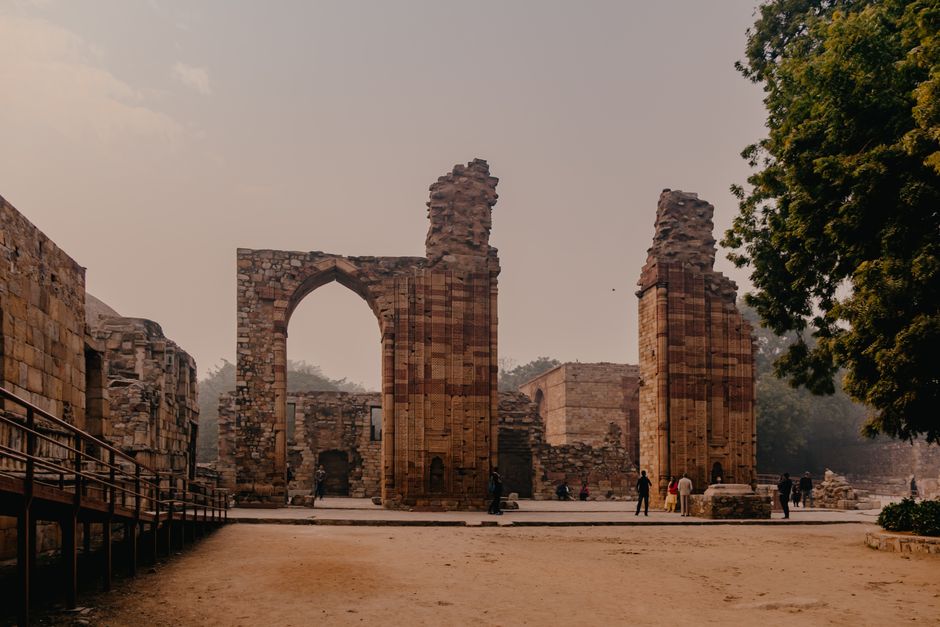
Data from the Delhi Tourism Board suggests that international arrivals have rebounded to approximately 70% of 2019 levels, but the recovery is uneven. While heritage-focused tourism around Chandni Chowk and the Red Fort remains robust, with footfall climbing 12% quarter-on-quarter, leisure travel to South Delhi's upscale dining and retail districts has plateaued. Mid-range hotel operators along Karol Bagh and Paharganj report occupancy rates hovering at 65-70%, compared to the 80%+ that historically defined peak season.
The shift reflects two critical trends. First, budget tourism is accelerating. Budget hotel chains and homestays in neighbourhoods like Malviya Nagar and Greater Kailash are seeing stronger demand, with average nightly rates of ₹2,500-3,500 outperforming premium properties. Second, domestic tourism—particularly from tier-2 and tier-3 cities—now accounts for roughly 55% of Delhi's visitor economy, up from 40% five years ago. These visitors spend differently: less on luxury dining, more on street food experiences and cultural walking tours.
For hospitality and F&B operators, the implications are immediate. Restaurants and cafes along Khan Market and in Connaught Place are adjusting menus and pricing to capture the growing mid-market segment, while heritage tour operators are reporting unprecedented demand for experiential offerings—food walks in Old Delhi and craft workshops near Dilli Haat.
Technology adoption is becoming table stakes. Hotels integrating AI-driven booking systems and contactless services are capturing market share faster than competitors relying on traditional channels. Similarly, small tourism businesses leveraging Instagram and micro-influencer partnerships are seeing outsized returns.
The real wildcard remains air travel capacity. With domestic flight pricing volatile and international connectivity still recovering, visitor numbers remain capped. The Delhi Tourism Board estimates that normalisation in aviation could unlock another 15-20% growth within 12 months—but only for operators prepared to scale quickly.
Businesses should act now: invest in digital infrastructure, pivot product offerings toward experiential mid-market segments, and build supply chain resilience. The next six months will likely determine winners and losers in Delhi's reconfigured visitor economy.
This article was compiled by AI from the sources linked above and screened before publishing. See our editorial standards.
How does this story make you feel?
Spread the word
About this article
Published by The Daily Delhi
Daily brief
Free, in your inbox before 7am. Weekdays.
More in Business