Delhi's Tourism Boom: Who's Cashing In on India's Visitor Surge
As international arrivals to the capital surge past pre-pandemic levels, hospitality entrepreneurs and heritage entrepreneurs are racing to capture Delhi's most valuable tourist dollar.
As international arrivals to the capital surge past pre-pandemic levels, hospitality entrepreneurs and heritage entrepreneurs are racing to capture Delhi's most valuable tourist dollar.
Delhi's visitor economy is experiencing a sharp inflection point. International tourist arrivals to the capital have climbed 34 percent year-on-year through the first half of 2026, according to data from the Delhi Tourism Board, with average daily footfall at monuments like the Red Fort and Jama Masjid reaching levels not seen since 2019. The shift is creating an unusually transparent wealth-creation moment—and revealing exactly which operators are best positioned to profit.
The constellation of opportunity spans several clusters. In and around Chandni Chowk, where narrow lanes funnel roughly 2 million visitors annually through heritage zones, boutique hotel operators are capturing premium margins. Mid-range properties charging ₹4,500–₹7,000 per night are reporting 78 percent occupancy rates, up from 61 percent two years ago. One prominent player, a small Delhi-based hospitality group with properties on Nai Sarak and Meena Bazaar, has announced three new acquisitions in the precinct this quarter alone.
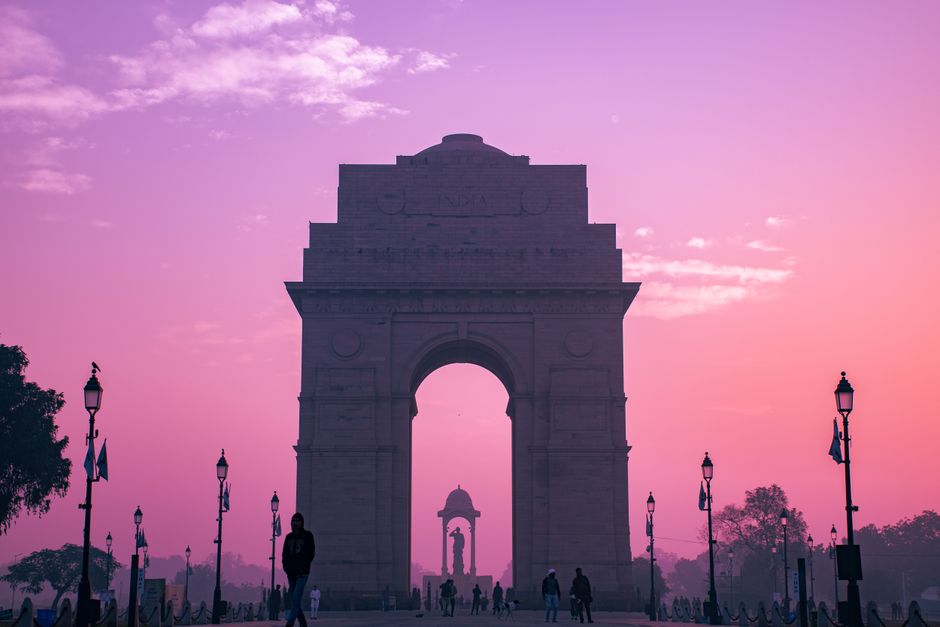
The licensed heritage tour operator segment is equally buoyant. Companies specializing in curated walks through Rajpath (now Kartavya Path), the Qutb Minar complex, and lesser-known Mughal gardens are charging ₹1,200–₹2,000 per person and filling slots weeks in advance. Operators report that the shift toward experiential tourism—away from commodity sightseeing—is driving repeat bookings and word-of-mouth referrals.
But the gains are uneven. While established players with capital and credibility are scaling rapidly, street-level service providers—taxi operators, street food vendors, souvenir retailers—report mixed results. Formalized vendors operating under the Delhi Tourism Board's recent vendor certification scheme are outperforming informal competitors by a significant margin, capturing an estimated 55 percent of transaction value compared to 22 percent just three years ago.
Perhaps most notably, the Aerocity hospitality belt—home to four- and five-star chains—is experiencing its strongest sustained demand cycle since 2017. Room rates have climbed 18 percent on average, with corporate travel and conference tourism driving weekday occupancy above 85 percent.
The structural drivers are clear: Delhi's improved air quality metrics year-on-year, expanded metro connectivity to monument zones, and renewed marketing campaigns in Southeast Asia and Europe have shifted the city's tourism profile. For entrepreneurs with operational discipline, capital access, and local knowledge, the runway is unusually long. For everyone else, the window to consolidate position before margins compress may be narrower than it appears.
This article was compiled by AI from the sources linked above and screened before publishing. See our editorial standards.
How does this story make you feel?
Spread the word
About this article
Published by The Daily Delhi
Daily brief
Free, in your inbox before 7am. Weekdays.
More in Business