Delhi's Job Market Faces Headwinds as Growth Stalls Amid Global Uncertainty
Hiring freezes, sectoral shifts, and geopolitical tensions are testing the capital's traditionally resilient employment landscape.
Hiring freezes, sectoral shifts, and geopolitical tensions are testing the capital's traditionally resilient employment landscape.
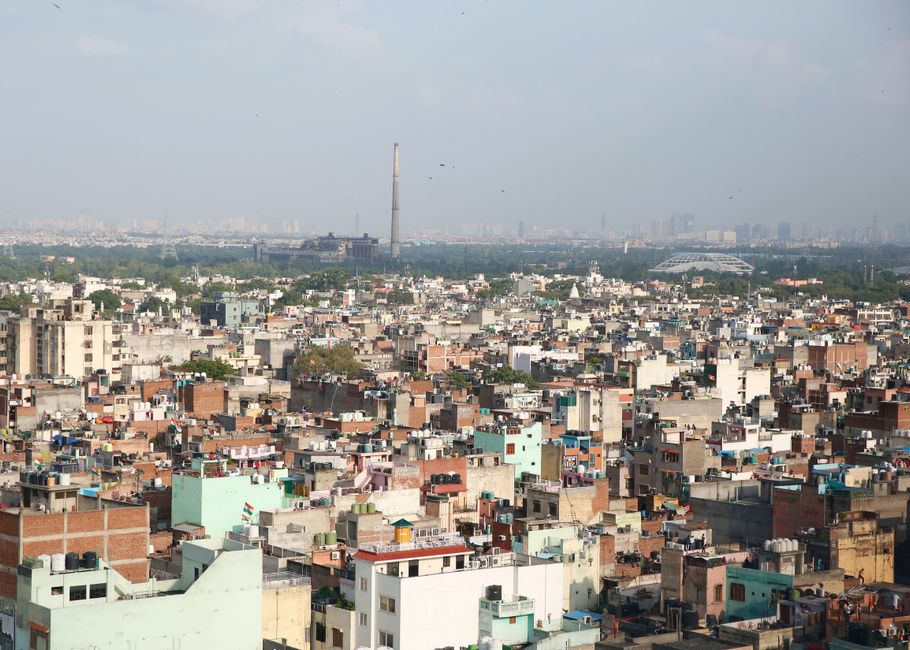
Delhi's job market is experiencing its most challenging year since the post-pandemic recovery, with hiring activity slowing sharply across major sectors and employers signalling caution as global uncertainties ripple through the economy. Data from recruitment firms tracking the National Capital Region suggest job placements have contracted by 12-15 per cent in the first half of 2026, compared to the same period last year, marking a significant departure from the steady growth that characterised recent years.
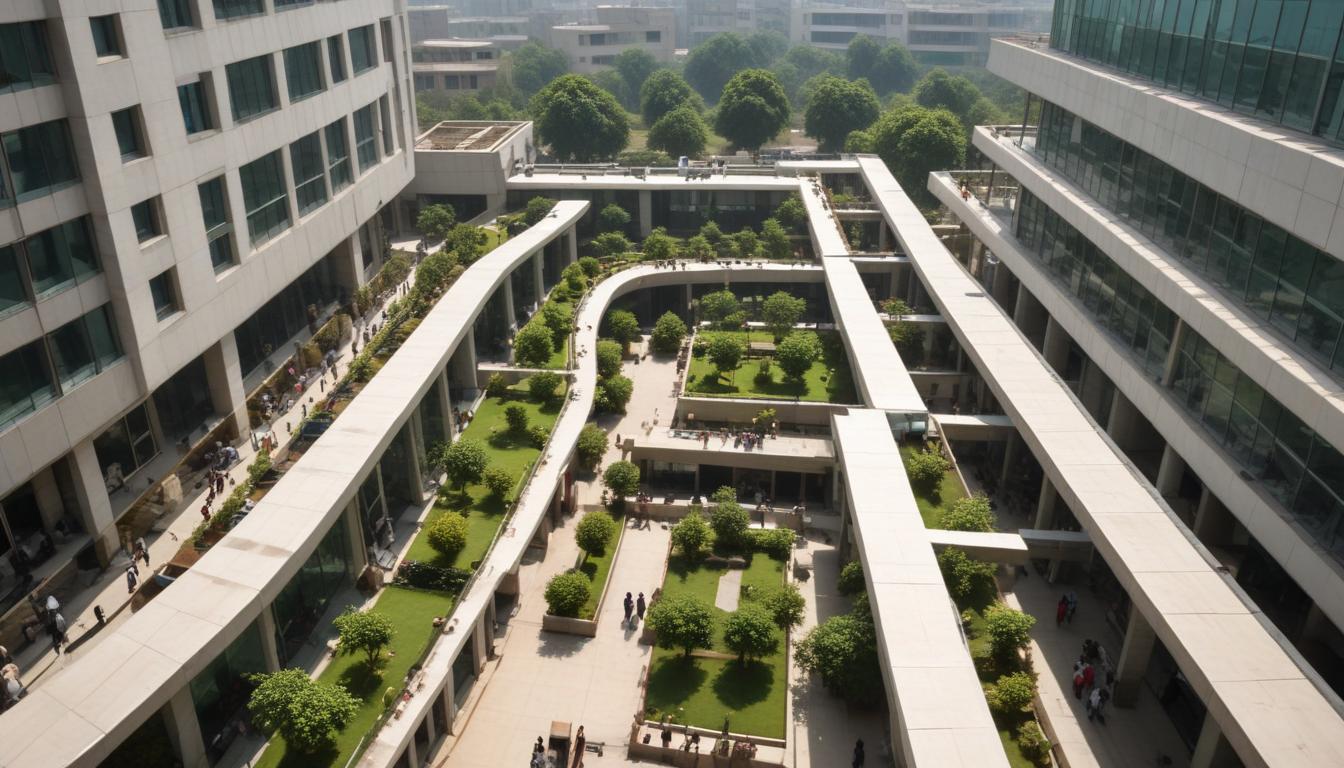
The IT and business services sector—historically the engine of Delhi's employment growth—has been particularly affected. Major technology parks in Gurugram's Cyber City and Noida's IT corridors are reporting hiring slowdowns as multinational corporations implement cost-cutting measures in response to volatile currency markets and weakening export demand. Mid-level IT professionals with five to eight years of experience, once highly sought-after, now face longer job searches. Salary negotiations have stalled, with employers increasingly offering packages flat to marginally higher than 2025 levels, a stark contrast to the 8-10 per cent annual increases seen between 2023 and 2025.
The financial services sector, concentrated around Bandra Kurla Complex's Delhi equivalents in the Connaught Place and Greater Kailash business districts, has also tightened. Banking and insurance recruiters report reduced headcount approvals, particularly in middle and back-office roles. One major development is the accelerated shift toward automation; several banks operating out of offices along Kasturba Nagar have consolidated operations, reducing their Delhi footprint.
Real estate and construction employment, which absorbed thousands annually, faces its own headwinds. While residential projects continue, commercial real estate demand—which drives job creation in property management and corporate leasing—has weakened. Offices in the Aerocity and Safdarjung Enclave areas report lower occupancy growth than anticipated.
Retail and hospitality around Delhi's shopping districts—including Greater Kailash and the Khan Market area—are showing modest recovery but remain cautious. Consumer spending patterns have shifted, with discretionary spending under pressure.
The talent market itself is fractured. Entry-level candidates find fewer opportunities, while experienced professionals face unexpected redundancies. Government job aspirations have intensified, with UPSC and SSC examination centres reporting record registrations as job seekers hedge against private sector uncertainty.
Observers suggest that while Delhi's economic fundamentals remain sound, the combination of global geopolitical tensions, domestic inflation concerns, and corporate caution has created an extended period of hiring restraint—likely to persist through the remainder of 2026.
This article was compiled by AI from the sources linked above and screened before publishing. See our editorial standards.
How does this story make you feel?
Spread the word
About this article
Published by The Daily Delhi
Daily brief
Free, in your inbox before 7am. Weekdays.
More in Business