Delhi's D-2B Boom: How Young Entrepreneurs Are Rewriting the City's Talent Playbook
As micro-enterprises flourish across Karol Bagh and Nehru Place, established firms scramble to compete for skilled workers in a reshuffled job market.
As micro-enterprises flourish across Karol Bagh and Nehru Place, established firms scramble to compete for skilled workers in a reshuffled job market.
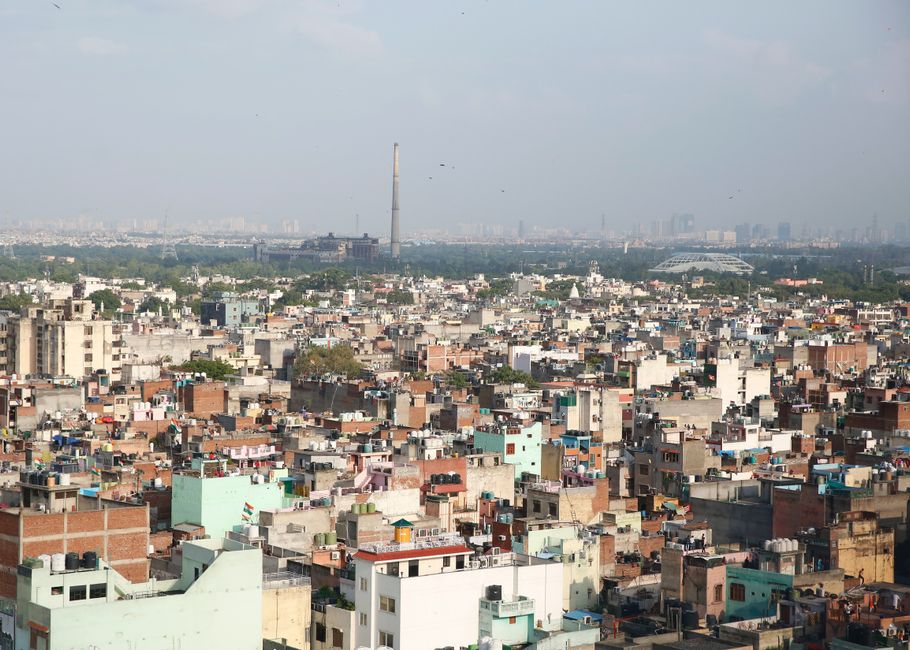
Walk through the narrow lanes of Karol Bagh on any weekday morning, and you'll witness a quiet revolution. Cramped second-floor offices have transformed into buzzing startup hubs, where freelance graphic designers, content creators, and software developers cluster around shared desk spaces. What was once a traditional wholesale market is fast becoming Delhi's unexpected entrepreneurial heartland—and the shift is fundamentally altering how the city's talent market operates.
According to data from the Delhi Chamber of Commerce and Industry, micro and small enterprises (those with fewer than 10 employees) have grown 34% over the past 18 months. Many are concentrated in high-footfall zones like Connaught Place, Lajpat Nagar, and Nehru Place's IT corridors. These aren't glamorous startup unicorns; they're practical businesses—digital marketing agencies charging ₹50,000-₹2 lakh monthly retainers, niche e-commerce operations, and B2B service providers.
The labour market impact is significant. These small operators are aggressively recruiting mid-level talent—particularly young professionals aged 25-35 with 3-7 years of experience. Unlike the rigid hierarchies of larger multinational corporations, they offer flexibility, faster promotions, and equity stakes. A project manager at a Karol Bagh-based marketing firm earning ₹10 lakh annually might acquire 1-2% ownership within two years—something unthinkable in traditional corporate Delhi.
"We're losing mid-career talent to these startups," admits a senior HR director at a major Delhi-based conglomerate, speaking anonymously. The attrition isn't dramatic—maybe 8-12% annually—but it's concentrated among their most capable employees. Larger firms are responding by increasing flexible working arrangements and launching internal entrepreneurship schemes.
Real estate agents report rising demand for 800-1200 sq ft office spaces in Primus Plaza, Cyber Hub extensions, and emerging micro-office hubs in South Delhi. Monthly rents hover around ₹25,000-₹40,000, compared to ₹100,000+ for comparable space in established commercial districts.
The ripple effects extend beyond employment. Smaller businesses create demand for specialized support services—accountants, legal consultants, HR consultants—spawning a secondary job market. Co-working spaces like The Address and IKS Health have seen 41% membership growth since 2024.
Yet challenges loom. Access to credit remains difficult; banks hesitate to lend to ventures younger than three years. Regulatory compliance and GST compliance consume disproportionate resources. Still, Delhi's entrepreneurial surge suggests the city's talent ecosystem—long dominated by large corporations—is fragmenting into something more fluid, competitive, and unpredictable.
This article was compiled by AI from the sources linked above and screened before publishing. See our editorial standards.
How does this story make you feel?
Spread the word
About this article
Published by The Daily Delhi
Daily brief
Free, in your inbox before 7am. Weekdays.
More in Business