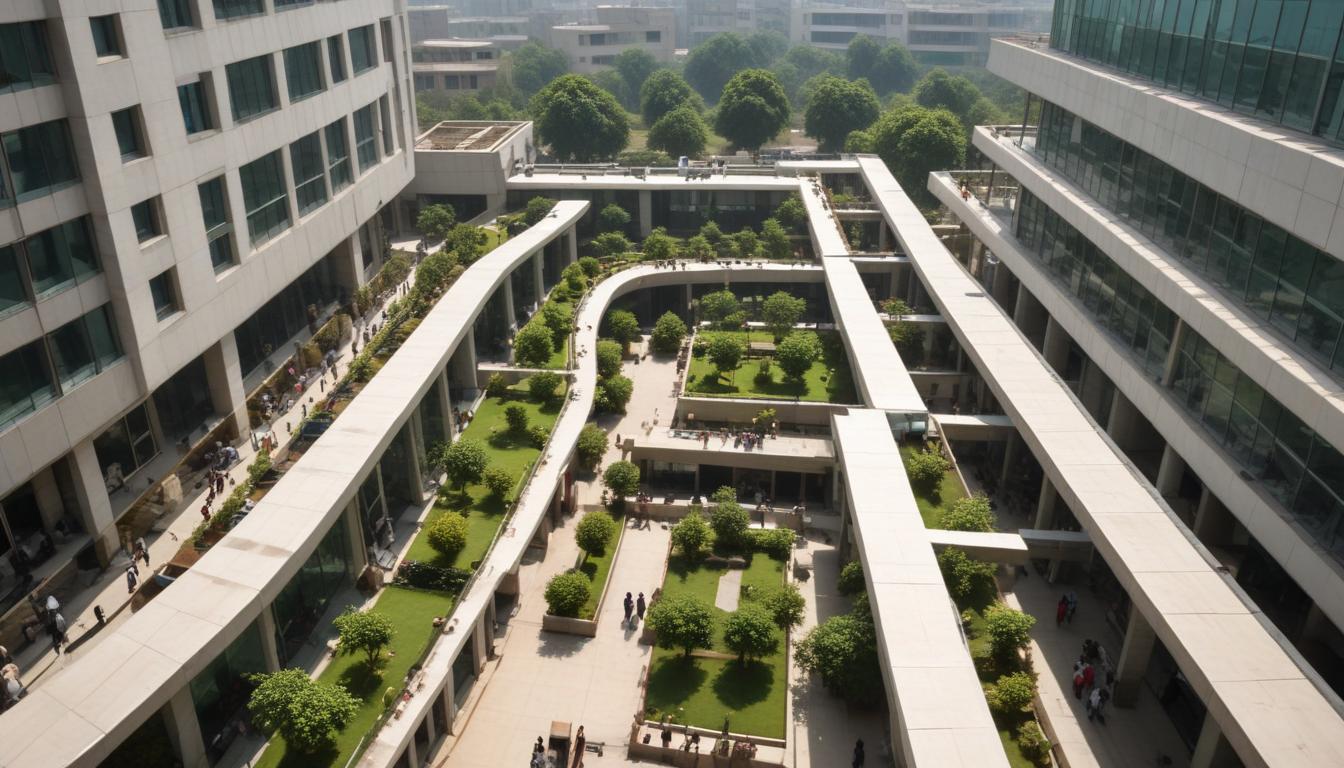
The gleaming co-working spaces of Okhla's industrial estate and the bustling startup hubs around Connaught Place tell a story Delhi's business establishment has been eager to promote: a thriving innovation ecosystem poised to rival India's established tech centres. Yet beneath the polished venture pitch decks and networking events, founders are confronting a sobering reality in 2026—one marked by tightening purse strings, skyrocketing real estate costs, and a steady exodus of top talent to better-funded opportunities elsewhere.
Data from regional venture tracking platforms shows Delhi-NCR startup funding has contracted by approximately 23 percent year-on-year, with average deal sizes shrinking from $2.8 million to $2.1 million. More troubling for ecosystem stakeholders is the capital's stagnant share of India's startup funding pool—hovering stubbornly at 12 percent compared to Bangalore's 34 percent, despite Delhi's superior infrastructure and talent density.
Office space presents an immediate crunch. Premium workspace in Sector 62, Noida—a popular satellite hub for Delhi-based founders—now commands ₹75-90 per square foot monthly, up 28 percent since 2023. Rental affordability, historically Delhi's advantage, has evaporated. This has forced bootstrapped teams to migrate to secondary cities or negotiate remote-first arrangements, fragmenting the physical networks that traditionally catalyze serendipitous partnerships and funding conversations.
The talent challenge cuts deeper. Engineering graduates from Delhi's premier institutions—IIT Delhi and Delhi University—increasingly accept roles at well-capitalized Bangalore or Hyderabad firms, enticed by better compensation packages and clearer exit opportunities. Startup job postings on major platforms show Delhi attracting 6.2 percent fewer qualified applicants than comparable openings in rival metros, according to analysis of recruitment databases.
Regulatory friction, while improving, remains uneven. The National Startup India portal has streamlined incorporation, yet founders cite persistent delays in obtaining municipal clearances for tech-focused spaces across South Delhi and East Delhi commercial zones—processes that routinely stretch beyond four months.
Ecosystem veterans argue Delhi's fragmentation mirrors its geography. Unlike Bangalore's concentrated startup corridor or Mumbai's financial district clustering, Delhi's entrepreneurial energy is dispersed across Gurgaon, Noida, and the capital's own scattered pockets. This geographical diffusion complicates investor due diligence and dampens word-of-mouth momentum.
Yet there remains cause for cautious optimism. A handful of Delhi-origin unicorns—now operating across multiple geographies—continue recruiting from the capital. Government infrastructure investments in Dwarka's tech parks and renewed focus on the startup ecosystem suggest recognition of the problem. Whether these interventions can reverse the current trajectory remains 2026's defining question for the city's innovation ambitions.
This article was compiled by AI from the sources linked above and screened before publishing. See our editorial standards.